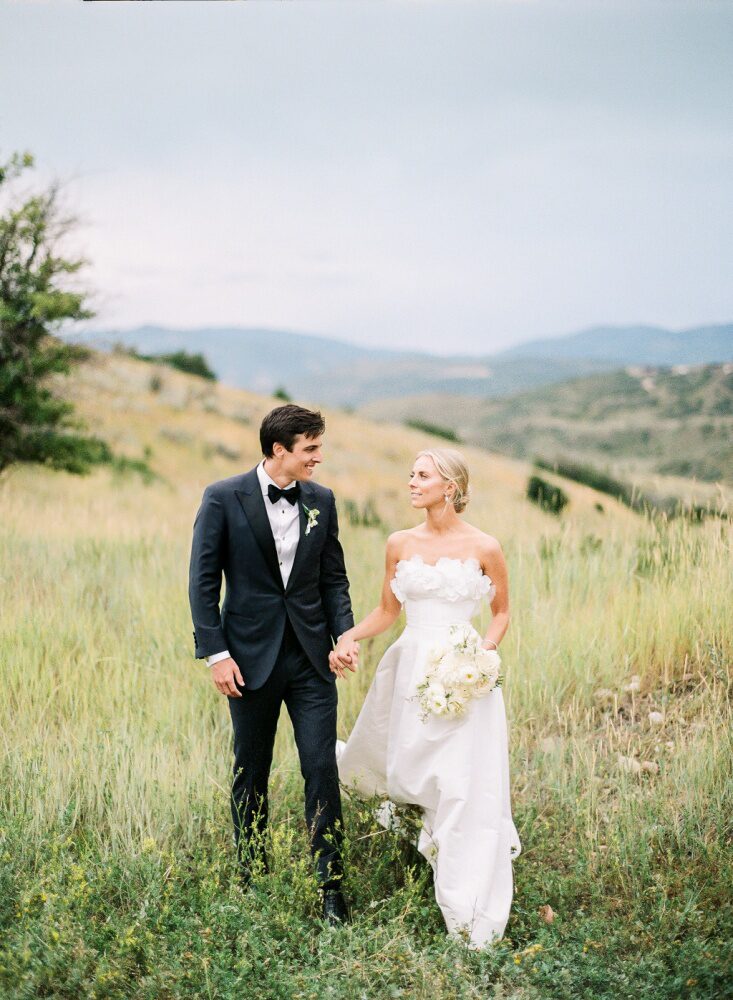
Wyoming offers expansive landscapes, shifting light, and a sense of quiet scale that appeals to couples seeking thoughtful, well-composed wedding imagery.
From mountain ranges and high plains to wide skies that change by the hour, the state presents both opportunity and responsibility when planning photography.
Capturing meaningful moments here requires preparation, clear communication, and an understanding of how the environment shapes visual outcomes.
This guide focuses on practical photography advice for couples planning weddings in Wyoming. It addresses location selection, lighting considerations, timing, and candid imagery, all with the goal of helping you achieve strong, intentional results.
Understanding the Wyoming Landscape and Its Impact on Photography
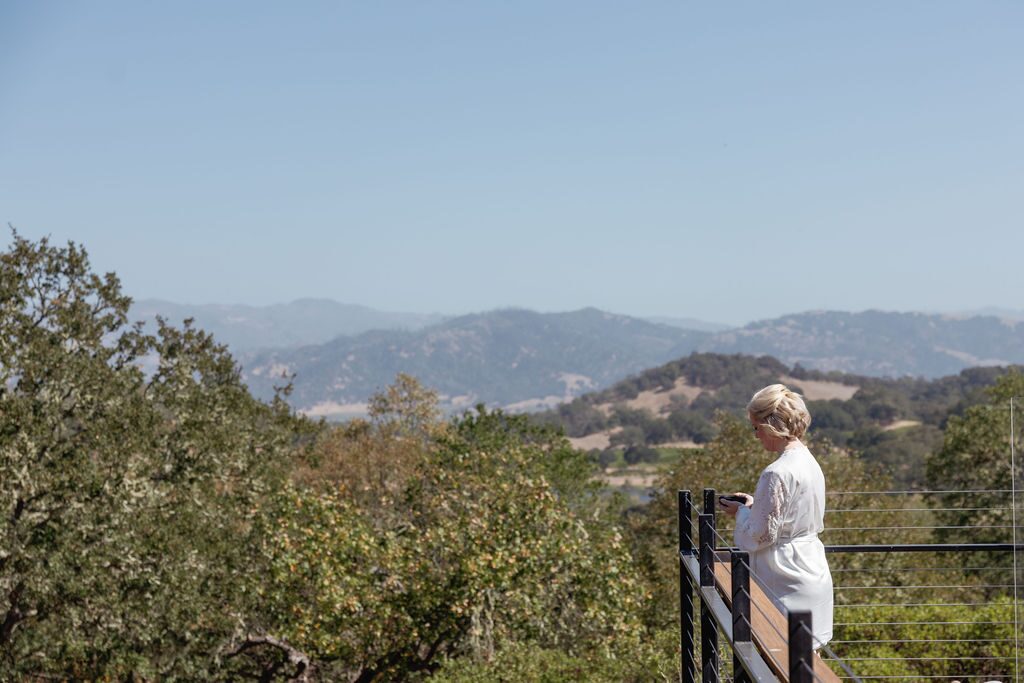
Wyoming’s geography is not uniform. Elevation, weather, and natural features vary significantly from region to region. These variables directly influence how wedding photos look and how smoothly photography unfolds on the day.
Mountain settings near Jackson Hole or the Tetons introduce dramatic backdrops but also bring fast-changing weather and limited access points.
Open plains and ranch properties offer long sightlines and softer horizons, which can support clean compositions and a sense of openness. Forested areas add texture and depth but may reduce available natural light.
Couples benefit from reviewing potential photography locations early and understanding how each environment affects framing, lighting, and movement. This is where a wedding consultant serving Wyoming can be especially helpful, offering insight into locations that photograph well while aligning with logistical realities.
Choosing Locations That Support Photography Goals
Location selection plays a central role in Wyoming wedding photography. Beyond aesthetics, the right location should support timing, accessibility, and lighting.
Prioritize Access and Flow
Some Wyoming locations require travel over unpaved roads or limited parking. While these settings can be visually compelling, they may restrict the time available for portraits or candid coverage.
Consider whether the location allows your photographer to move easily between the ceremony, portrait, and gathering areas without rushing.
Consider Orientation and Natural Light
A location’s orientation to the sun can affect photography throughout the day. West-facing mountain views may offer strong light in the late afternoon, but harsh shadows earlier on. Open meadows can provide even light but little shade.
Scouting locations at the same time of day as your event can help anticipate lighting conditions. Full-service wedding planning services that serve Wyoming often coordinate site visits and timing assessments to support photography outcomes.
Balance Scale With Intimacy
Wyoming landscapes can feel vast. While scale can be visually impressive, couples should consider how it translates in photos. A wide landscape may work well for establishing images, but closer settings may be better for portraits and candid interactions.
Selecting a location that offers both open views and more contained areas allows for variety without compromising focus.
Timing the Day for Optimal Photography Conditions
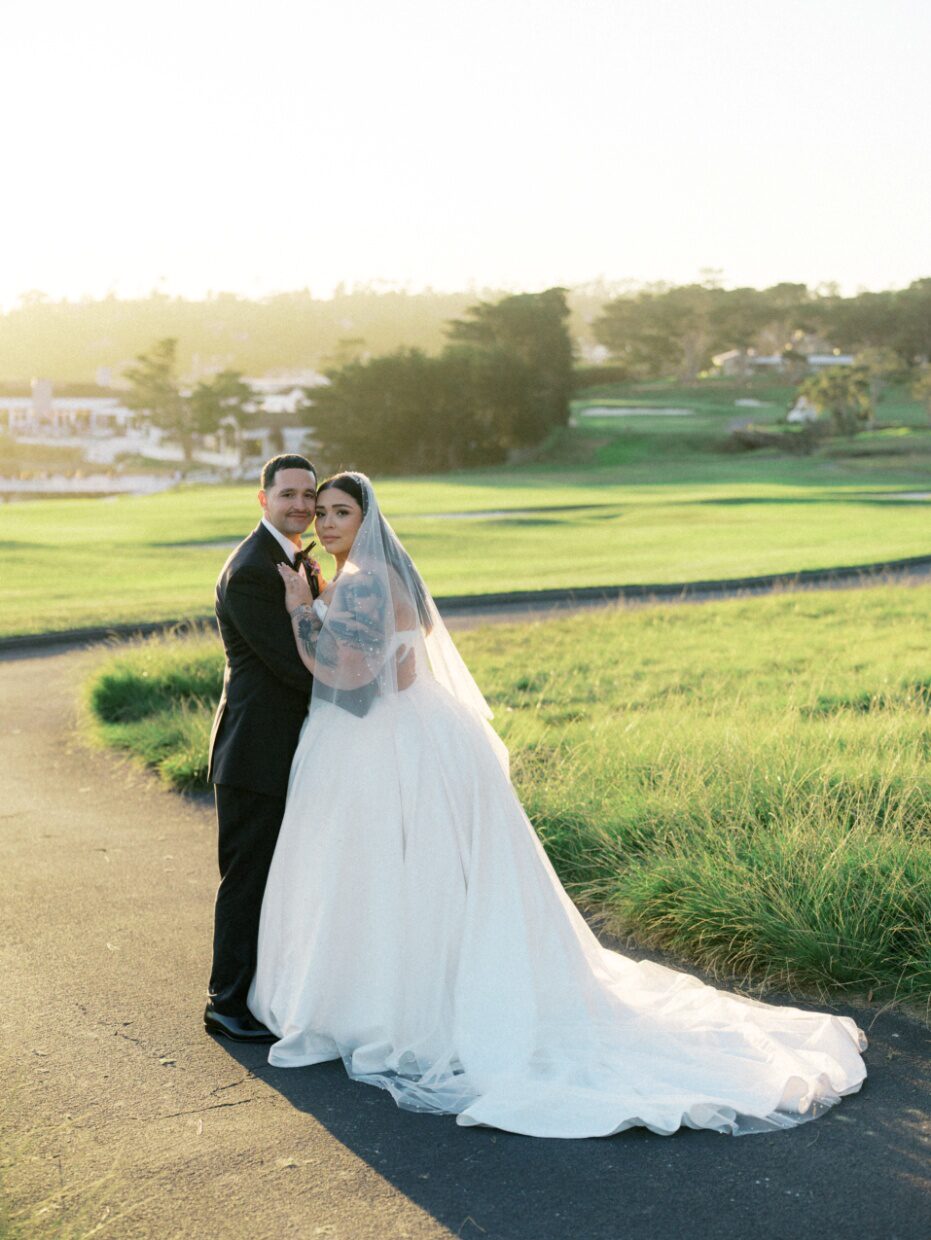
Timing is one of the most controllable factors in wedding photography, yet it is often underestimated. In Wyoming, where daylight hours and weather patterns vary by season, thoughtful scheduling is essential.
Plan Around Natural Light
Late afternoon and early evening typically provide softer, more directional light. In summer, this window may occur later than expected due to long daylight hours. In the fall, light fades more quickly, requiring earlier scheduling for portraits.
Work with your photographer and planning team to align key moments with favorable light. This may include adjusting ceremony timing or allocating portrait sessions earlier in the day.
Build in Flexibility
Weather shifts are common in Wyoming. Sudden cloud cover or wind can change conditions quickly. Building buffer time into the schedule allows your photography team to adapt without pressure.
Final Thoughts on Wyoming Wedding Photography
Wyoming wedding photography benefits from intentional planning, environmental awareness, and collaboration with experienced professionals. By selecting locations thoughtfully, aligning schedules with natural light, and allowing space for candid moments, couples can achieve images that reflect both setting and experience.
If you are planning a Wyoming wedding and value a structured, detail-driven approach that supports exceptional photography, consider working with a planning team that prioritizes preparation over reaction.
Emily Coyne Events provides comprehensive wedding planning services designed to support complex locations, thoughtful timelines, and strong collaboration with creative partners.
Our work allows couples to focus on the experience, knowing the foundation has been carefully built. Connect with us now to learn more about our wedding planning process.