The 1980s continue to influence contemporary fashion, music, and design, making the decade a compelling reference point for couples seeking a wedding that feels expressive, confident, and visually distinct. 1980s wedding inspiration offers structure and clarity rather than excess. It emphasizes intentional choices, strong silhouettes, and carefully selected details that translate well into modern luxury wedding planning.
This guide explores how couples can draw from the ’80s without leaning into novelty or nostalgia alone. From color palettes and fashion to music, stationery, and guest experience, each section outlines practical ways to incorporate retro influences with a polished, current sensibility.
The approach aligns with how experienced wedding consultants for weddings in Minneapolis and full-service wedding planning services that serve Seattle, like Emily Coyne Events, approach design: thoughtful, cohesive, and intentional.
Understanding 1980s Wedding Inspiration in a Modern Context
The 1980s were defined by confidence in design and a willingness to make clear, intentional visual statements. Weddings from this era embraced bold color palettes, structured silhouettes, statement accessories, and energetic music that encouraged guest participation. Rather than subtlety, the decade favored presence. When interpreted for today’s couples, these elements are not copied directly. Instead, they are refined, edited, and thoughtfully integrated into a broader planning framework.
Modern 1980s wedding inspiration focuses on balance. Strong design choices are paired with restraint, allowing key elements to stand out without overwhelming the overall aesthetic. Bold color, for example, is often introduced through select accents such as bridesmaid attire, florals, tablescape details, or stationery rather than saturating the entire event. This approach preserves the visual confidence of the decade while aligning with contemporary expectations for cohesion.
Fashion references are similarly streamlined. Structured silhouettes, statement sleeves, or defined waistlines may appear in modern bridal or guest attire, but fabrics, tailoring, and proportions are updated for comfort and wearability. Accessories draw inspiration from the era’s love of scale and geometry while remaining purposeful rather than excessive.
Music plays a strategic role as well. Instead of a nonstop retro playlist, couples often incorporate curated musical moments that nod to the decade at specific points during the celebration. This allows the influence to feel intentional rather than thematic.
Graphic stationery design is another area where 1980s inspiration translates naturally. Clean typography, high-contrast color combinations, and structured layouts reflect the era’s visual language while supporting clear communication and planning flow.
Overall, modern 1980s wedding inspiration is about selective reference. By making intentional styling decisions that support the overall planning strategy, couples can acknowledge the decade’s bold design sensibility while maintaining a polished, contemporary tone.
Color Palettes Inspired by the 1980s
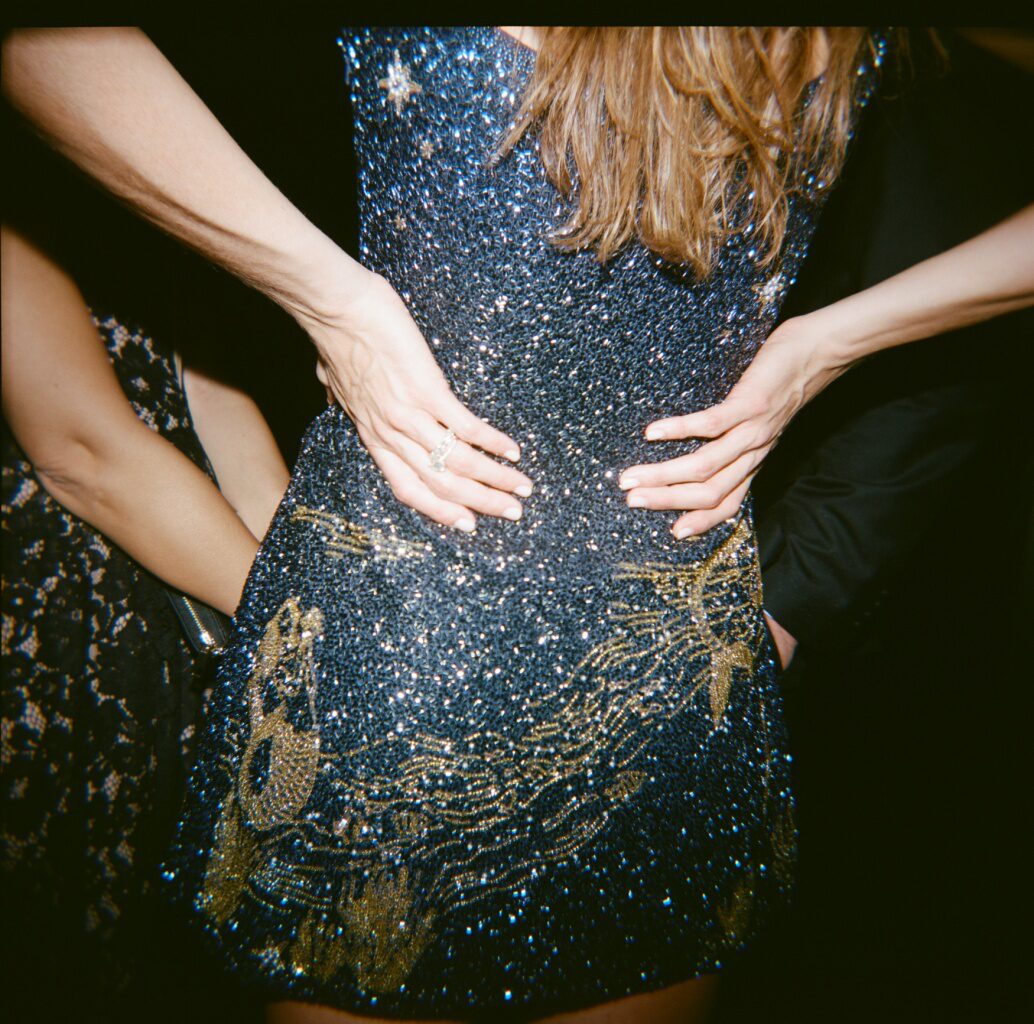
Color is often the most recognizable entry point into ’80s influence, but modern interpretations benefit from restraint and intention. Instead of relying on multiple high-contrast shades at once, contemporary planning focuses on controlled combinations that reference the decade while maintaining cohesion and visual clarity. The goal is to nod to the era without overwhelming the overall design.
Popular ’80s-inspired palettes continue to draw from bold, saturated hues, but they are typically softened through pairing and proportion. Fuchsia works best when balanced with charcoal or soft ivory, allowing the brightness to stand out without dominating the space. Sapphire blue paired with metallic silver accents introduces a sleek, graphic quality that feels distinctly retro while still refined. Emerald green combined with crisp white and black creates contrast with structure, offering depth without visual clutter. Blush layered with deeper berry tones provides a subtler interpretation of ’80s color trends, especially effective for couples who want a softer overall aesthetic.
These palettes translate well across multiple design elements, including floral arrangements, attire accents, tablescapes, stationery, and lighting. Consistency is key; repeating the same core colors throughout the event helps reinforce the theme without appearing repetitive. Experienced wedding planners often recommend limiting the number of dominant shades to two or three, using additional tones only as supporting accents. This approach ensures the palette feels deliberate, cohesive, and visually balanced while still capturing the confidence and expressiveness associated with 1980s design.
Floral Design with Structure and Intention
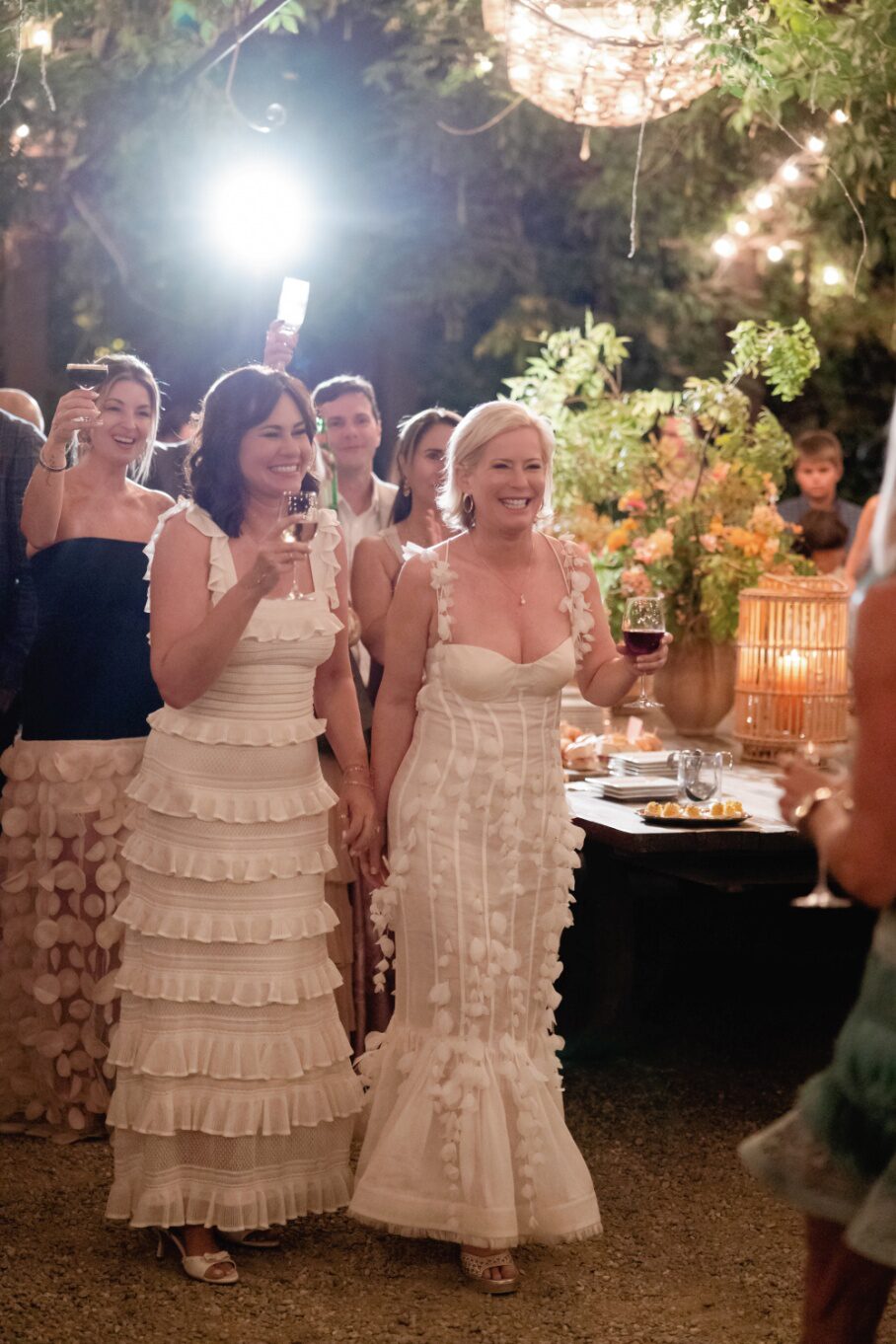
Floral arrangements in the 1980s favored volume and definition. Today, that translates into strong shapes and clean compositions rather than excess.
Modern adaptations include:
- Structured bouquets with defined outlines
- Floral installations that emphasize symmetry
- Centerpieces that prioritize height or architectural form
- Controlled use of greenery to frame arrangements rather than overwhelm them
Creative partners specializing in floral design often collaborate early with planners to ensure that scale and proportion support the venue and overall layout.
Bridal Fashion: Structured, Confident, and Contemporary
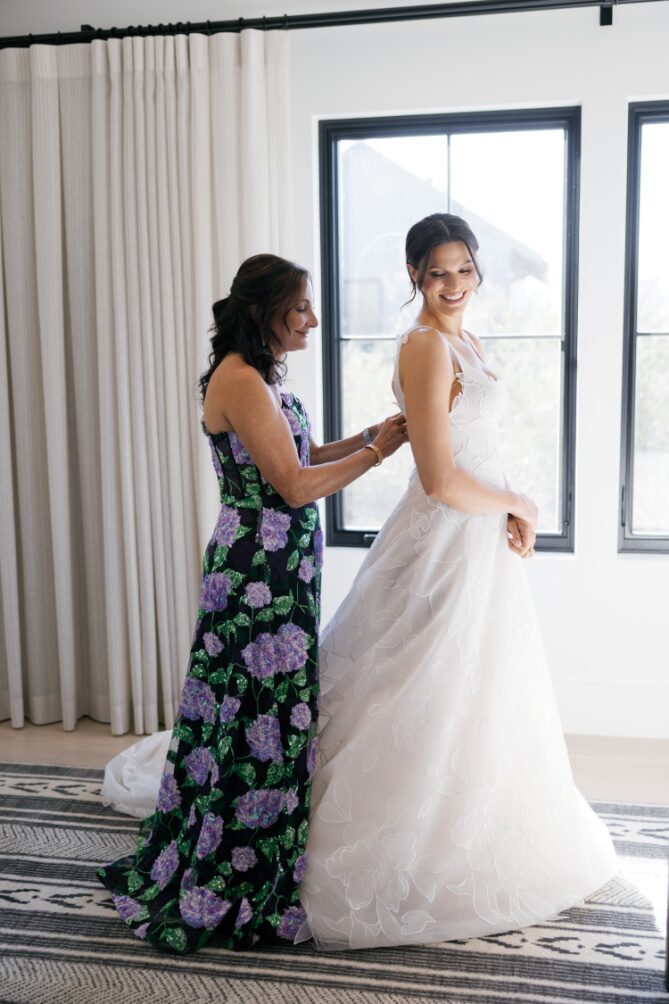
Bridal fashion in the 1980s was defined by structure. Strong shoulders, defined waists, and confident silhouettes set the tone. Modern couples can incorporate these references without replicating vintage gowns.
Contemporary interpretations may include:
- Subtle shoulder detailing rather than exaggerated volume
- Clean lines with intentional seam work
- Structured bodices paired with softer skirts
- Minimal embellishment to maintain clarity
Accessories such as gloves, headpieces, or veils can reflect the era when chosen carefully and styled with restraint.
Groom and Partner Attire with ’80s Influence
Partner attire during the 1980s often emphasized tailoring and presence. Modern interpretations focus on fit and texture rather than novelty.
Options include:
- Classic tuxedos with updated lapel shapes
- Midnight blue or charcoal suits instead of traditional black
- Satin or silk accents used sparingly
- Polished footwear with a traditional profile
Wedding planners frequently coordinate attire choices to ensure that both partners’ looks feel cohesive within the broader design framework.
Vintage Hairstyles Reimagined for Today
Hairstyles from the 1980s are instantly recognizable, but contemporary interpretations prioritize structure, control, and a refined finish. Rather than recreating exaggerated silhouettes, modern styling draws inspiration from the era while adapting techniques to suit today’s aesthetics, photography standards, and wearability expectations.
One of the most noticeable updates is the shift toward soft volume instead of extreme height. Lift is created through strategic layering, controlled blowouts, and subtle backcombing, allowing hair to maintain movement without appearing stiff or overworked. This approach ensures the style holds its shape while remaining comfortable throughout the event.
Defined curls with smooth framing are another popular reinterpretation. Loose, polished curls provide texture and dimension, while carefully shaped face-framing pieces soften the overall look. This balance keeps the hairstyle intentional and clean rather than overly stylized.
Half-up styles continue to reference 1980s trends in a more restrained way. These designs offer structure at the crown while allowing length and texture to remain visible, creating a versatile option that works well with both minimalist and statement accessories.
Makeup That Reflects the Era with Restraint
Makeup in the 1980s favored strong features. For modern weddings, this translates into emphasis rather than intensity.
Key considerations:
- Defined eyes paired with neutral skin tones
- Intentional lip color selected to complement the palette
- Balanced contouring that maintains a natural finish
- Avoiding trends that may appear dated in photography
Professional makeup artists often work closely with planners to test looks under event lighting and ensure consistency across the timeline.
Stationery and Save the Dates with Graphic Influence
Stationery design provides an opportunity to introduce 1980s wedding inspiration early in the planning process. Clean typography and graphic layouts reference the era while remaining refined.
Effective approaches include:
- Sans-serif typography with confident spacing
- Limited color palettes applied consistently
- Minimalist layouts with strong alignment
- Coordinated save the dates and formal invitations
These design choices establish expectations without relying on novelty.
Ceremony Styling with Clarity and Focus
Ceremony design rooted in 1980s inspiration benefits most from restraint and structure. While the decade is known for bold expression, successful ceremony styling relies on clear lines, intentional focal points, and balanced layouts that support a composed, professional presentation. Rather than layering excessive décor, planners often focus on controlled design decisions that guide attention naturally toward the couple and the ceremony proceedings.
Structured ceremony backdrops are a common choice, providing a defined visual anchor without dominating the space. These backdrops may incorporate geometric framing, architectural elements, or subtle textural contrasts that reflect the era’s design sensibilities without overwhelming the setting. Similarly, defined aisle markers create rhythm and consistency, offering visual direction without the distraction of scattered décor elements.
Thoughtful seating arrangements further reinforce clarity. Symmetry or intentional asymmetry can be used to frame the ceremony space, ensuring sightlines remain unobstructed and guest movement feels organized. Clean chair layouts also support photography and videography, allowing the ceremony to be documented without visual interference.
A neutral foundation is often essential, serving as a stabilizing base for carefully selected color accents. Rather than saturating the space, color is applied strategically—through linens, subtle floral groupings, or minimalist installations—to create emphasis where it matters most.
Wedding planners consistently note that this measured approach prevents visual overload, ensuring the ceremony experience remains focused, cohesive, and respectful of the moment itself.
Reception Design Rooted in Balance
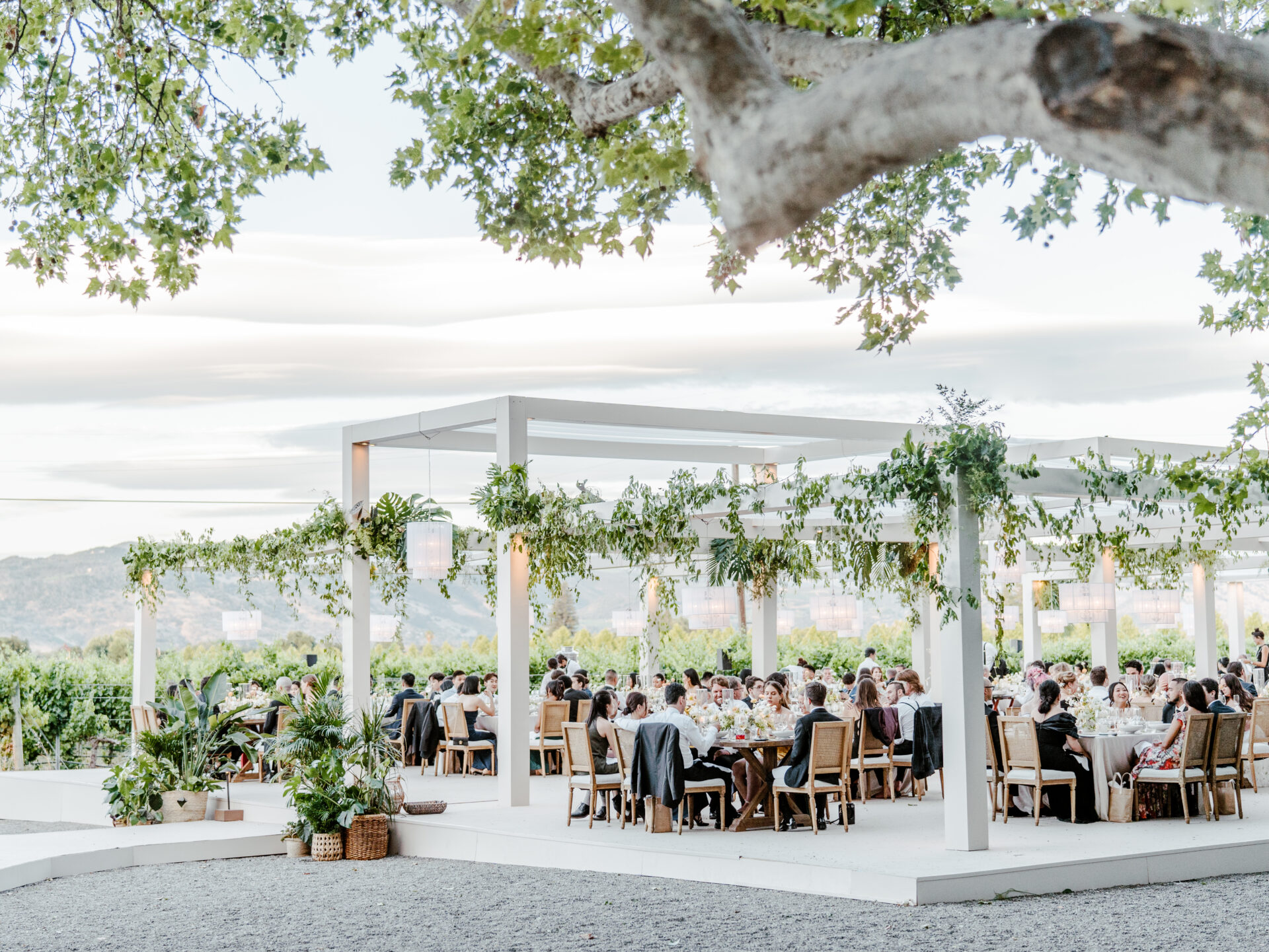
Reception spaces provide flexibility for incorporating ’80s-inspired elements while maintaining a modern atmosphere.
Considerations include:
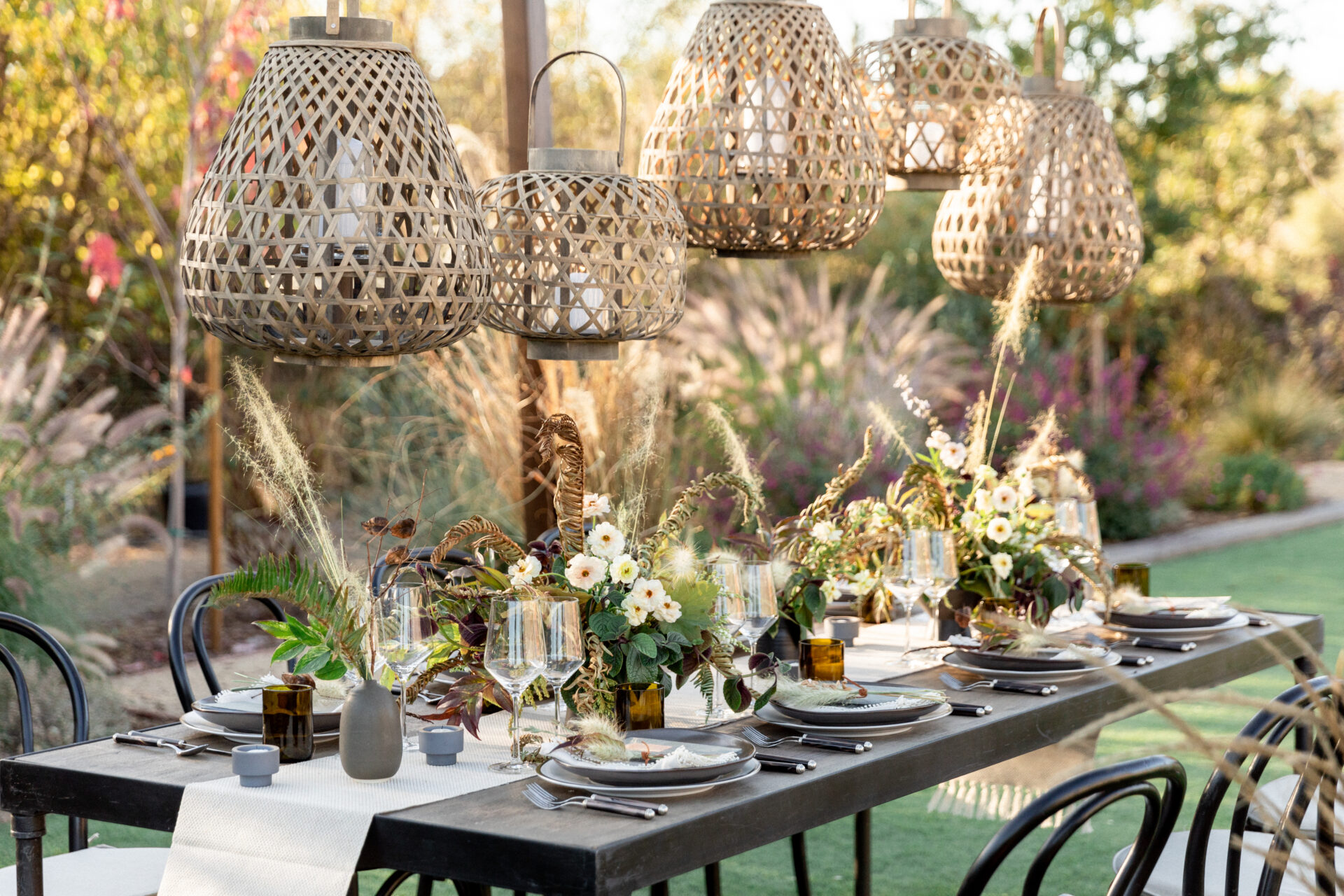
- Clean table layouts with defined centerpieces
- Controlled use of metallic finishes
- Lighting that supports both ambiance and photography
- Furniture selections that reflect structure and comfort
Creative partners collaborate to ensure that design elements remain consistent across the space.
Iconic Music and Sound Design
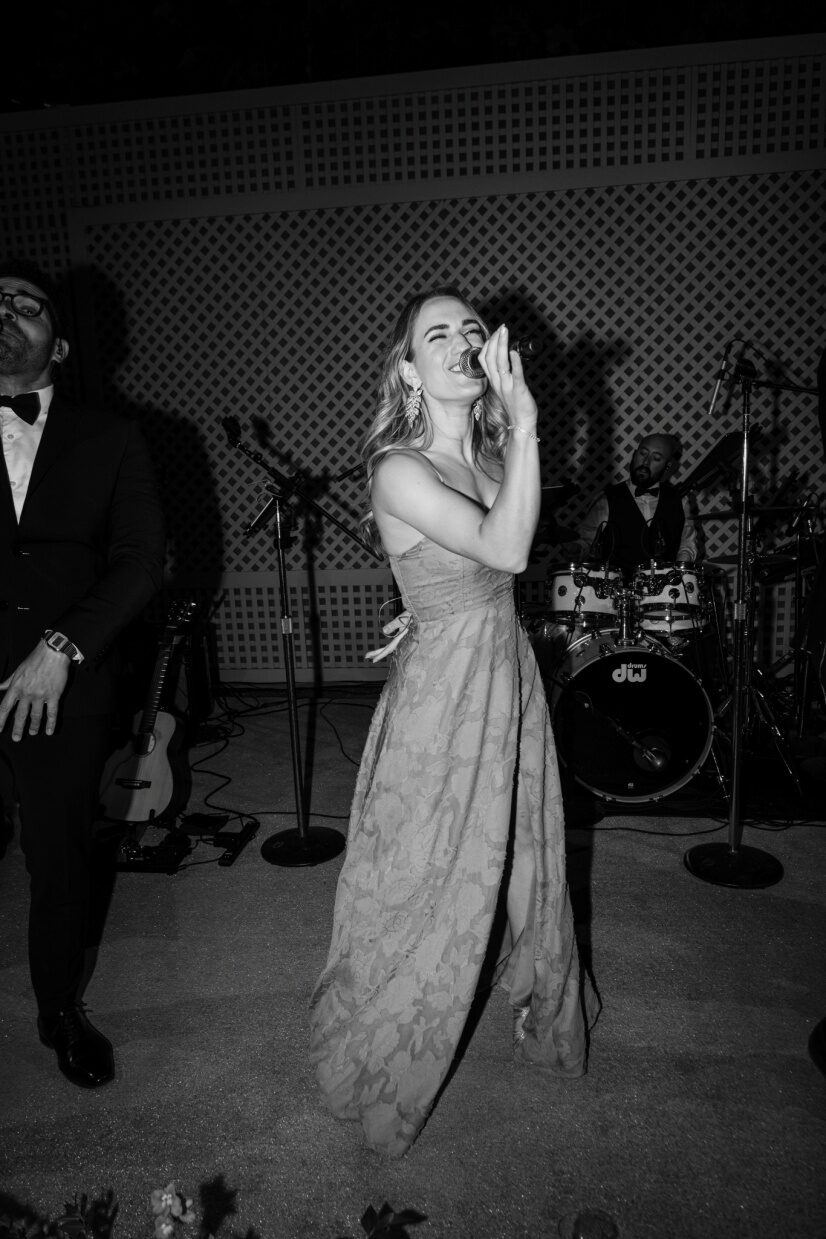
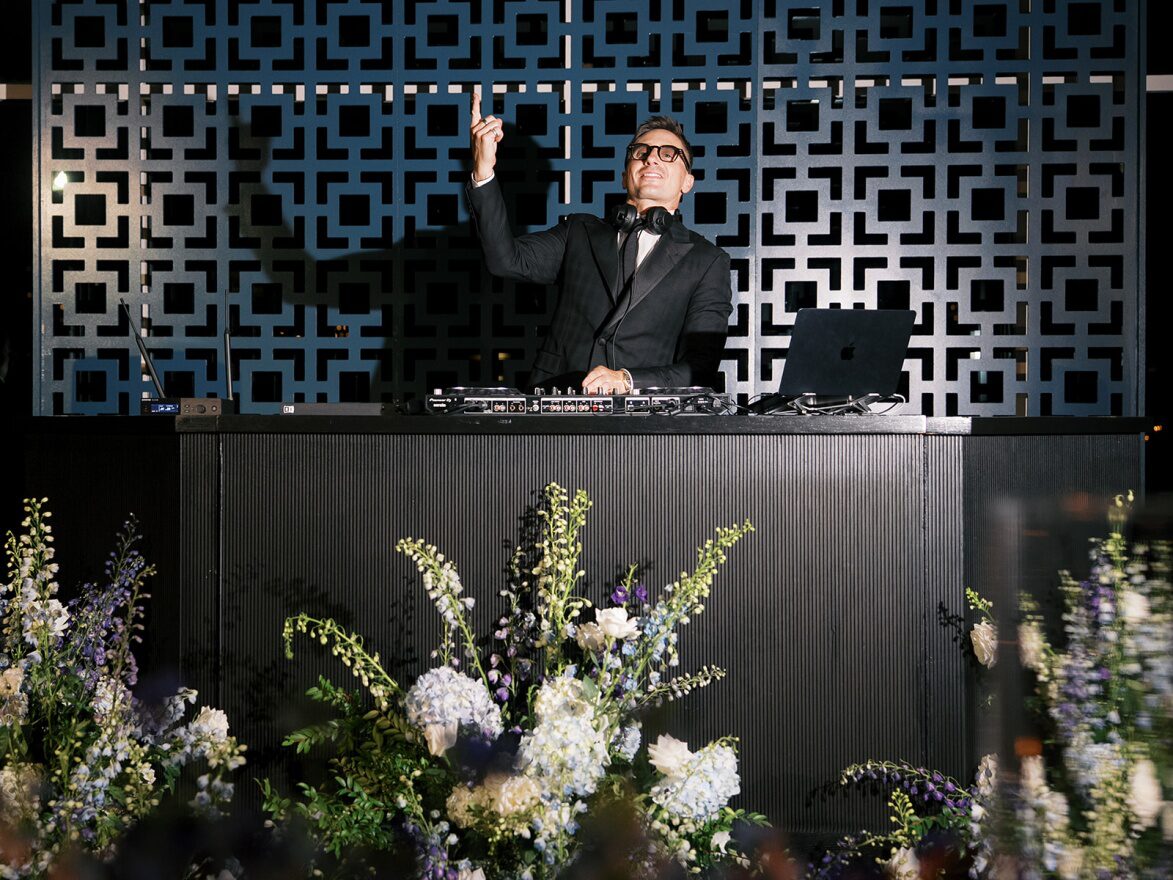
Music is central to the ’80s experience. Modern wedding planning approaches music selection with intention rather than nostalgia alone.
Effective strategies include:
- Curated playlists blending ’80s tracks with contemporary selections
- Live bands that reinterpret iconic songs
- Thoughtful pacing across the reception timeline
- Sound design that supports conversation as well as celebration
Planners frequently coordinate with entertainment teams to ensure transitions feel seamless and well-paced.
Lighting as a Design Tool
Lighting can subtly reinforce 1980s wedding inspiration without overwhelming the environment.
Approaches include:
- Soft uplighting in coordinated colors
- Controlled use of spot lighting for key moments
- Avoiding excessive effects that distract from the design
- Prioritizing clarity for photography and videography
Lighting decisions are often finalized in collaboration with technical creative partners to support both aesthetics and logistics.
Photography Considerations for ’80s-Inspired Weddings
Photography benefits from clear structure and consistent lighting when referencing bold design eras.
Planning considerations include:
- Shot lists that capture color and form
- Avoiding cluttered backgrounds
- Ensuring attire and décor are photographed accurately
- Coordinating timelines to leverage natural and installed light
Experienced planners often collaborate closely with photographers to align expectations and visual outcomes.
Guest Experience and Flow
A successful wedding balances visual inspiration with guest comfort and clarity.
Planning priorities include:
- Logical transitions between ceremony and reception
- Clear signage using coordinated design language
- Comfortable seating and circulation
- Considered pacing throughout the event
These elements ensure that the experience feels composed and intentional from start to finish.
Working with Full-Service Wedding Planning Teams
Couples drawn to 1980s wedding inspiration often benefit from comprehensive planning support. Full-service wedding planning teams serving Seattle and a wedding consultant serving Nashville approach these projects with structure and clarity.
Full-service planning typically includes:
- Design development and refinement
- Collaboration with creative partners
- Timeline and logistics management
- On-site execution support
It is important to note that this approach focuses on full-service planning rather than coordination-only offerings, ensuring continuity from concept through execution.
Balancing Nostalgia with Contemporary Standards
The most successful ’80s-inspired weddings avoid replication. Instead, they translate the decade’s defining elements into modern frameworks.
Best practices include:
- Editing design decisions carefully
- Prioritizing quality over quantity
- Ensuring consistency across all planning elements
- Aligning inspiration with venue and guest expectations
This balance supports a refined outcome that feels relevant rather than retrospective.
Final Thoughts on 1980s Wedding Inspiration
1980s wedding inspiration offers clarity, confidence, and structure when approached thoughtfully. Through controlled color palettes, intentional fashion choices, curated music, and cohesive design, couples can reference the era while maintaining a professional, modern presentation.
When guided by experienced full-service planners, these weddings reflect purpose and consistency rather than novelty.
For couples seeking a structured and thoughtful approach to incorporating retro influences into a modern luxury wedding, professional guidance can make a measurable difference.
Emily Coyne Events provides comprehensive wedding planning services, supporting couples through design development, creative collaboration, and execution with a focus on clarity and cohesion.
Exploring this level of planning support can help translate inspiration into a well-composed wedding experience. Connect with us today to begin planning your wedding.