Blending Southern style with European influence can feel intentional without feeling themed. When done well, the result is layered, personal, and visually grounded. An art gallery wedding offers a strong framework for this mix. It allows you to treat the space like a curated collection rather than a decorated room. Portraits, framed sketches, sculptural pieces, and architectural details all work together to create depth.
This approach is especially well suited for couples who value design, history, and thoughtful presentation. With the right guidance and elite wedding planning, the gallery wall concept can shape everything from the ceremony backdrop to the reception layout.
Why an Art Gallery Wedding Works for This Style Mix
An art gallery wedding gives structure to a design that blends regions and eras. Southern homes often focus on layered interiors, collected pieces, and a sense of place. European influence brings proportion, balance, and an appreciation for aged materials. A gallery wall sits comfortably between the two. It feels collected, not staged. It allows old and new to exist side by side.
Rather than relying on large installations, the gallery approach favors detail. Frames, artwork, and wall arrangements become focal points. Guests experience the space gradually as they move through it. This format also supports flexibility. You can introduce family pieces, antique finds, or commissioned art without forcing a theme. For planners working at the level of elite wedding planning, this approach offers creative freedom while keeping the design grounded.
Southern Wedding Aesthetics: Rooted, Warm, and Intentional
Southern wedding aesthetics are grounded in a sense of place rather than decoration for decoration’s sake. The focus is on comfort, proportion, and materials that feel familiar without looking dated. In the context of an art gallery wedding, this approach translates into layered interiors that feel lived-in and welcoming. Wood tones tend to be warm rather than dark. Linen, cotton, and soft upholstery replace anything overly structured. Furniture often looks collected over time instead of sourced all at once. These choices support artwork by creating a calm backdrop rather than competing for attention.
Color plays a quiet but important role. Soft neutrals, washed blues, muted greens, and subtle clay tones reflect the Southern preference for ease and balance. These colors allow framed pieces to stand out while keeping the room grounded. Architectural details such as tall windows, wide doorways, and traditional moldings can frame gallery walls naturally. When guided by elite wedding planning, Southern aesthetics are used as a foundation. They shape how guests move through the space, where they pause, and how long they feel comfortable staying in one place.
Hospitality is also central to this style. Seating areas are generous and thoughtfully placed. Drinks are offered without guests needing to search for them. Transitions between indoor and outdoor spaces feel natural. In an art gallery wedding, this sense of ease allows guests to engage with the artwork at their own pace. The design does not ask for attention. It earns it through consistency and care.
Old World Wedding Aesthetics: Structure, History, and Visual Weight
Old World wedding aesthetics draw from European design traditions that prioritize proportion, symmetry, and material integrity. This style values craftsmanship over trend. In an art gallery wedding, Old World influence often appears through architectural references rather than decorative themes. Stone textures, plaster walls, aged metals, and classical forms provide visual weight and context for art-driven design.
Color palettes lean toward depth and restraint. Warm ivories, soft taupes, charcoal, and muted metallics create contrast without overwhelming the space. Frames may feel heavier. Artwork may include portraits, landscapes, or abstract pieces inspired by classical techniques. Scale matters here. Larger pieces are given room to breathe. Walls are not overfilled. This discipline keeps the gallery presentation clear and intentional.
Furniture and layouts also reflect this influence. Long dining tables reference European communal meals. Symmetrical arrangements create a sense of order, even in more relaxed settings. Lighting is controlled and purposeful. Picture lights, sconces, and candlelight are used to highlight form and texture rather than to set a dramatic mood. Through elite wedding planning, Old World aesthetics are applied selectively. They add depth and structure to the art gallery wedding concept without making the space feel heavy or formal.
Choosing the Right Venue as a Foundation
The venue sets the tone long before the first frame goes on the wall. Look for spaces with architectural character. Historic estates, renovated museums, private galleries, and Southern homes with European detailing all work well. High ceilings, plaster walls, wood paneling, or stone floors provide a neutral backdrop for art-driven design.
An art gallery wedding benefits from clean walls and clear sightlines. Avoid spaces already heavy with décor. You want room to curate. Outdoor courtyards connected to interior rooms can also support this style, especially when the transition feels natural. When working with elite wedding planning, venue selection often includes evaluating wall space, lighting conditions, and flow between rooms. These details matter more here than square footage alone.
Building a Gallery Wall With Intention
A gallery wall should feel considered, not crowded. Start with a loose color palette. Soft neutrals, muted earth tones, and classic black or gold frames tend to work well. Mixing frame styles is encouraged, but repetition creates cohesion. For example, vary sizes but keep finishes consistent.
Artwork does not need to be valuable to feel important. Sketches, charcoal drawings, vintage maps, botanical prints, and sculptural wall pieces all belong in an art gallery wedding setting. Some couples include personal photographs printed in fine art styles. Others commission local artists for custom pieces. The key is restraint. Leave space between frames. Let the wall breathe.
With elite wedding planning, gallery walls are often designed in advance using scaled layouts. This prevents guesswork during installation and ensures balance once everything is in place.
Lighting as Part of the Display
Lighting does more than set mood in an art gallery wedding. It defines how the artwork is experienced. Track lighting, picture lights, and soft uplighting can highlight frames without overwhelming them. Avoid harsh spotlights. The effect should feel even and intentional.
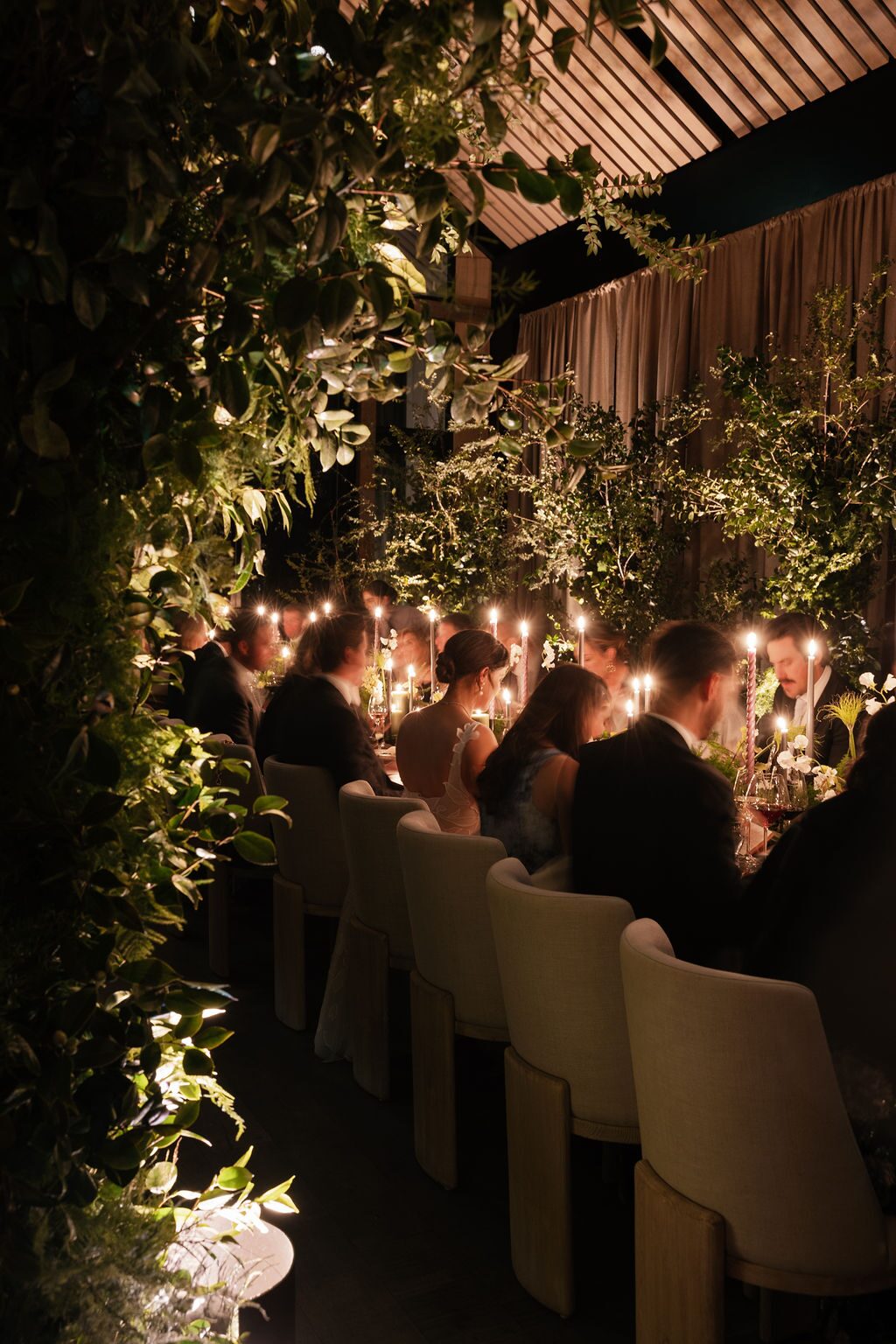
Candlelight adds warmth, especially in evening receptions. Use it to balance structured lighting. Table lamps placed near walls or seating areas can also support the gallery feel. Lighting plans are often developed alongside wall layouts in elite wedding planning settings. This ensures the art remains visible throughout the event without becoming the focus at the wrong moments.
Ceremony Backdrops With Gallery Influence
A gallery wall can replace traditional ceremony backdrops. Instead of florals or draping, artwork becomes the visual anchor. This works particularly well indoors or in covered outdoor spaces. Frames can be arranged behind the ceremony space or slightly offset to one side.
For an art gallery wedding, this approach keeps the ceremony visually connected to the rest of the event. Afterward, the same wall becomes part of the cocktail hour experience. Guests can view the pieces up close. This reuse aligns well with thoughtful planning and the standards of elite wedding planning.
Creative Reception Layouts Inspired by Galleries
Reception layouts can be borrowed from gallery flow. Rather than one large room with a single focal point, consider zones. A dining area, a lounge space, and a standing cocktail area can each feature different walls or displays.
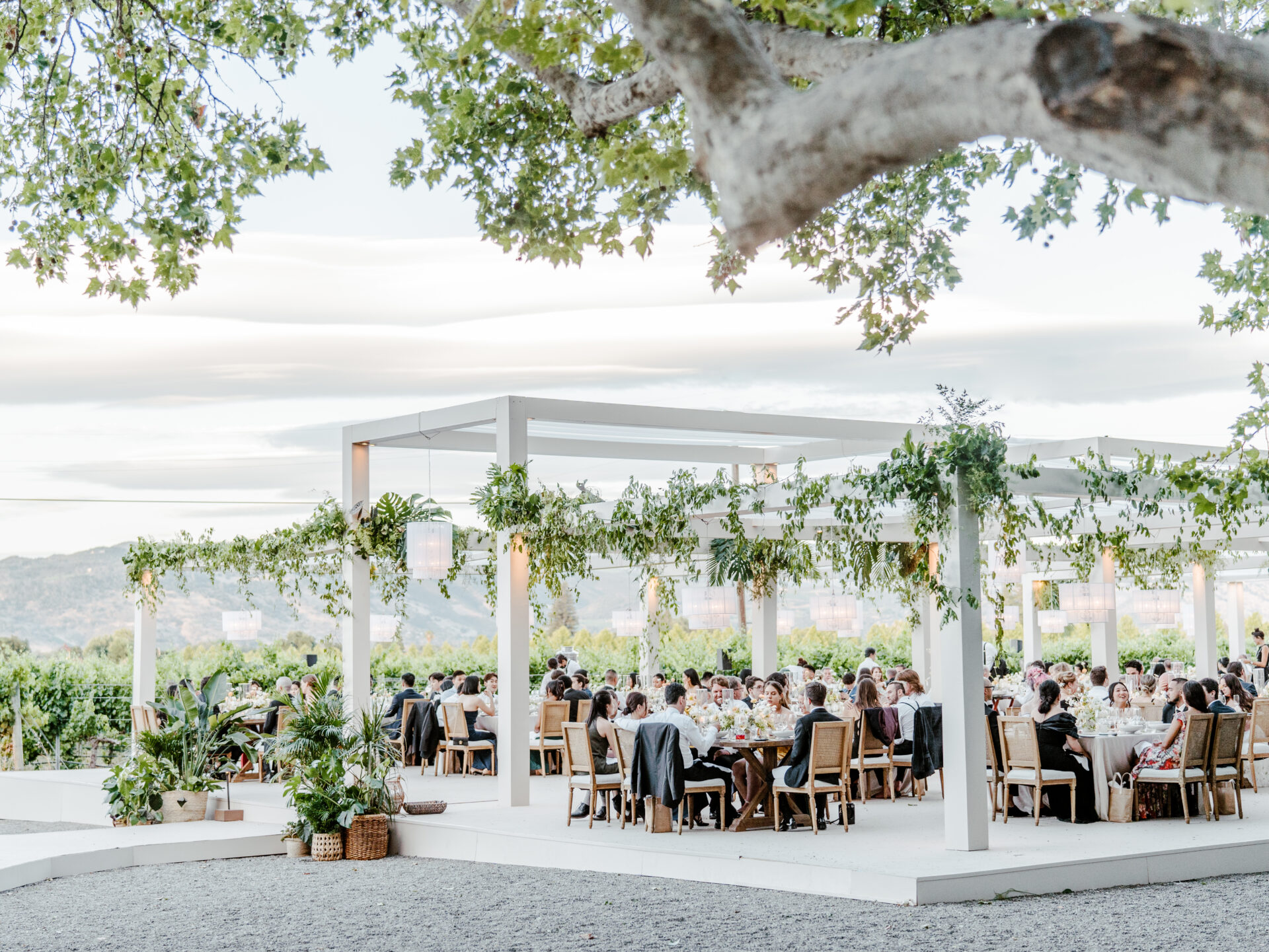
Long tables placed parallel to gallery walls encourage guests to engage with the art while dining. Smaller tables allow for more movement and conversation. In an art gallery wedding, spacing matters. Avoid filling every inch. Negative space is part of the design.
Planners working in elite wedding planning often map guest movement the same way galleries do. This ensures each area feels intentional and connected.
Tablescapes That Support the Concept
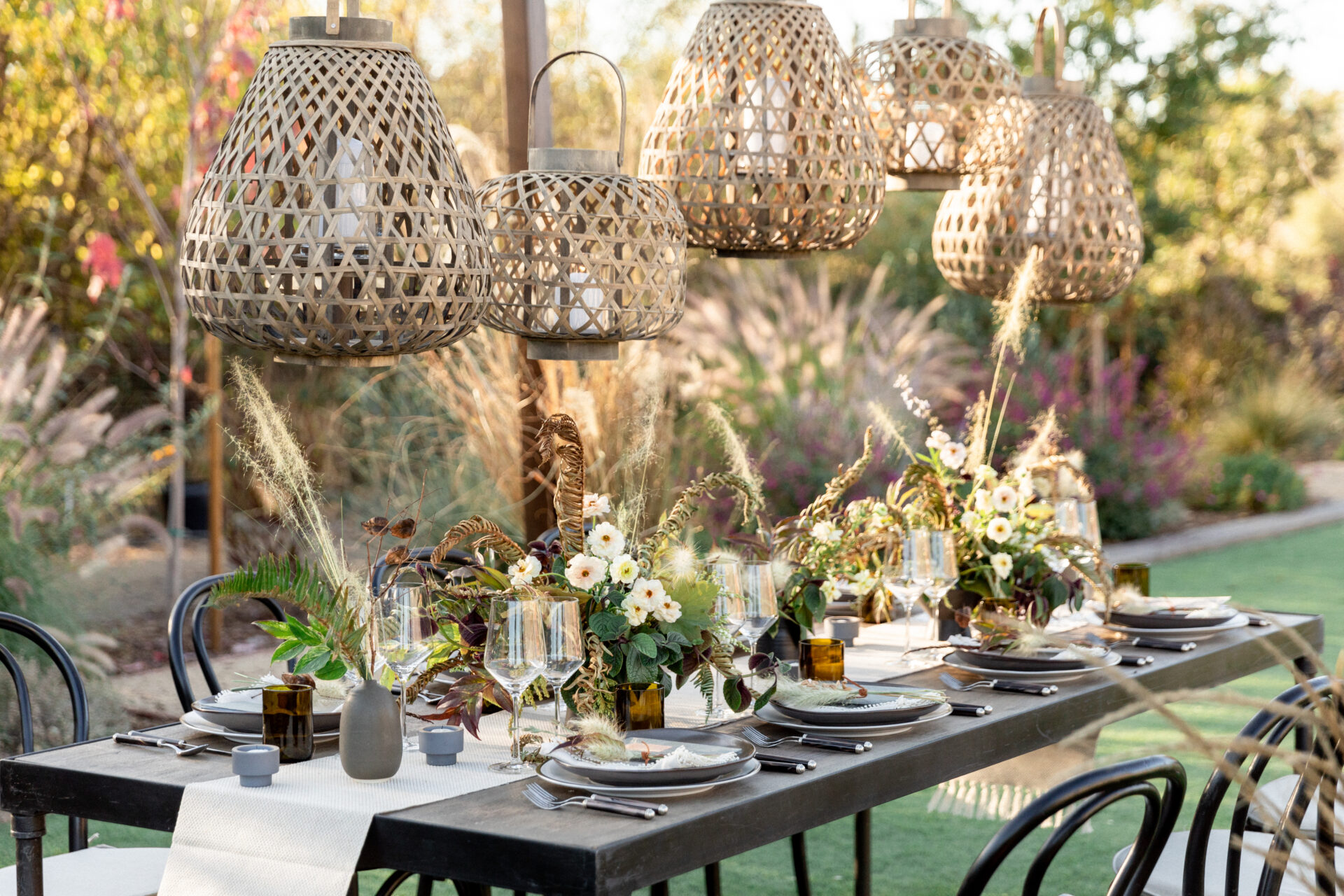
Tables should complement the walls, not compete with them. Keep centerpieces low and textural. Ceramics, small sculptural objects, and simple florals work well. Table linens in natural fabrics add softness without drawing attention away from the surroundings.
Place settings can reference European dining traditions through charger plates or classic flatware shapes. For an art gallery wedding, printed menus may feature artwork motifs used on the walls. This subtle repetition ties everything together. Elite wedding planning teams often collaborate with stationery designers early to ensure consistency across elements, including save the dates.
Integrating Personal Art and Collections
Personal collections add meaning to a gallery-style event. This could include family portraits, inherited artwork, or shared interests like photography or travel sketches. Displaying these pieces turns the space into a reflection of the couple rather than a styled set.
In an art gallery wedding, personal items should be edited carefully. Not everything needs to be displayed. Choose pieces that work visually and emotionally. Labels or small placards can offer context without becoming distracting. This level of curation is a hallmark of elite wedding planning.
Working With Creative Partners
Executing a gallery wall wedding requires collaboration. Installers, lighting specialists, florists, and furniture providers all play a role. Clear communication is essential. Everyone should understand the visual goal and how their work supports it.
For an art gallery wedding, timelines matter. Walls often need to be installed before other elements arrive. Lighting adjustments may happen last. Elite wedding planning brings structure to this process. It ensures creative partners work in sequence rather than in conflict.
Balancing Florals With Art
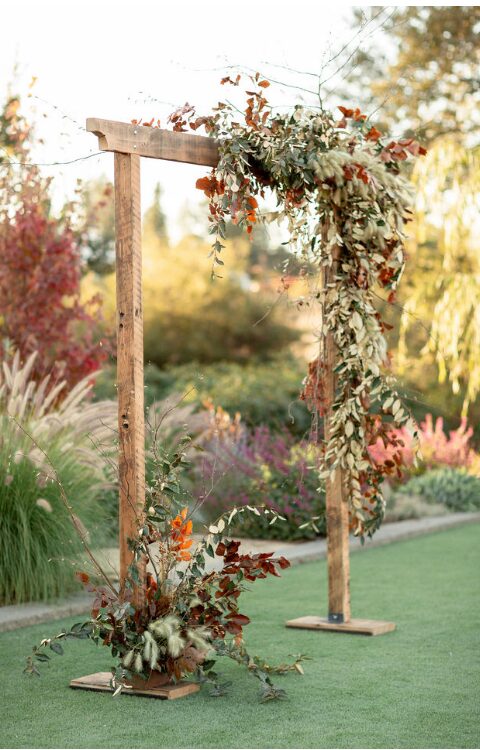
Florals still have a place in a gallery-inspired event. The key is placement. Use them to frame spaces rather than fill them. Entryways, table edges, and outdoor transitions benefit from greenery or restrained arrangements.
Avoid placing large floral installations directly in front of artwork. Let each element have its own moment. In an art gallery wedding, florals act as texture and movement. Elite wedding planning often involves close coordination between floral designers and art installers to maintain balance.
Color Stories That Support the Walls
Color choices should support the artwork rather than dominate it. Soft whites, warm grays, muted greens, and subtle blues often work well. Accents can come from the art itself. Pull tones from frames or featured pieces.
In an art gallery wedding, consistency matters more than variety. Limit the palette and repeat it across linens, stationery, and furniture. This approach keeps the focus on the walls while creating a cohesive experience. Elite wedding planning teams often create full color studies before final selections are made.
Guest Experience in a Gallery Setting
Guests interact differently in a gallery-inspired space. They move, pause, and observe. Design should encourage this. Place seating near walls. Allow clear pathways. Avoid blocking views with oversized décor.
For an art gallery wedding, signage should be minimal and clear. Directional signs can be framed to match the artwork. This keeps the experience intuitive. With elite wedding planning, guest comfort is considered alongside visual impact.
Timing and Flow Across the Event
Gallery walls work best when guests have time to engage with them. Schedule moments that allow for this. A longer cocktail hour or staggered reception entry can help. Avoid rushing transitions.
In an art gallery wedding, flow supports appreciation. Each phase of the event should reveal a new perspective. Elite wedding planning often focuses on pacing as much as design, ensuring the space is experienced fully.
An art gallery wedding that blends Southern influence with European detail relies on restraint, curation, and clarity. It is not about filling walls but about choosing what deserves attention. With thoughtful planning and the structure provided by elite wedding planning, this approach creates a setting that feels personal, considered, and visually grounded.
If you’re drawn to weddings that feel intentional, layered, and visually grounded, Emily Coyne Events can help guide that process with clarity and care. From shaping an art gallery wedding concept to managing every design detail, our approach to elite wedding planning centers on thoughtful curation and strong creative direction.
As top wedding planners and consultants for weddings in DC, our team focuses on design, flow, and guest experience so every element feels considered and well paced.