Flowers set the tone of a wedding even before a single song plays or a glass of champagne is poured. A carefully chosen arrangement can say everything about a couple’s personality, all through color, texture, and movement. And as we look ahead to wedding flower trends of 2026, one thing is clear: the floral world is changing.
The focus isn’t just on what looks beautiful anymore. It’s about intention. Sustainability, structure, artistry, and emotion are shaping how florals appear in weddings across the country. If you’re working with a wedding planner, you’ll notice they’re talking less about matching centerpieces and more about floral storytelling.
Let’s walk through the most inspiring ideas that can make every guest stop and stare.
Sustainability Takes Center Stage
In 2026, “eco-friendly” isn’t a niche concept; it’s the new standard. Couples are asking their creative partners for florals that are as kind to the planet as they are to the eye. Gone are the days when imported blooms and single-use foam arrangements ruled the scene. The new wave is thoughtful and resourceful. Think locally sourced flowers, seasonal selections, and reusable designs that move effortlessly from one part of the celebration to another.
A wedding planner who understands this shift knows how to guide you through it. They’ll connect you with creative partners who work foam-free, compost trimmings, and reuse ceremony flowers for the reception. Your arch can become a photo backdrop. Your aisle florals can brighten the lounge area. Sustainability doesn’t have to mean sacrificing beauty. Instead, it’s about designing smarter, not smaller.
If you’re drawn to the idea of meaningful floral design, ask your wedding planner where the flowers are coming from. Can they source from local growers? Will any of the arrangements be repurposed later in the event? These questions will make your florals both feel intentional while sustainable.
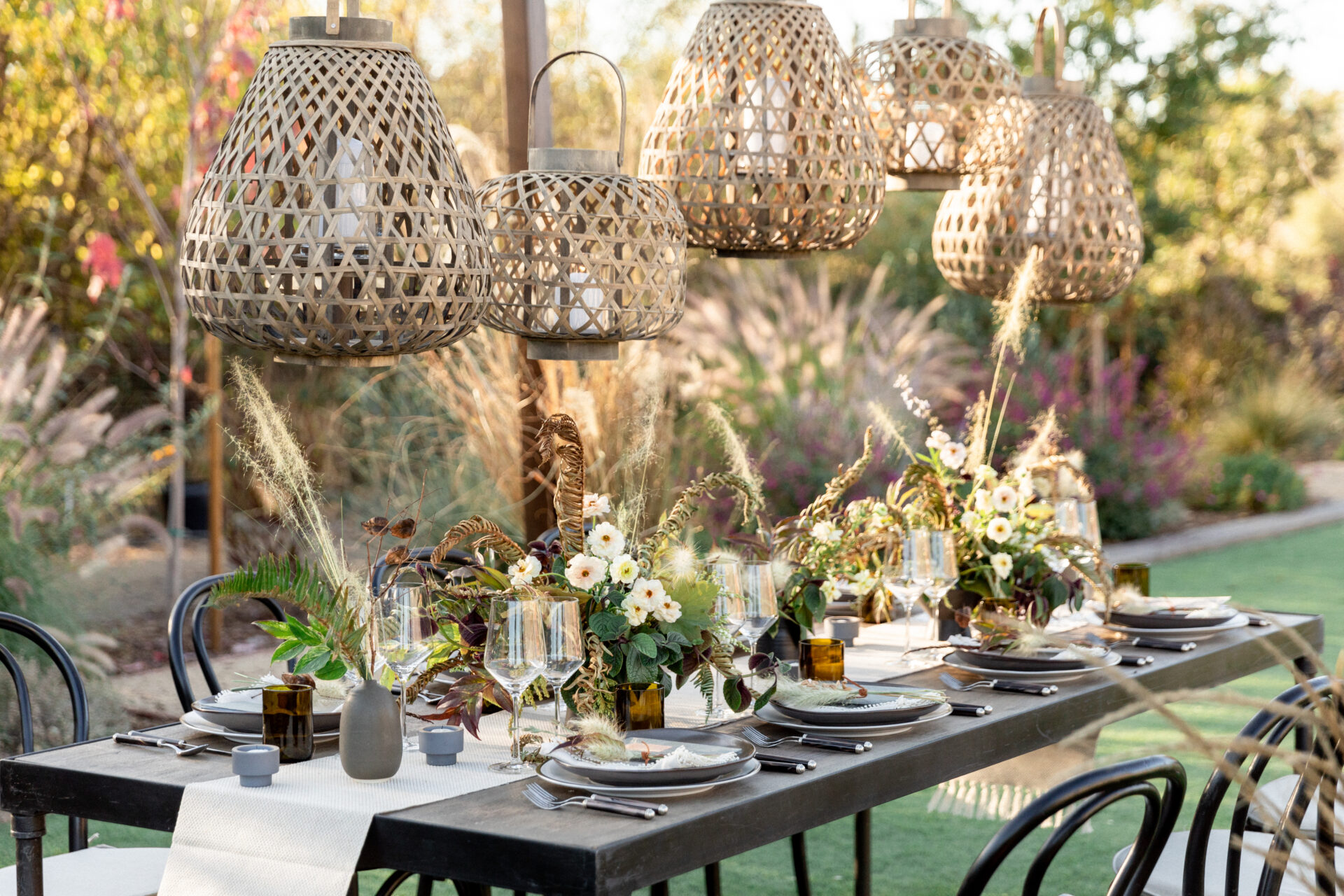
And sustainability doesn’t stop at fresh flowers. Dried, preserved, and potted elements are making their way into 2026’s wedding flower trends, adding texture and depth that fresh blooms alone can’t always deliver. Imagine combining airy pampas grass with soft garden roses, or dried palms layered with seasonal ranunculus. These contrasts feel modern, grounded, and incredibly photogenic.
Color Stories: The Popularity of Bold Monochromes
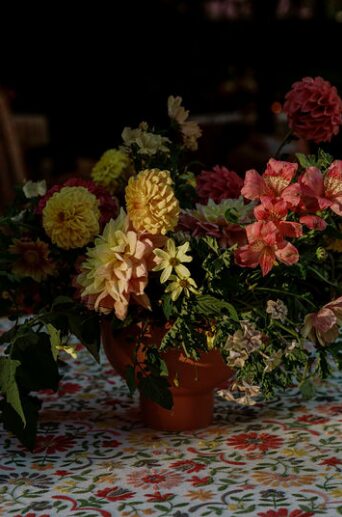
If 2025 was the year of neutrals, 2026 is bringing color back. And with confidence! The wedding flower trends of 2026 spotlight strong, tone-on-tone palettes that make a statement without being overwhelming.
Picture a bouquet made entirely of roses, dahlias, and carnations in shades of dusty rose. Or an aisle lined with flowers in deep ruby and blush, creating subtle depth rather than a riot of colors. Monochrome arrangements are sophisticated but still playful. They let shape, texture, and layering do the talking.
For couples who still love soft neutrals, you’re not left behind. Creamy whites and warm taupes are staying, but they’re now paired with accents like terracotta, muted sage, or even golden caramel. A hint of citrus, like tangerine, lemon, or coral, is emerging as a fresh twist for spring and summer weddings.
A leading wedding planner can help tie these color decisions into the overall aesthetic of the event, from the linens and stationery to the attire and even lighting. When color feels consistent across every element, the entire space looks curated and intentional.
The trend toward bolder palettes isn’t about being loud. It’s about being expressive. Color is storytelling. Whether it’s a modern city rooftop with sleek crimson arrangements or a vineyard ceremony bathed in sunset tones, a cohesive palette turns a space from ordinary to unforgettable.
Wildflower Energy with a Modern Edge
Nature-inspired weddings aren’t fading. The “wildflower” look that once felt rustic now leans more like modern meadow: effortless but clearly styled. The 2026 version of this trend is about curated spontaneity. Think florals that feel alive, not arranged.
Think loosely gathered bouquets with asymmetrical lines, full of texture and movement. Picture an aisle flanked by low, meadow-like arrangements that look as if they grew there overnight. It’s soft, textural, and deeply connected to the environment.
Your wedding planner will likely collaborate with your creative partners to source local wildflowers or in-season blooms. Not only does this tie back to sustainability, but it also gives your wedding a sense of place: florals that mirror the natural surroundings of your venue. A garden ceremony in Oregon might feature chamomile, delphinium, and grasses, while a desert wedding in Arizona could bring in dried palms, eucalyptus, and earthy tones.
What’s beautiful about this trend is how it blurs boundaries. Wildflower arrangements don’t just live on tables or in bouquets; they might spill into the aisle, climb a staircase, or appear on cocktail tables in smaller, textural clusters. It’s a reminder that florals can shape an entire space without needing to be perfectly symmetrical or traditional.
And yes! There’s still a touch of romance in that meadow aesthetic. But it’s not the scripted kind. It’s wild, a little unpredictable, and effortlessly stylish.
Statement Ceremony Arches
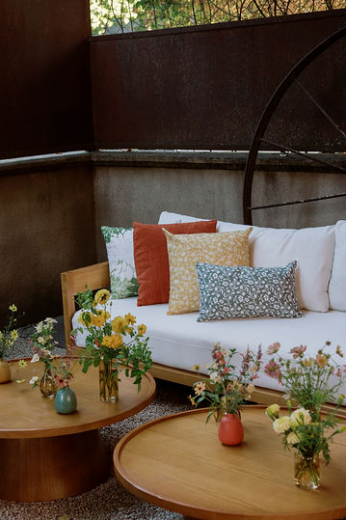
Ceremony arches have become design centerpieces. They’re not just backdrops anymore; they’re immersive environments. Some couples are choosing floating floral clouds, while others opt for asymmetrical arches that feel like works of art. Picture a half-arch built from branches, soft blooms, and preserved grasses. It feels organic yet structured.
What makes this wedding flower trend of 2026 so impactful is its adaptability. A skilled wedding planner will often suggest repurposing the ceremony florals later in the day. That breathtaking arch can become part of the photo area or sit behind the sweetheart table during dinner. It’s both a stunning visual moment and a smart investment.
Materials are mixing, too. You’ll see fresh flowers intertwined with preserved stems, draped fabric, and unexpected accents like woven rattan or translucent materials. These combinations add depth and make florals feel like part of the architecture rather than accessories.
The best part? These installations photograph beautifully from every angle. They draw attention without feeling forced, turning a simple ceremony space into something truly memorable.
The Beauty of Shape, Texture, and Movement
If color is emotion, then texture is character. And the 2026 wedding floral trends have plenty of it. The new movement in floral design leans into sculptural shapes, asymmetry, and a play of materials that catch light and shadow.
Bouquets are becoming less “round and perfect” and more organic, with stems extending naturally and flowers layered at different heights. Ceremony arrangements often include curved or angular lines that frame the space creatively. It’s artful without feeling overly polished.
You might see florals designed in minimalist cubes, tall glass structures, or even wrapped in sheer fabric to create soft transparency. Dried and preserved elements like palm leaves, grasses, and textured pods give contrast to softer blooms.
For couples, this trend is liberating. It invites individuality. No two arrangements have to look identical. And that’s the point. Each one feels alive, expressive, and human.
As a wedding planner, this means working closely with creative partners who specialize in structural creativity. These pieces take time, skill, and vision to execute well. Planning for extra setup time or additional support might be necessary, but the payoff is worth it. It makes for florals that feel more like sculpture than décor.
This trend also ties beautifully into modern venues. Think art galleries, minimalist lofts, or even industrial spaces. The contrast between structured architecture and organic florals feels strikingly current.
Color Accents That Tell a Story
Couples are becoming more expressive with their color choices. But rather than leaning into loud contrasts, they’re focusing on purposeful accenting to tell a story rather than dominate it.
For example, a white and ivory base palette might feature pops of coral or marigold to represent joy and warmth. A soft neutral scheme can be elevated with subtle hints of lavender or dusty blue to symbolize serenity. These delicate additions keep the arrangements classic but personal.
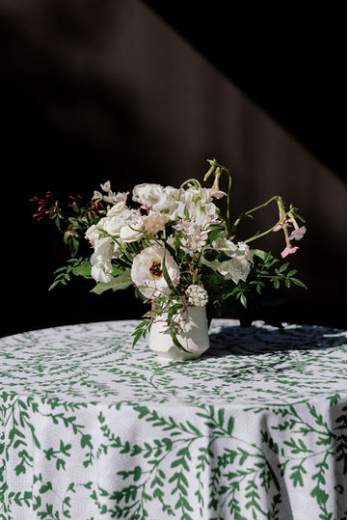
Working with an experienced wedding planner makes it easier to thread these accent colors through every element of the celebration, from floral ribbons and table runners to napkin hues and even cake design.
There’s also a growing appreciation for earthy tones: olive green, rust, stone, and muted gold. These shades add richness and depth, grounding bright blooms with natural sophistication. Many 2026 wedding flower trends are embracing tonal gradients for a more dynamic visual effect.
Lighting plays a huge role here, too. Under warm candlelight or string bulbs, even the softest blush blooms can take on a golden radiance. It’s a detail your planner and florist can collaborate on because when florals, lighting, and décor work harmoniously, the entire room feels alive.
Textures That Invite Touch
2026 wedding flower trends are making florals tactile experiences. Guests no longer just admire them from a distance. Instead, they lean in, they notice, and they feel. Texture has quietly become one of the most influential elements in modern floral design.
Ruffled petals, velvet-like foliage, and feathery stems are making a comeback. Think lisianthus, ranunculus, and scabiosa pods layered with wispy grasses and soft greenery. These textural combinations add movement and depth, especially in arrangements that are designed to look good from every angle.
Couples in 2026 want their weddings to feel immersive, and texture does exactly that. It adds an organic, almost sensory quality to the celebration.
A skilled wedding planner knows that texture isn’t just about the flowers themselves. It can extend to the materials surrounding them. Think linen tablecloths, ceramic vessels, or stone vases that echo the natural elements of the florals. Together, they form a cohesive design language that feels warm and intentional.
This emphasis on texture also lends itself beautifully to smaller, more intimate weddings. When there are fewer arrangements overall, the quality of each detail stands out even more. A single bouquet, thoughtfully constructed with layered materials, can have more impact than a room filled with uniform centerpieces.
Heirloom-Inspired Arrangements
As wedding flower trends evolve, there’s also a subtle return to nostalgia in 2026. Many couples are rediscovering the beauty of heirloom flowers; blooms their parents or grandparents might have loved. Sweet peas, carnations, delphiniums, and garden roses are finding new life in modern arrangements.
But don’t picture your grandmother’s bouquet. Today’s interpretations mix these traditional flowers with contemporary styling: loose shapes, bold color palettes, and unexpected pairings. A cluster of garden roses might sit beside sculptural protea or minimalist orchids.
This blending of old and new speaks to a broader shift in wedding aesthetics: the desire to honor history without being bound by it. For some couples, these flowers hold sentimental meaning: perhaps a mother’s favorite hydrangea or the same lily that appeared in their parents’ wedding photos.
Your wedding planner can help you weave these meaningful details into your design narrative. They might suggest framing your floral inspiration with vintage accents such as an antique vase, embroidered ribbon, or heirloom brooch pinned to the bouquet handle.
Unexpected Vessels and Floral Placement
Another wedding flower trend and design shift for 2026 is the move away from traditional vases. Florists are experimenting with unconventional vessels like ceramics, wood, glass orbs, woven baskets, and even reclaimed stone. These vessels add personality and texture while tying the floral story to the overall aesthetic of the space.
For example, a modern city loft might feature sleek, clear acrylic bases that let the florals appear to float. A coastal venue could use weathered wood or hand-thrown pottery for a more organic touch.
This creativity extends beyond the tables, too. Florals are showing up in unexpected places: framing mirrors, wrapping around staircases, or appearing in overhead installations above dining tables. The result is immersive. It’s like stepping into a floral art exhibit rather than a traditional wedding setup.
Your wedding planner will help coordinate how these creative displays interact with lighting, guest flow, and photography.
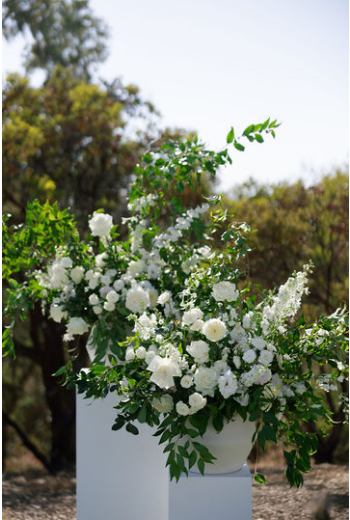
Turn your floral vision into a cohesive, unforgettable celebration with the expertise of Emily Coyne Events. From an Austin wedding to a Minneapolis wedding, our wedding planner teams that organizes weddings across the USA specialize in turning today’s most inspiring wedding flower trends for 2026 into personalized, breathtaking designs.
From your ceremony aisle to your reception tables, we’ll ensure every bloom, hue, and texture ensures artistry and purpose. Let our experienced planners help you bring beauty, intention, and ease to every floral detail of your wedding.