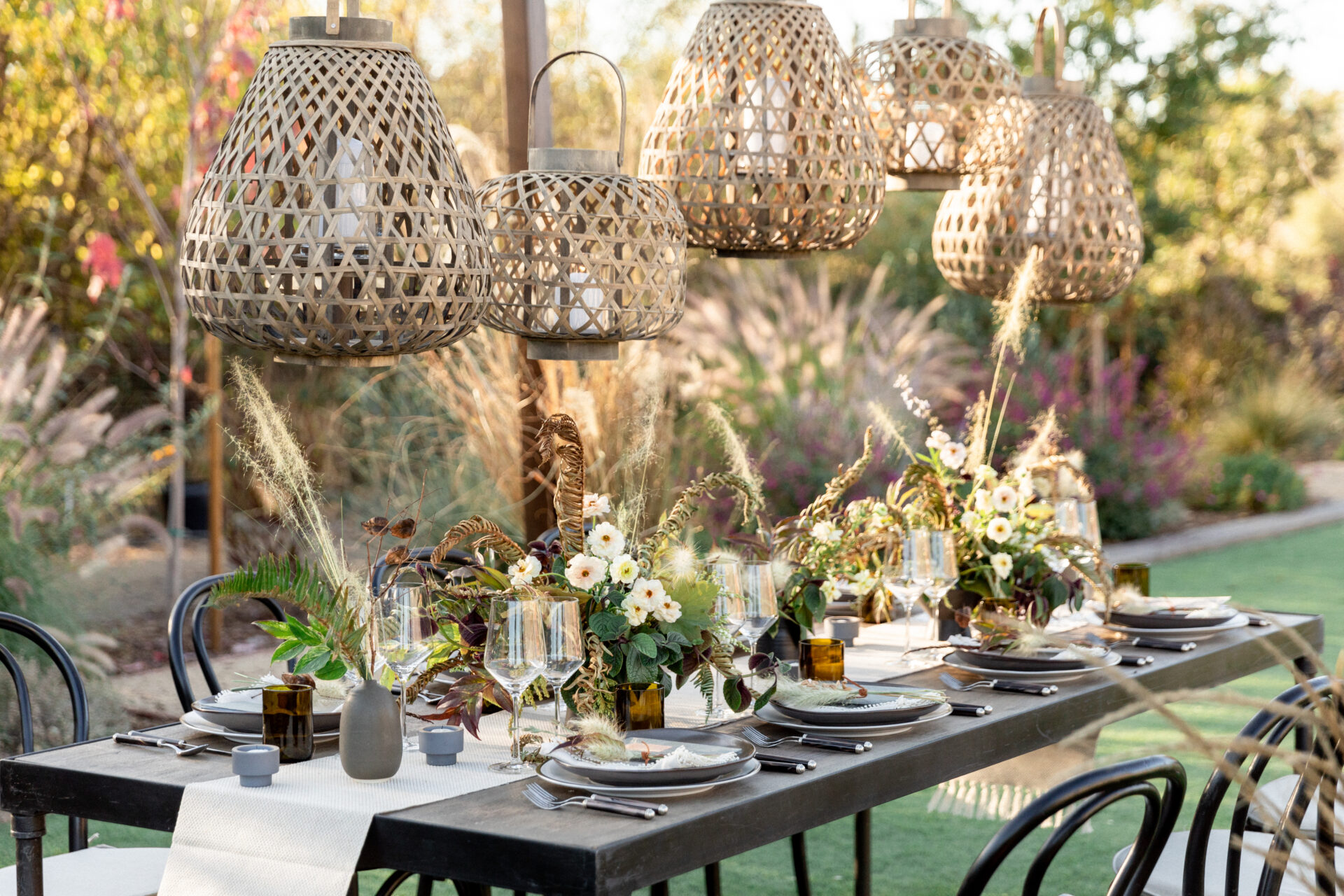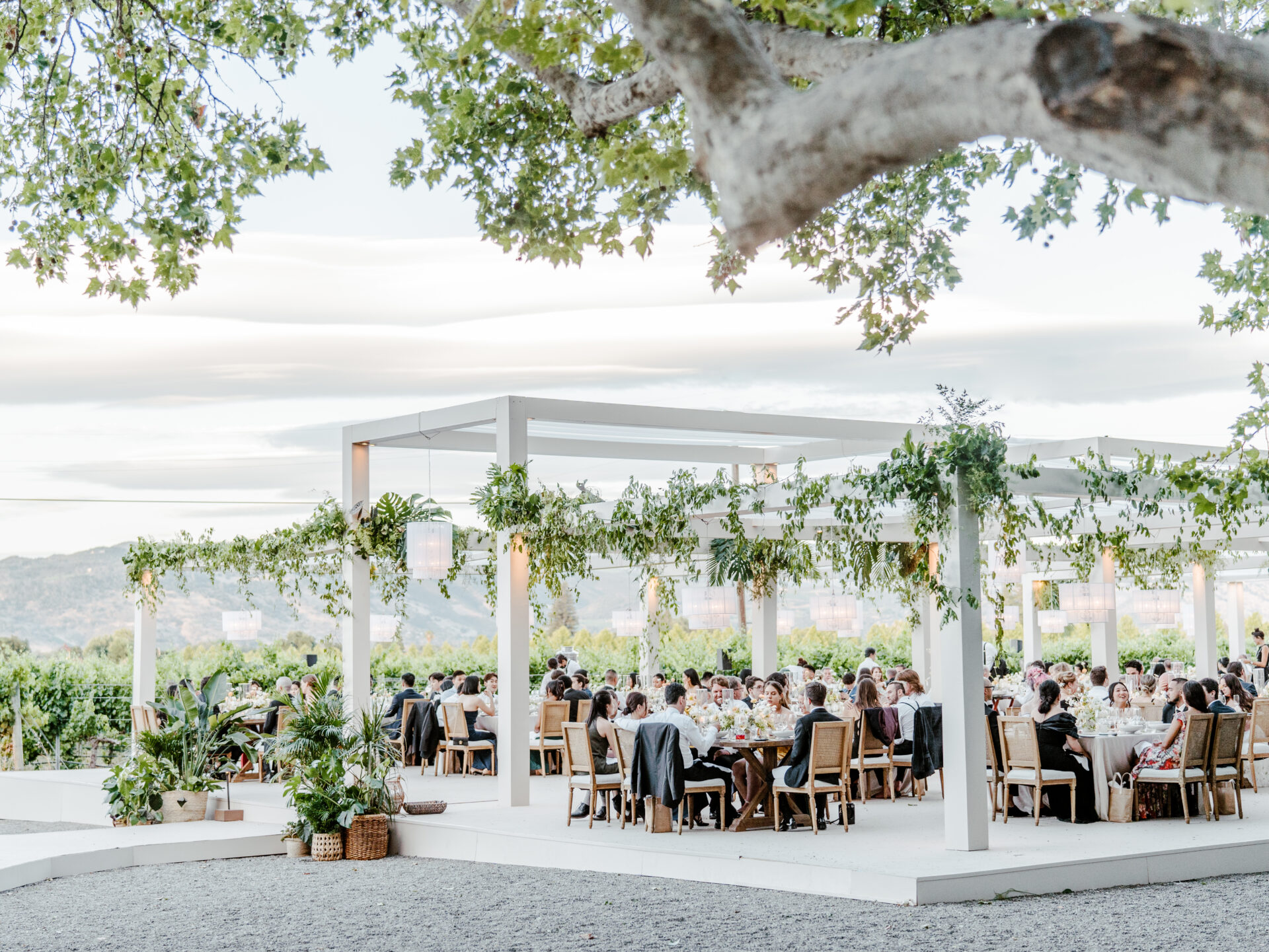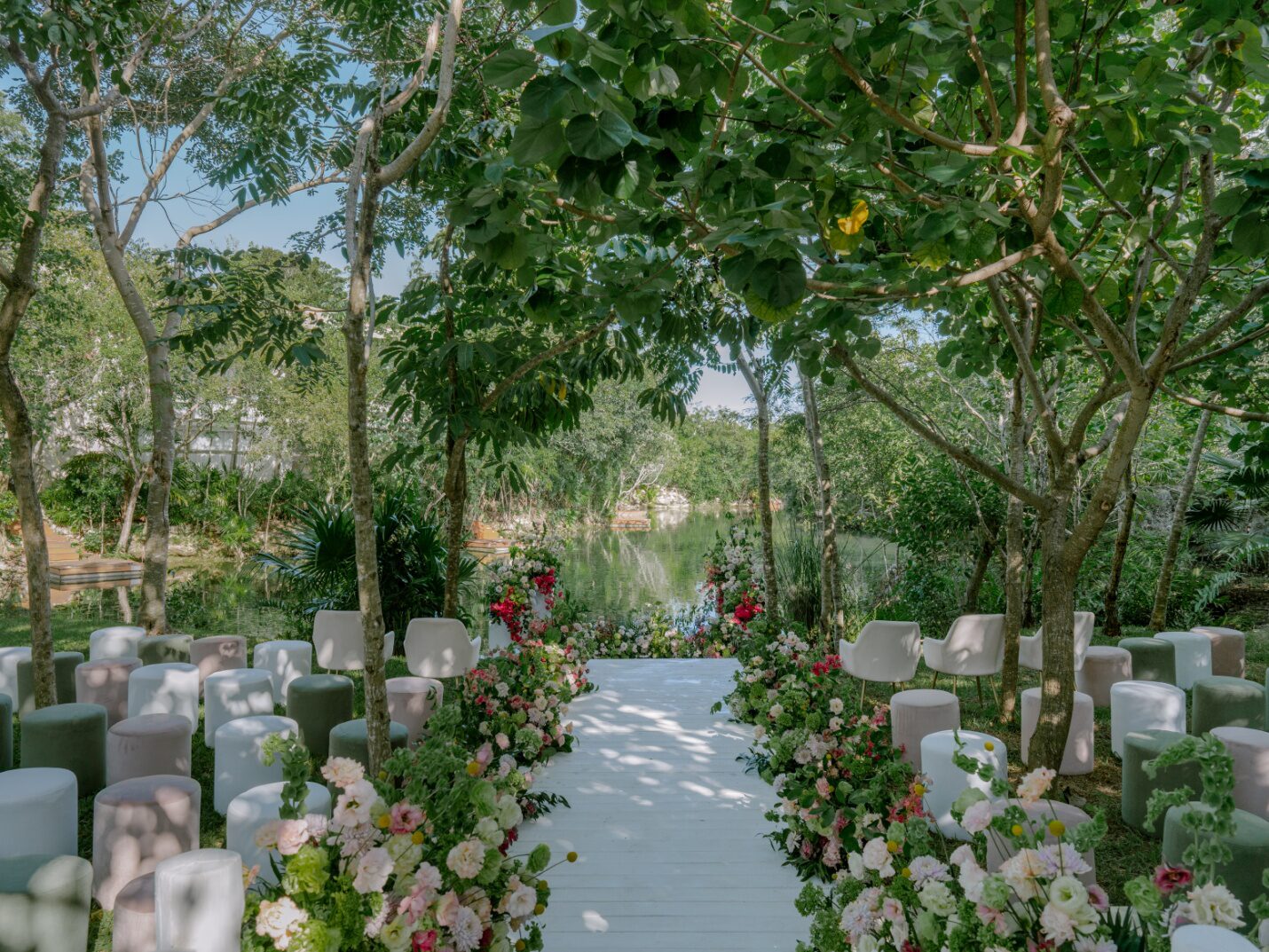
Destination weddings continue to evolve as couples prioritize meaningful experiences, tailored guest journeys, and celebration environments that feel intentional and globally aware. As international travel becomes more curated and private for discerning clients, destination wedding inspiration increasingly reflects influences from global luxury markets.
This includes cultural appreciation, elevated design thinking, and travel-driven experiences shaped by regional expertise.
Across the world, high-end hospitality and design communities are setting new expectations for how destination weddings can be produced. Many couples now lean on wedding planners and consultants for weddings in LA, Atlanta, and beyond, to simplify logistics and bring clarity to a complex planning environment.
Others look for exclusive wedding planning services from firms that specialize in high-touch travel support, venue scouting, and immersive experience design.
This guide explores how global markets are shaping destination weddings, the trends influencing celebration design, and how strategic planning can support meaningful, well-executed events.
Global Influence on Modern Destination Weddings
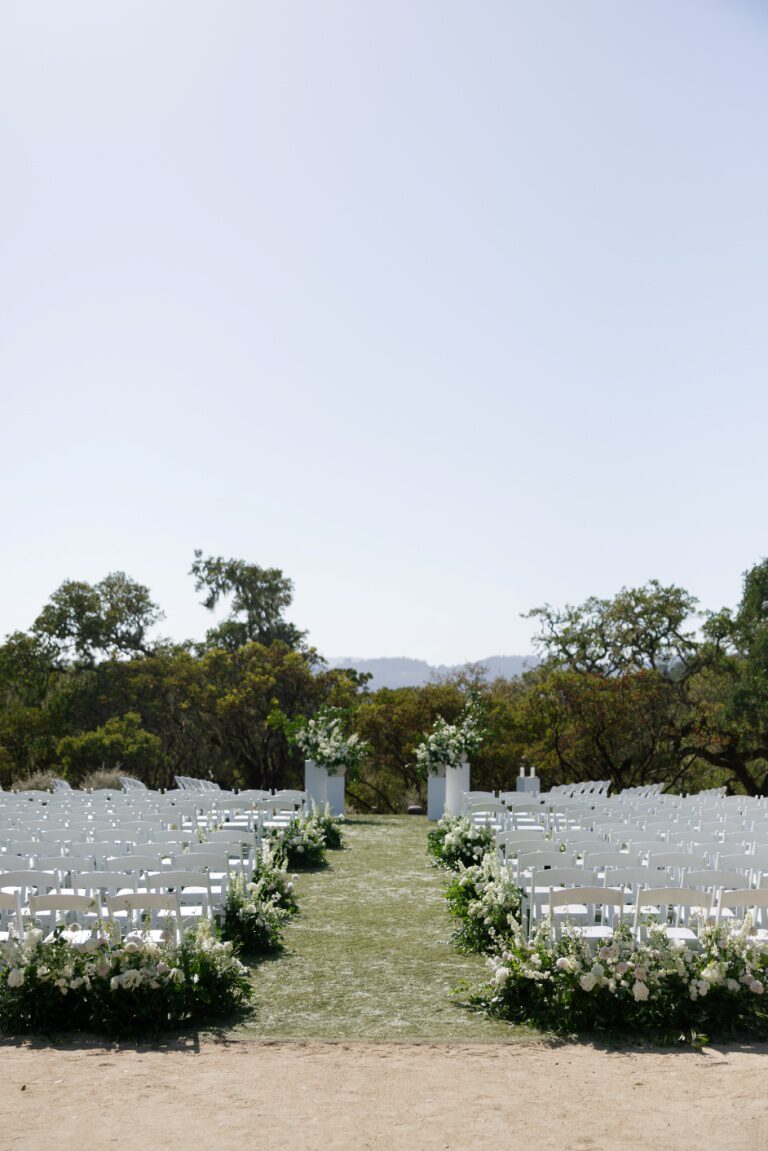
International design markets continue to influence how couples approach their destination wedding inspiration. From architecture to cuisine to hospitality trends, today’s clients are exposed to ideas through travel, media, and private events worldwide.
As a result, destination weddings are no longer viewed as singular celebrations but rather as multi-day experiences shaped by locality and cultural context.
Luxury markets in regions such as the Mediterranean, the Caribbean, the Middle East, and Southeast Asia have introduced elevated expectations in service, design, and privacy.
These locations influence celebrations in the following ways:
- Location-Driven Design Principles
Rather than transporting an aesthetic from home to the destination, couples often embrace local craftsmanship and design principles. In Europe and Asia, for instance, structured design, architectural lines, and specialized florals are guiding foundational decisions. This approach encourages celebrations that respond to the environment instead of competing with it.
- Regional Culinary Direction
Destination culinary programs now draw from local producers, regional techniques, and global hospitality standards. Instead of broad menus, couples work with chefs to develop curated course-based experiences. Food becomes an expression of place—yet remains aligned with guest expectations for a luxury wedding.
- Private Experiences Over Tourist Elements
Global luxury travelers look for bespoke, off-itinerary experiences. As a result, destination weddings may include private tastings, chartered excursions, or access to cultural locations not typically open to the public. These experiences encourage connection without compromising privacy or comfort.
Wedding planners and consultants for weddings in LA and experts offering destination wedding planning services serving Puerto Vallarta are particularly skilled in translating these global influences into cohesive, well-structured events.
Cultural Fusion with Intentionality
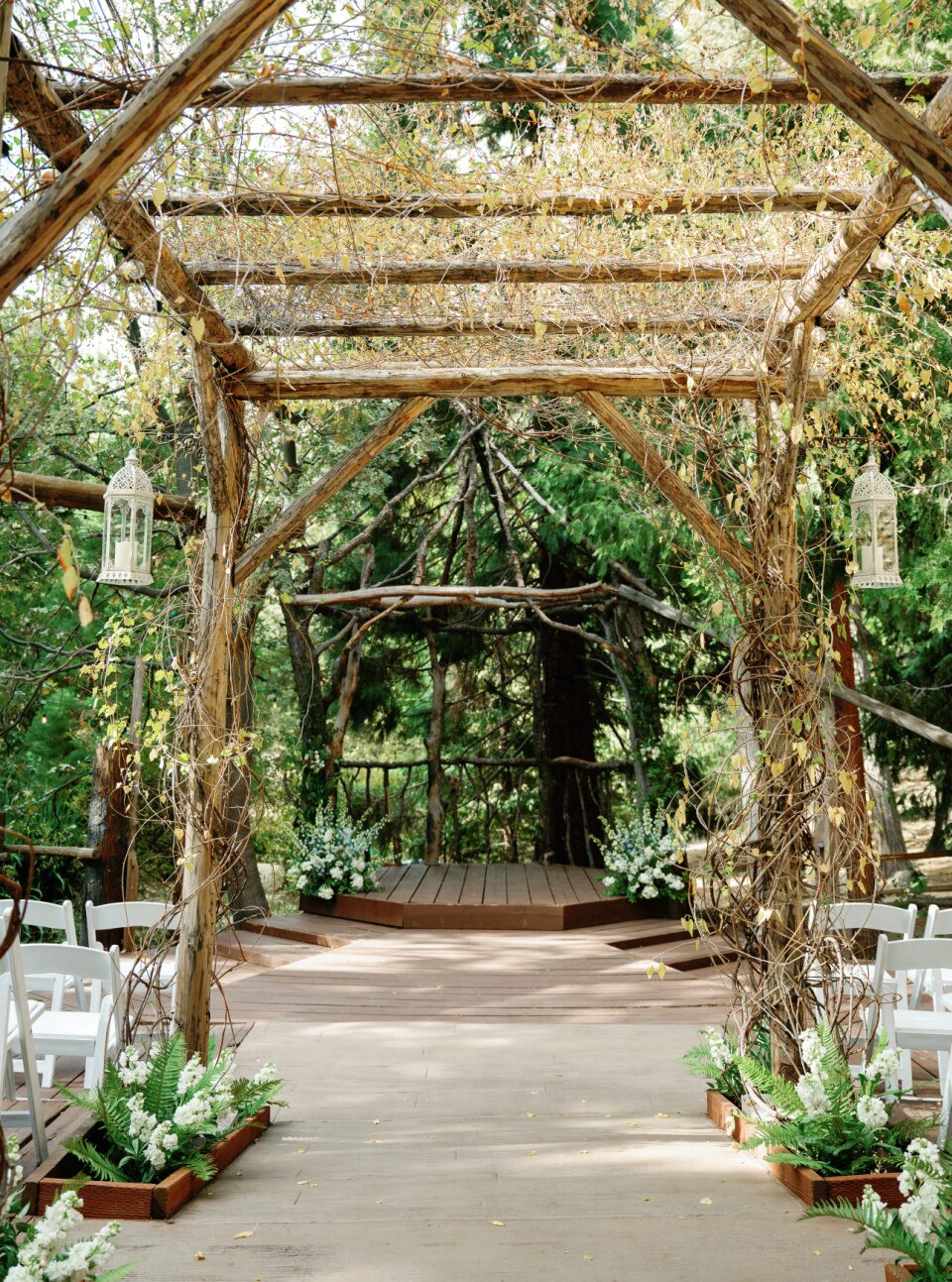
Cultural fusion continues to shape destination wedding inspiration, though it requires careful guidance to ensure thoughtful representation. Rather than blending traditions at the surface level, today’s celebrations focus on approachability, respect, and context.
- Integrating Heritage Through Meaningful Touchpoints
Couples often merge cultural elements through ceremony structures, attire, ceremonial readings, or symbolic rituals. When done with intention, these touchpoints reinforce shared heritage without overwhelming the core structure of the celebration.
- Regional Artistic Collaboration
Working with local artisans and creative partners can deepen the cultural dimension of a destination wedding. From textiles to ceramics to custom installations, these contributions help anchor the celebration in place. Many wedding planners and consultants for weddings in LA and top wedding planners serving Atlanta integrate artisan collaborations into their planning methodology to ensure authenticity.
- Culinary Traditions as Cultural Expression
Food often plays a pivotal role in cultural fusion. Modern destination weddings incorporate regional cuisines with tailored menus that honor tradition while offering a refined dining experience. Tasting menus, paired courses, and culinary storytelling can help guests appreciate the region without feeling overwhelmed.
Exclusive wedding planning services, like Emily Coyne Events, can help understand cultural nuance, manage expectations, and guide couples toward informed decisions.
Curated Travel Experiences for Guests
Guest experience design now extends far beyond transportation and accommodations. High-net-worth travelers expect seamless logistics, thoughtful planning, and access to offerings that reflect the destination in sophisticated ways.
Destination wedding inspiration increasingly includes:
- Personalized Itineraries
Instead of broad group schedules, couples are turning to tailored recommendations. This may include personalized suggestions for activities, dining, wellness services, or private excursions based on guest interests. An itinerary should feel curated, not crowded.
- Concierge-Style Guest Support
Full-service wedding planning services that serve Austin, as well as event planners that serve San Diego, often guide couples through providing elevated guest services. This may include arrival support, private transfers, and direct communication with guests about key information. The goal is clarity without overloading guests with unnecessary detail.
- Thoughtful Welcome Experiences
Welcome experiences have shifted from generic gifts to curated selections that reflect the region. Local culinary selections, regional textiles, or functional travel items can help guests settle in comfortably. These offerings are meant to be practical and aligned with the destination rather than decorative.
- Multi-Day Structure Without Over-Scheduling
While destination weddings often span several days, guests appreciate balance. Many couples now provide one or two structured gatherings and leave the remaining time open for independent exploration. This approach supports relaxation without losing the sense of a cohesive celebration.
Destination wedding services that serve Puerto Vallarta, Austin, Charlotte, Nashville, and LA are skilled in balancing convenience, local insight, and private service to create polished guest experiences.
Immersive Celebration Design: Experiences Over Décor
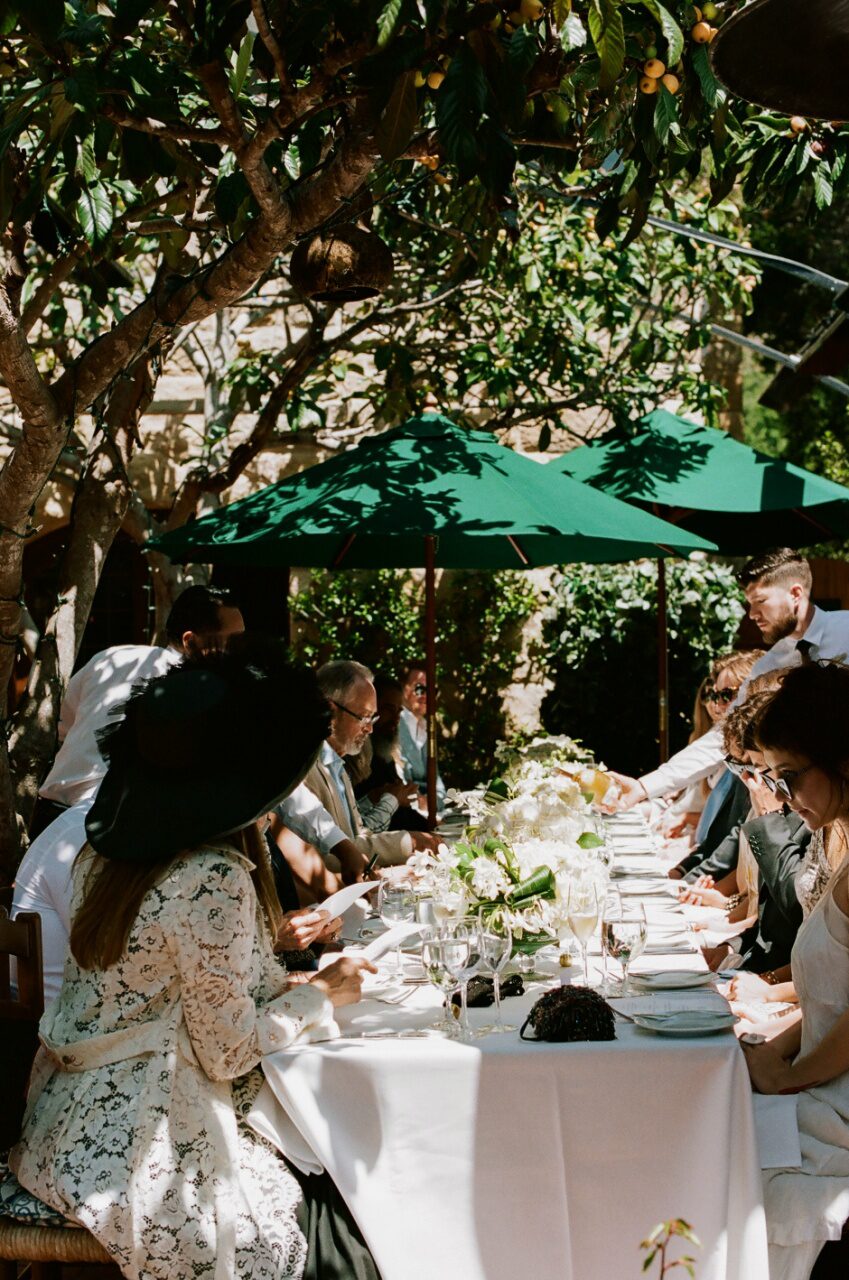
Across global luxury markets, immersive experience design is replacing traditional décor-driven approaches. Couples are more intentional in how they want guests to feel rather than what they want guests to see.
- Spatial Flow and Guest Engagement
Modern event design emphasizes spatial movement: how guests transition between moments, how conversation naturally unfolds, and how different environments support the celebration. This can include subtle shifts in lighting, seating arrangements that encourage interaction, and well-defined movement patterns that avoid crowding.
- Purpose-Driven Installations
Instead of installations created purely for visual effect, couples are requesting design elements that serve a clear function. Examples include:
- A sculptural backdrop that also improves acoustics
- A floral installation that helps define the ceremony space
- A custom bar design that supports rapid service flow
Wedding planners and consultants for weddings in LA and exclusive wedding planning services across the US are guiding couples toward purpose-driven choices rather than ornamental ones.
- Regionally Inspired Material Choices
Material selection plays a significant role in luxury wedding design. Global markets often influence couples to incorporate natural materials, local craftsmanship, or environmentally conscious elements without compromising quality or structure. This may include:
- Locally quarried stone
- Regionally sourced wood
- Artisanal textiles
- Handcrafted tableware
These choices help root the celebration in its location while maintaining a sophisticated tone.
- Sound, Scent, and Light
Immersive design often includes multi-sensory consideration. This can involve curated soundscapes, subtle scent programming, and lighting transitions designed to complement the environment. These decisions enhance guest comfort and reinforce the tone of the event.
Top wedding planners serving Atlanta, along with event planners that serve San Diego, increasingly integrate these sensory planning strategies into destination weddings.
Influence of Global Hospitality Standards
Hospitality shapes much of today’s destination wedding inspiration. As couples explore international destinations, they encounter new levels of service, privacy, and infrastructure that inspire their expectations.
- Elevated Service Structures
Global luxury hotels offer highly trained staff, private concierge services, and operations teams that prioritize guest discretion. These standards influence couples’ expectations for their events, leading them to collaborate with creative partners who can match that level of consistency.
- Architectural Influence on Event Layout
Many international properties are designed with intentional movement patterns, spatial flow, and natural integration. Wedding consultants serving Nashville or full-service wedding planning teams in Austin often help couples select venues that align with these principles.
- Private Experiences Through Hospitality Partnerships
Whether it’s a private terrace, chartered boat, intimate dining environment, or secluded ceremony site, couples increasingly invest in privacy rather than spectacle. Hospitality partnerships can facilitate unique access to spaces typically unavailable to the public.
- Hybrid Indoor-Outdoor Environments
In regions such as Mexico, Southern Europe, and the Caribbean, indoor-outdoor living is central to celebration environments. This approach reduces transitions, supports comfortable mingling, and prioritizes natural surroundings.
Destination wedding services that serve Puerto Vallarta frequently integrate this methodology into event planning and design.
Technology’s Role in Destination Wedding Inspiration
While destination weddings often emphasize natural environments and cultural elements, technology quietly supports seamless planning.
- Virtual Site Visits
Many couples cannot travel to every destination under consideration. Wedding planners and consultants for weddings in LA often use virtual site assessments, digital mapping, and layout simulations to help couples make informed choices before committing to travel.
- Advanced Communication Platforms
Streamlined communication helps manage international timelines, time zones, and creative partner coordination. A structured communication plan ensures clarity without overwhelming the couple.
- Guest Management Platforms
For multi-day experiences, digital tools can help organize travel logistics, accommodations, transportation, and event schedules. These tools reduce stress and support transparency.
- Production Technology in Celebrations
Lighting, sound, and technical production have become far more sophisticated. With the support of top wedding planners serving Atlanta, Austin, Nashville, San Diego, and Charlotte, these components become seamless elements of the guest experience.
Selecting the Right Team for a Destination Wedding
The caliber of creative partners determines the success of a destination wedding. Because these projects involve detailed logistics, multi-day experiences, cultural considerations, and international coordination, couples benefit from specialized support.
- High-Touch Planning Over Coordination Services
Teams that offer exclusive wedding planning services—not coordination services—are best equipped to understand the complexity of destination events. Coordination alone is insufficient when dealing with international venues, customs regulations, guest travel support, and multi-day design needs.
- Expertise in Multiple Markets
Working with wedding planners and consultants for weddings in LA, top wedding planners serving Atlanta, or elite planners serving Austin, Charlotte, and Nashville can help couples navigate global market variations, supplier standards, and regional communication styles.
- On-Site Leadership and Operations
A destination wedding requires on-site management before, during, and after the event. The planning team may oversee installations, transportation logistics, guest support services, timelines, and collaboration with hospitality professionals.
- Ability to Curate a Strong Creative Partner Network
Destination wedding services that serve Puerto Vallarta and event planners that serve San Diego often have an expansive network of international creative partners designed to support sophisticated celebrations.
Sustainability in Global Wedding Design
As sustainability gains prominence across global luxury markets, couples increasingly prioritize environmentally aware decisions without compromising quality or guest experience.
- Local Sourcing
Local sourcing for florals, ingredients, textiles, and materials reduces transportation effects and supports regional artisans. Many top planners now emphasize tailored sourcing strategies based on the destination.
- Reusable Structures
Custom structures and installations can be designed for reuse or repurposing, reducing waste while maintaining a high aesthetic standard.
- Thoughtful Guest Travel Planning
Couples often work with their planning teams to organize group travel logistics, chartered transfers, or efficient transportation routes.
- Mindful Waste Management
Experienced planning services manage waste expectations, coordinate with hospitality partners, and ensure cleanup operations are handled responsibly.
Wedding planners and consultants for weddings in LA and exclusive planning firms serving Charlotte, Nashville, and Austin increasingly offer advisory support in this area.
How Couples Are Personalizing Global Destination Weddings
Couples continue to personalize destination weddings in ways that feel intentional, structured, and meaningful—without becoming overly sentimental or heavily thematic.
- Narrative-Driven Moments
Instead of decorative symbolism, couples often integrate meaningful elements into the ceremony structure, wording, or music selection.
- Selective Design Choices
Personalization may appear in curated dining menus, meaningful cultural references, or experiential transitions rather than ornate décor.
- Thoughtful Guest Interactions
Couples focus on meaningful guest connection rather than large-scale spectacle. This includes intimate seating plans, structured conversation spaces, and intentional pacing.
- Tailored Experiences Aligned with Their Values
Whether prioritizing privacy, culture, cuisine, or guest comfort, couples now frame decisions through a values-driven lens, with guidance from experienced planning teams.
Final Thoughts
Destination wedding inspiration continues to evolve as couples seek experiences grounded in culture, hospitality, design, and thoughtful planning. Rather than focusing on trends alone, the strongest celebrations are guided by purpose, personalization, and respect for the destination. They rely on planning teams capable of balancing logistics, creativity, and global context.
Destination weddings benefit from strategic support—from wedding consultants for weddings in LA to top wedding planners serving Atlanta. At Emily Coyne Events, our expertise helps ensure each celebration is executed with precision, clarity, and continuity.
For couples seeking refined guidance, comprehensive planning, and international expertise, Emily Coyne Events provides comprehensive wedding planning services designed to support sophisticated destination celebrations with clarity and intention. Connect with us today to learn more.