Designing an Indian wedding is an opportunity to bring color, culture, and personal style into every corner of your celebration. As wedding planners and consultants for Indian weddings serving NYC, Miami, Seattle, and other cities, we’ve seen design evolve into something beautifully balanced: timeless rituals wrapped in modern sophistication. The result is a celebration that is visually layered, emotionally meaningful, and thoughtfully curated.
When it comes to Indian wedding decorations, the options are expansive — and the right choices can create a celebration that feels balanced, inviting, and deeply personal. This guide explores how to pair cultural details with contemporary styling, how to rethink color, and how to build décor moments that feel intentional instead of overwhelming. Whether you’re planning a single-day celebration or a full wedding weekend, these ideas will help you shape the atmosphere you envision while honoring the beauty and depth of Indian wedding traditions.
Reimagining Color: Building Palettes With Personality
Color plays a meaningful role in Indian celebrations, and today’s couples are choosing palettes that feel expressive while still honoring cultural significance.
The New Generation of Bright Tones
Vibrant hues are still cherished; saffron, vermilion, fuchsia, peacock blue, emerald, and marigold remain timeless. Modern couples are choosing one or two saturated tones as anchors and supporting them with neutrals or earth-driven hues. This approach gives the space clarity while still preserving the energy Indian celebrations are known for.
Picture turmeric yellow next to soft dove gray, or ruby paired with muted blush. The balance allows color to stand out in a way that feels inviting, and it gives florals, textiles, and lighting room to be appreciated on their own.
Neutral-Forward, Color-Accented Design
Neutral palettes are appearing more often at Indian weddings, especially when a couple prefers a cleaner or more streamlined aesthetic. Cream, ivory, taupe, champagne, and clay tones create a calm backdrop that lets details like brass accents, embroidered fabrics, and candlelit pathways become focal points.
A neutral base does not dilute cultural vibrancy; it reframes it. Even a single accent — marigold blooms, crimson roses, a deep indigo canopy — feels intentional when set against soft, uncomplicated surroundings.
Color Blocking With a Cultural Lens
Color blocking is a contemporary technique that fits beautifully within the Indian design language. Imagine a mandap draped in four solid colors, each representing a family line or cultural reference. Or lounge seating paired in tonal clusters, such as mustard, rose, and rust.
This approach maintains a refined visual identity while celebrating the richness of Indian aesthetics.
The Mandap: Art, Architecture, and Meaning
The mandap is one of the most significant elements in Indian wedding decoration. Today’s designs are balancing structure, symbolism, and style to create spaces that feel both ceremonial and visually cohesive.
Architectural Mandaps
Structural mandaps — crafted from wood, stone-inspired finishes, or metal — are rising in popularity. These designs emphasize clean lines and strong silhouettes. Instead of heavy florals, couples may opt for a curated arrangement of greenery, textiles, or sculptural florals that complement the architectural materials.
This approach works beautifully in modern venues, museums, rooftop spaces, and art galleries.
Floral Mandaps With a Contemporary Twist
Floral mandaps remain beloved, and the styling has become more refined. Along with the traditional approach of covering columns with lush blooms, couples are also choosing:
- Monochromatic floral palettes
- Cascading greenery for movement
- Asymmetric arrangements for a directional look
- Textural combinations (roses + orchids + ranunculus)
These choices create depth while keeping the overall look visually balanced.
Textile-Driven Mandaps
Textiles bring softness, movement, and cultural richness. Silk, organza, handloom fabrics, or block-printed panels can define the mandap using patterns that connect to heritage. Layering fabrics creates dimension while keeping the space light and breathable. Couples are incorporating textiles through:
- Sheer draping that filters natural light for a gentle glow
- Handwoven fabrics that highlight regional craftsmanship
- Block-printed or patterned panels inspired by family traditions
- Mixed textiles (silk + organza + cotton) for depth without heaviness
- Color-layered drapes that shift in tone from ceremony to reception
- Soft fabric ceilings that feel airy while framing the focal point
- Embroidered borders or trims that nod to traditional attire
- Tailored tie-backs and fabric pleating for clean, modern lines
Floral Design: Symbolism, Style, and Modern Structure
Indian wedding decoration features flowers that carry cultural significance, like jasmine, marigold, rose, tuberose, and mogra. Modern floral design blends these traditional blooms with contemporary techniques.
New Floral Forms
Sculptural arrangements, soft organic clusters, and low-profile designs are becoming a popular alternative to towering floral structures. Couples are also bringing in seasonal blooms native to their location, adding a thoughtful local element while still staying connected to cultural traditions.
Garlands With Updated Aesthetics
Garlands — whether varmalas or decorative strands — are essential. Modern pairs are choosing:
- Smaller-scale, refined garlands
- Petal-only designs
- Mixed-material designs with beads, silk flowers, or greenery
This keeps tradition intact while giving the look a lighter, more polished feel.
Marigold Minimalism
Marigolds are symbolic and vibrant, and many couples are using them in a more focused way. For instance:
- A single marigold wall installation
- A marigold entryway
- A ring of marigolds around the ceremony platform
These touches preserve cultural importance while allowing the overall design to feel clear and cohesive.
Textiles: Where Heritage Meets Contemporary Craft
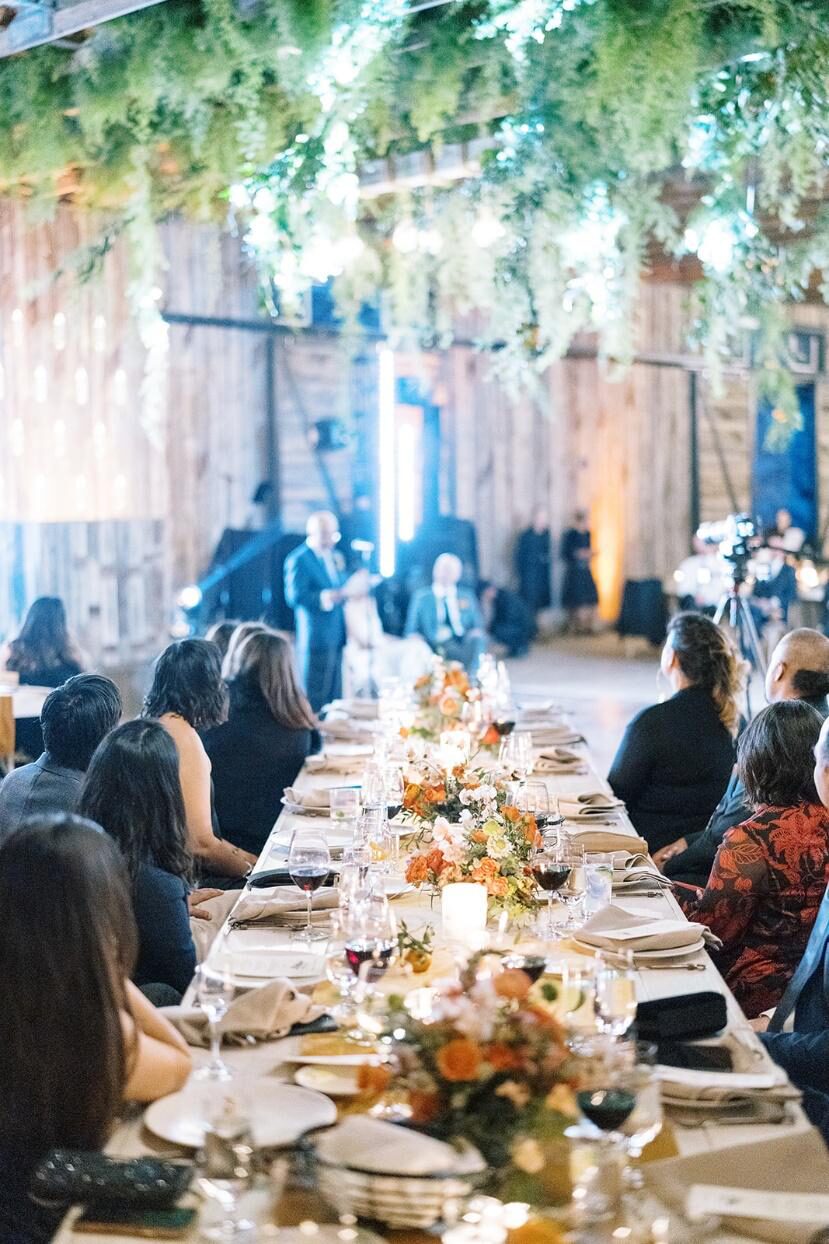
Textiles play a central role in Indian weddings, bringing color, pattern, and a sense of cultural richness into every part of the celebration. They add softness, movement, and warmth while connecting to tradition in a way that feels personal and inviting. As wedding planners and consultants for weddings in Nashville and San Diego, we’ve seen couples use fabrics to create spaces that are lively, layered, and beautifully cohesive.
Mixed Textures That Tell a Story
Couples are blending a variety of fabrics to create visual interest and cultural depth. Common choices include:
- Handwoven silks that highlight traditional craftsmanship
- Chikankari embroidery for delicate texture
- Block prints that reflect regional artistry
- Zari textiles for subtle metallic highlights
- Soft, translucent fabrics that introduce lightness and movement
These textiles can appear in lounge furniture, table runners, canopy structures, napkins, and cushion covers, giving each element a thoughtful, tactile presence that enhances the overall atmosphere.
Patterns That Connect Tradition and Style
Textiles also bring pattern and personality into the design. Couples use meaningful motifs repeatedly across the décor to create harmony and visual flow. Examples include:
- Menu borders or printed pieces
- Dance floor design
- Bar panels or lounge draping
- Mandap canopy or side drapes
This approach builds a cohesive, culturally rooted look while keeping the space feeling light and approachable. When combined with indian wedding decorations, textiles can help tie together all aspects of a celebration—making each moment feel intentional, connected, and joyful.
Regional Fabrics and Local Flair
Couples are also exploring locally made fabrics and regional techniques to add authenticity and sustainability. Handloom weaves, block-printed panels, and artisan-crafted fabrics bring a personal touch while supporting local craftspeople. These choices can frame entryways, accent seating areas, or define the mandap—adding depth and texture.
Lighting That Sets the Mood
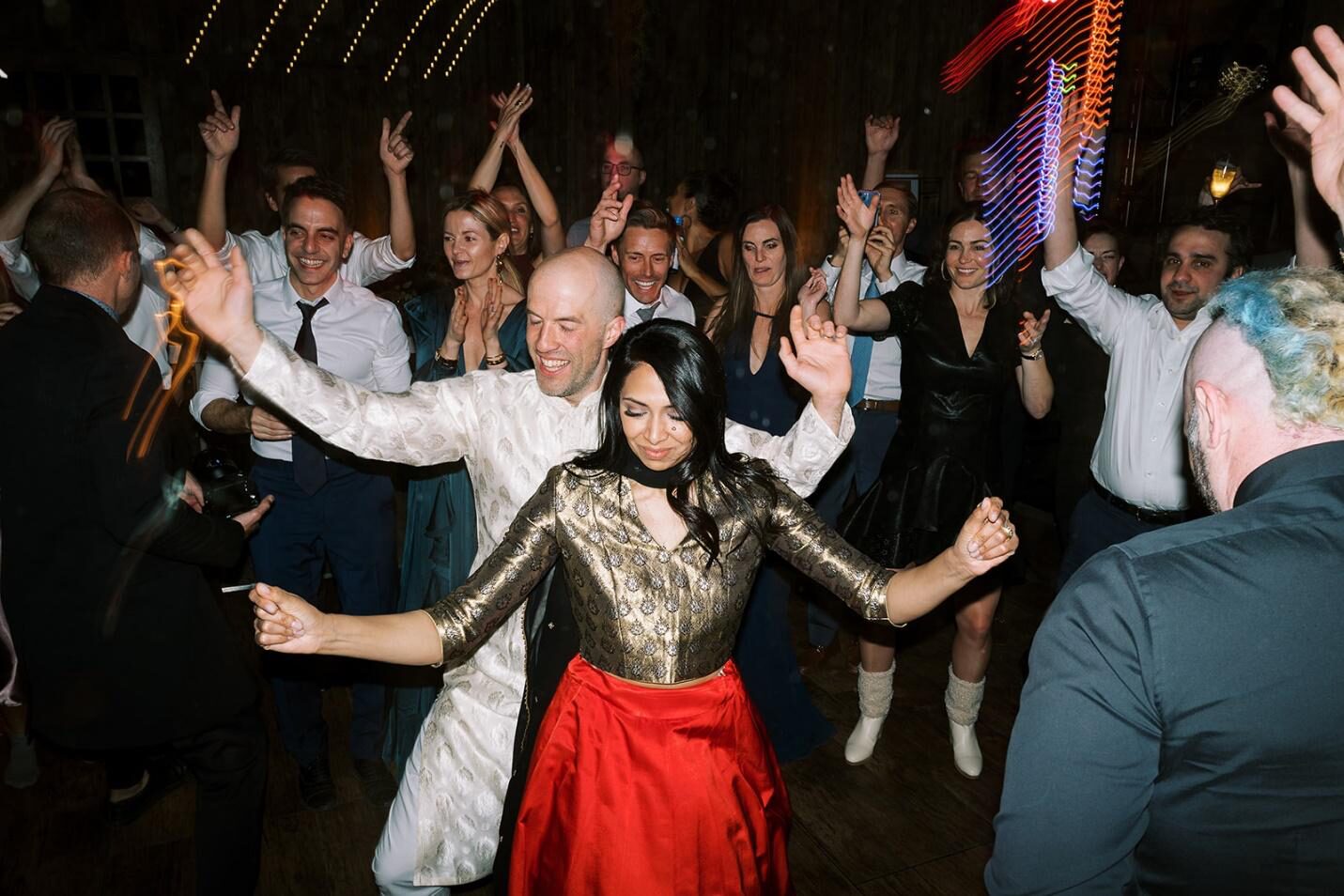
Lighting plays a key role in shaping the atmosphere of any celebration, especially multi-day Indian weddings where moments shift from bright daytime ceremonies to intimate evening events. Here’s how our wedding planners serving Charlotte set the mood with lighting.
Candle-Forward Ambiance
Rows of candles along walkways, clusters at the mandap base, or floating candles around water features create a gentle glow that adds warmth and a sense of movement throughout the space.
Soft, Diffused Washes
Warm amber lighting can wash over reception areas or lounge spaces, enhancing natural tones and making the environment feel inviting and comfortable. These soft washes highlight décor and floral details while keeping the overall energy relaxed and approachable.
Statement Chandeliers and Floral Lighting
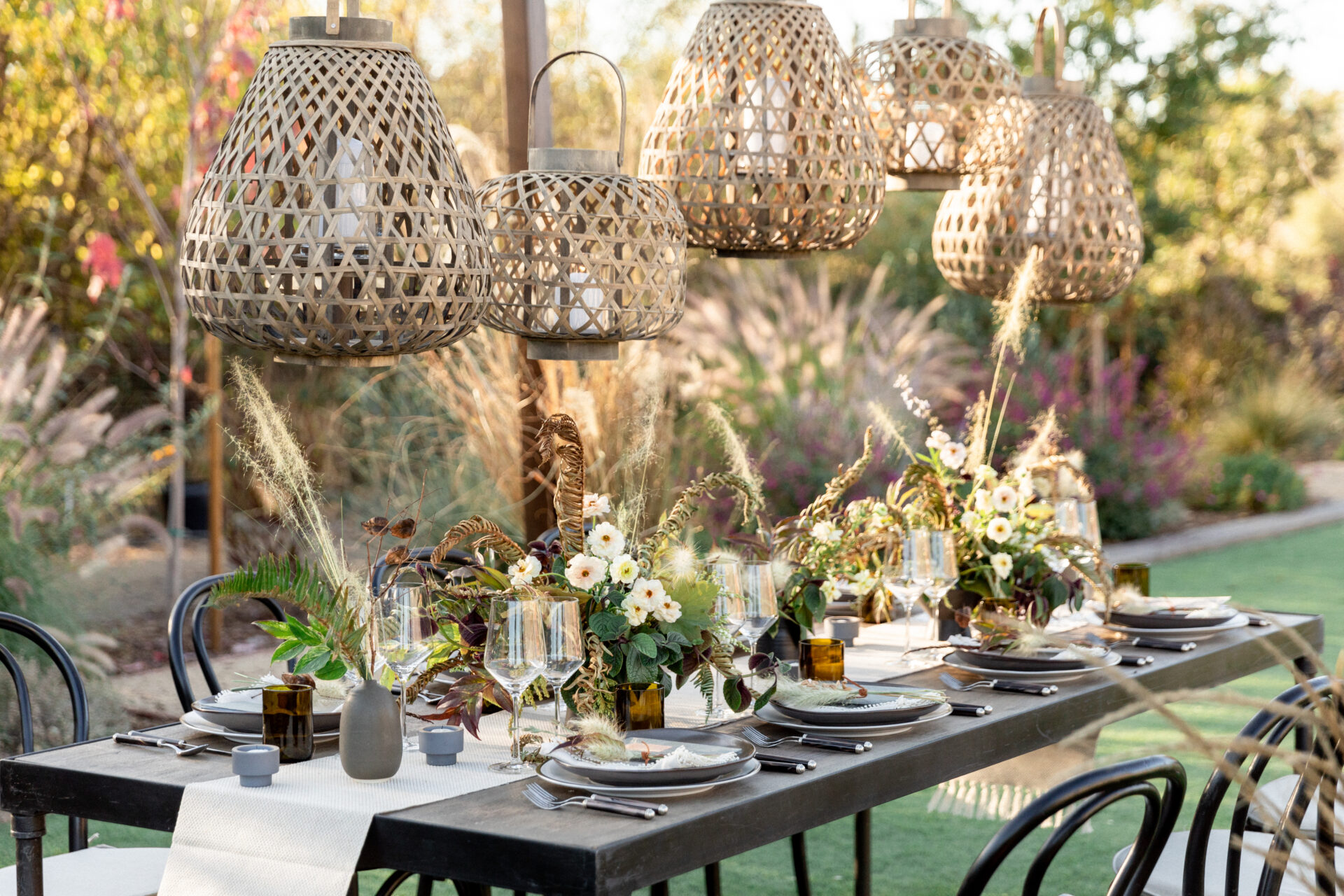
Suspended installations can become sculptural focal points—crystal, woven rattan, brass, or modern geometric forms bring vertical interest without interrupting sightlines. Combined with floral accents, these pieces add depth, texture, and a sense of artistry to the celebration.
Ceremony and Pre-Wedding Event Design
Indian weddings often include multiple events, sangeet, mehendi, haldi, and reception, each with its own aesthetic.
Mehendi: Relaxed, Colorful, and Guest-Focused
Mehendi décor is embracing lounge-style seating, patterned floor cushions, low tables, and interactive touches like chai bars or snack carts. Color remains a key element, and couples often coordinate palettes to feel harmonious and inviting. A wedding planning service that serves Miami, like Emily Coyne Events, frequently incorporates these details to create spaces that encourage socializing and relaxation while complementing indian wedding decorations.
Haldi: Clean, Fresh, and Culture-Rich
Haldi celebrations often highlight marigolds, turmeric-inspired colors, and natural materials such as banana leaves, clay vessels, and simple floral strings. These elements bring cultural meaning into the décor while keeping the space open, light, and approachable.
Sangeet: Elevated Celebration Design
Sangeet design often focuses on creating a cohesive, celebratory environment. Couples bring together a curated palette with elements such as:
- Mirror accents that reflect light and movement
- Soft, low lighting for warmth and intimacy
- A coordinated stage design that complements indian wedding decorations
- Textiles that tie seating areas and décor together
This approach encourages an energetic, social atmosphere while maintaining clarity and flow across the celebration.
Reception Décor: Where Tradition and Contemporary Style Meet
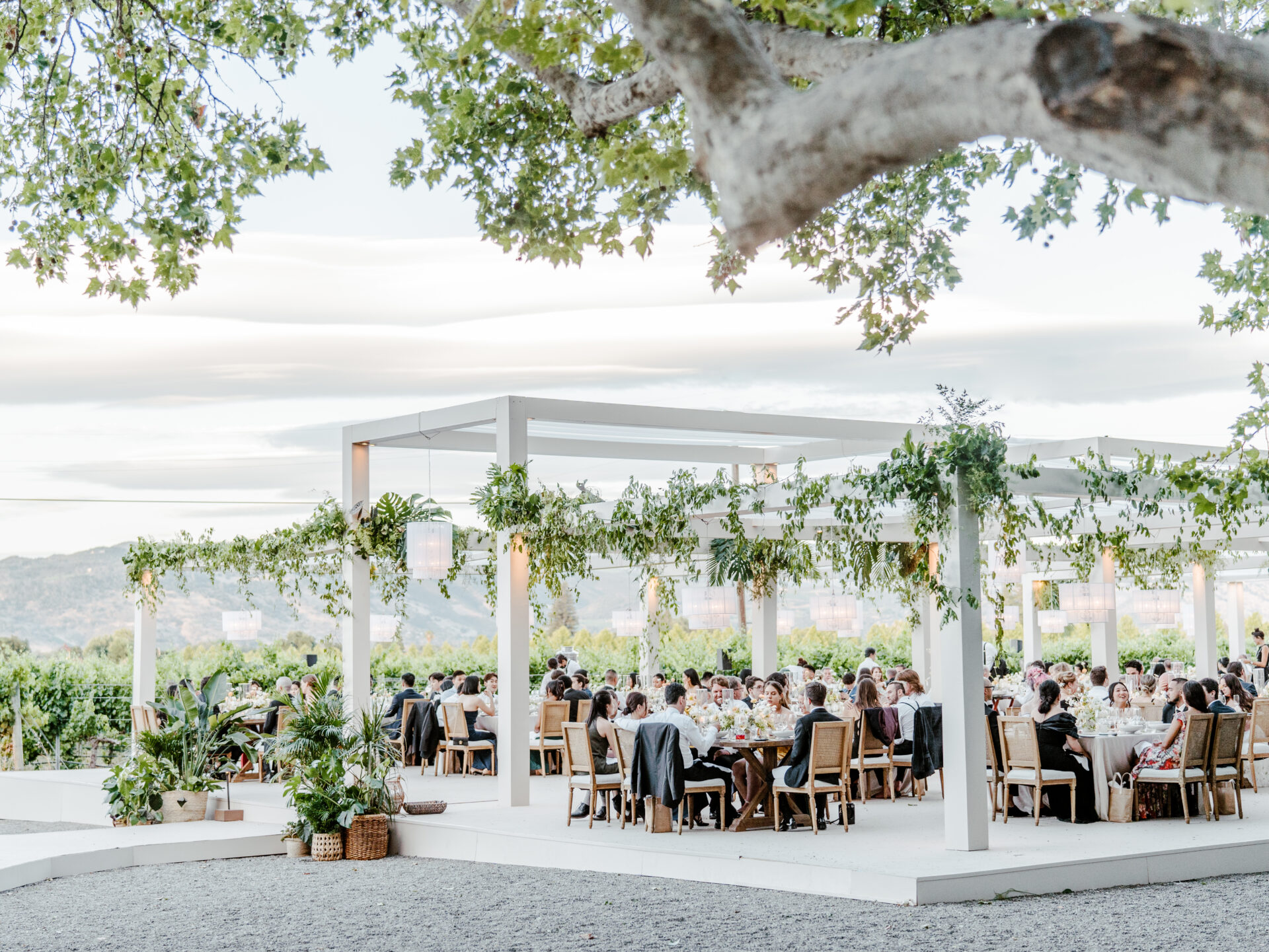
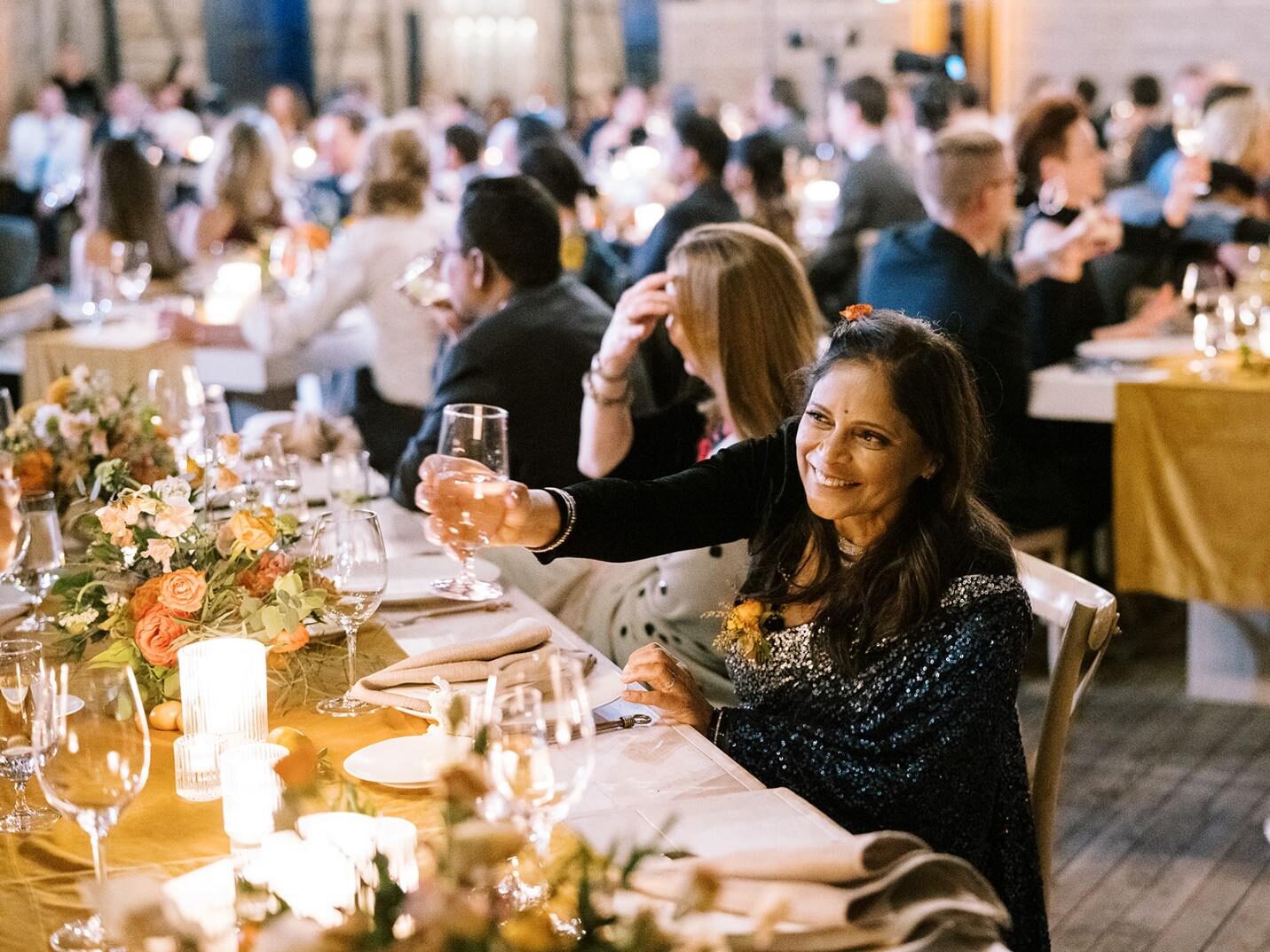
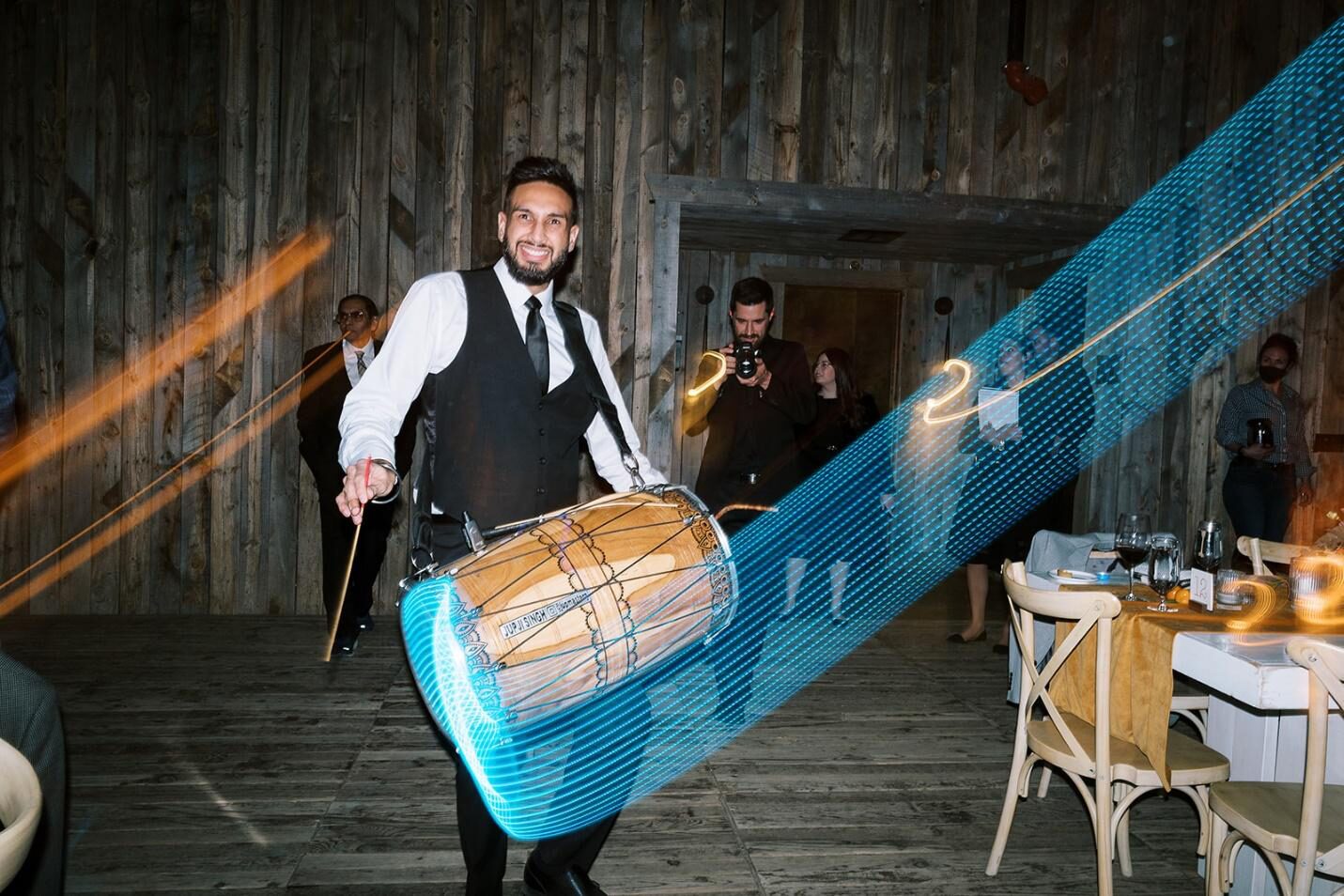
The reception is often where couples bring together modern design with meaningful cultural touches, creating an environment that feels celebratory, inviting, and thoughtfully curated. Our wedding planners help weave symbolic elements into contemporary layouts while highlighting Indian wedding decorations throughout the space.
Tonal Tablescapes
Monochromatic tables with layered textures—such as ivory linens, metallic accents, and greenery-focused florals—create a balanced backdrop alongside the vibrant attire of guests and family. These tablescapes feel polished, approachable, and visually cohesive.
Mixed-Material Tables
Wood, metal, glass, and stone finishes can be thoughtfully paired to add dimension. Brass accents complement natural linens or soft pastel tones, helping each table feel intentional without being visually busy.
Elevated Seating Arrangements
Seating and welcome areas are becoming more sculptural and interactive, offering both guidance and style. Examples include:
- Interactive seating charts
- Floral-lined entry pathways
- Minimalist signage in acrylic, wood, or fabric
These details help guests navigate the space while enhancing the overall flow and energy of the evening.
Cultural Elements Reimagined With a Modern Lens
Indian weddings offer countless opportunities to honor heritage while introducing contemporary touches. Thoughtful design can showcase rituals, symbols, and family traditions in ways that feel approachable and cohesive.
Heritage Objects as Design Anchors
Ancestral vessels, religious artifacts, and family textiles can be incorporated into mandap décor, ceremony tables, and welcome areas, creating subtle connections to history throughout the celebration.
Modern Baraat Touches
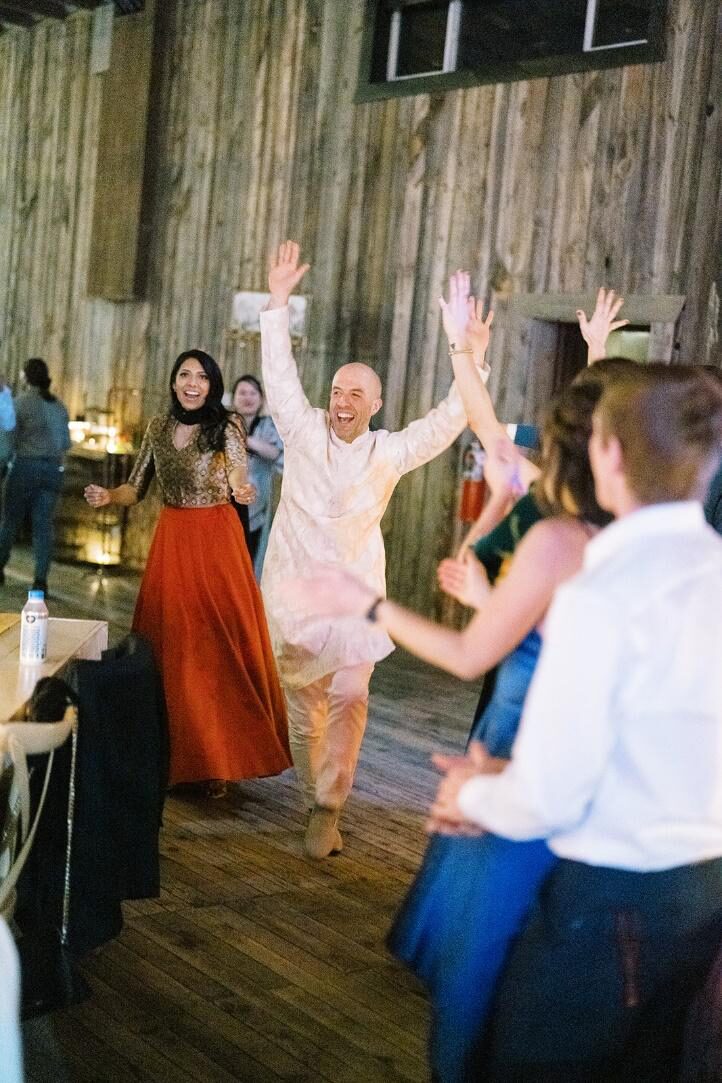
Couples are updating traditional elements like music and attire while maintaining the festive energy. Instrumental versions of classic songs, curated playlists, and coordinated outfits bring polish and flow to the procession without losing excitement.
Fresh Approaches to Rituals
Rituals can be adapted visually while keeping their meaning intact. For example:
- Feras performed under structures inspired by home architecture
- Varmala exchanges taking place inside floral circles rather than on raised stages
These updates maintain significance while offering a visually cohesive and modern presentation.
Personalized Touches That Honor Heritage
Modern Indian wedding decorations can combine cultural details with personal stories, creating a celebration that feels intentional, connected, and approachable.
Family Recipes in the Menu Display
Handwritten recipes, family anecdotes, or regional dish descriptions can be displayed alongside the menu, adding depth and a personal connection to the culinary experience.
Signature Scents
Scent diffusers can highlight different moments of the celebration: jasmine for the ceremony, sandalwood for Haldi, and rose for the reception. These subtle sensory cues help distinguish each event and make the environment feel memorable.
Bilingual or Multilingual Signage
Signage in Hindi, Gujarati, Tamil, Punjabi, or other languages alongside English creates inclusivity and connects guests to the cultural richness of the celebration.
Keeping Décor Cohesive Across Events with Emily Coyne Events
With multiple celebrations throughout an Indian wedding weekend, creating a sense of continuity can enhance the overall experience. A wedding planning service specializing in Indian weddings, like Emily Coyne Events, helps couples establish key design anchors to guide each event while keeping the décor consistent and thoughtful. Our wedding planners and wedding consultants serving Denver, Chicago, Seattle, LA, and other major cities around the country are here to bring your vision to life.
Whether you’re planning vibrant mehendi celebrations, elegant receptions, or culturally rich rituals, we can help every event feel connected, personalized, and effortlessly beautiful. Get in touch today to start designing a weekend your guests will remember.