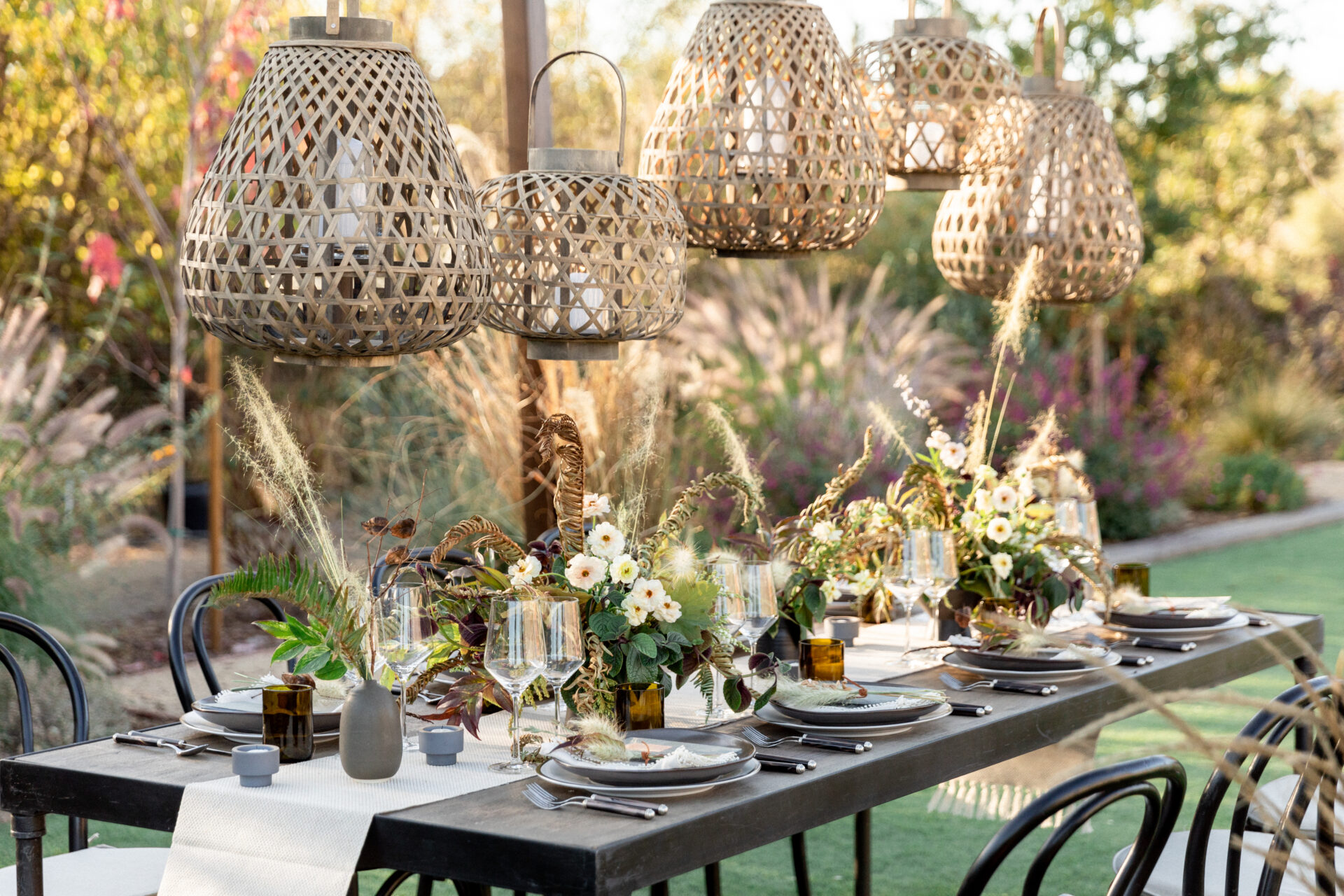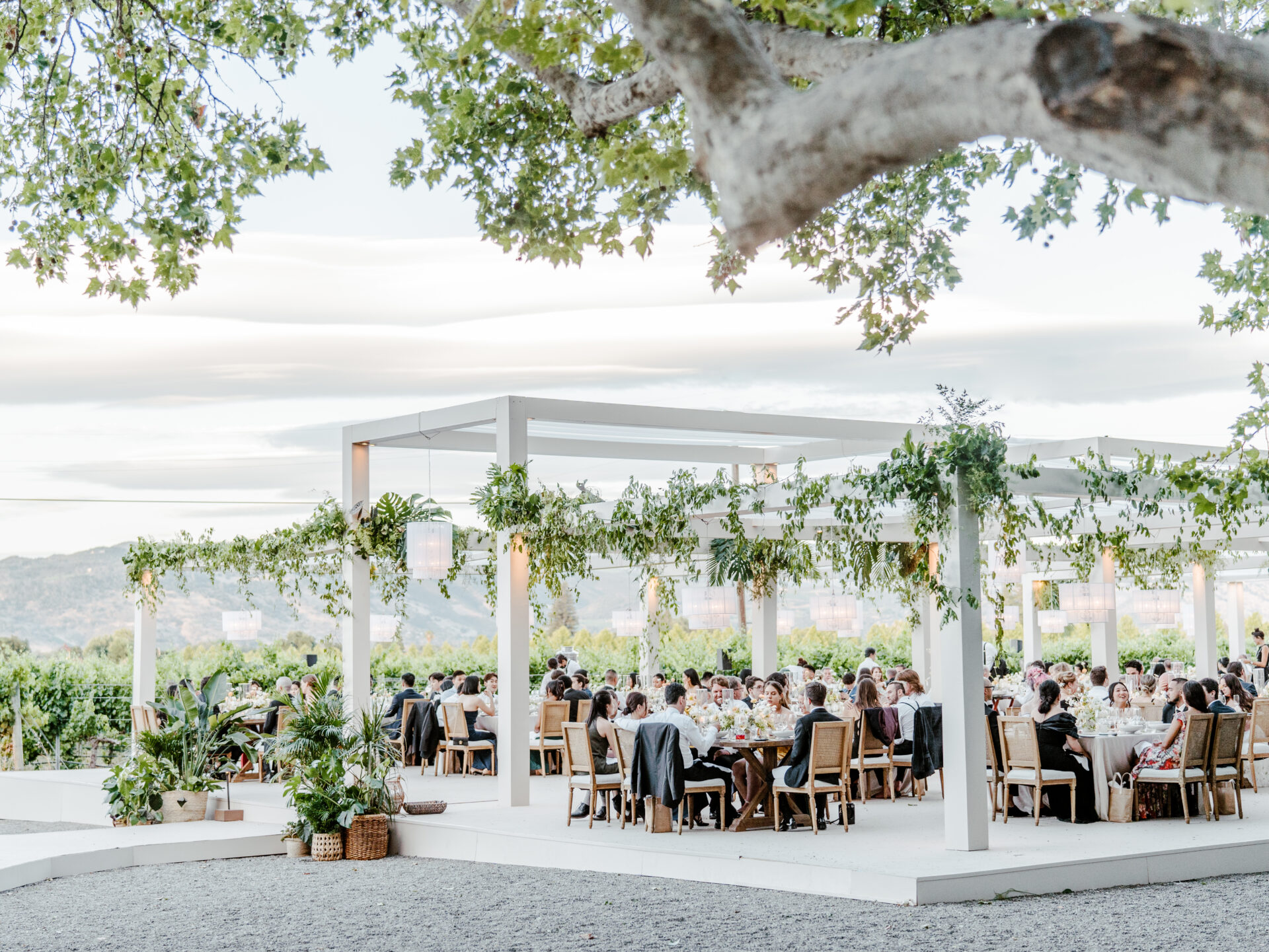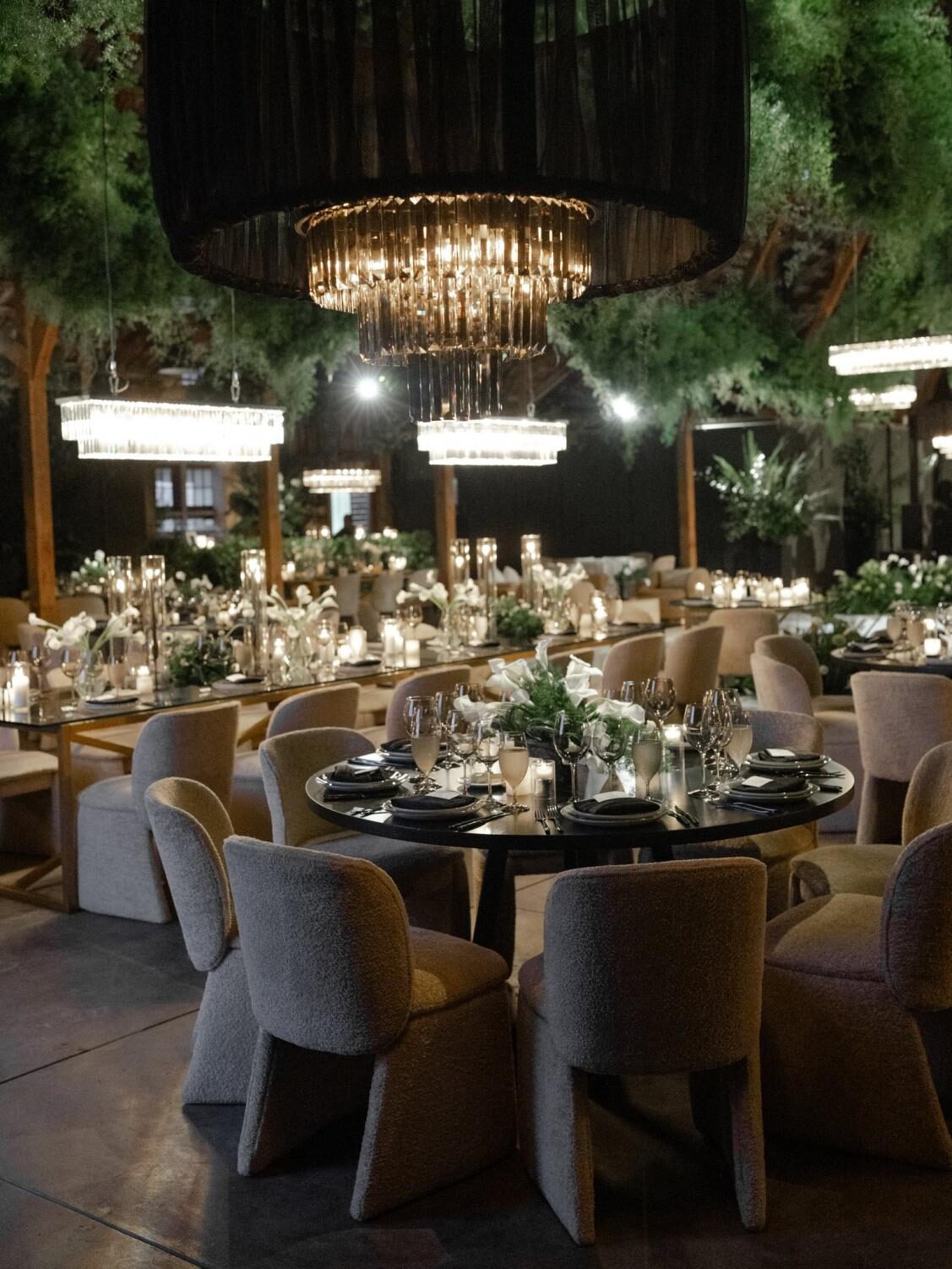
Designing a reception environment that feels intentional, welcoming, and tailored to the venue’s dimensions can significantly influence the guest experience. Strategic layouts can improve flow, highlight architectural strengths, support service logistics, and set the tone for the entire event. Whether the celebration takes place in a contemporary ballroom, an outdoor landscape, or a customized tented structure, thoughtful wedding reception layout ideas can help you shape a setting that enhances comfort and interaction.
For couples working with wedding planners and consultants for weddings in LA or destination wedding services serving Puerto Vallarta, layout design is an early consideration.
The right approach aligns with the environment, amplifies the guest experience, and supports every creative partner involved in the event.
This guide explores layout ideas for various venue types and offers seating strategies designed to strengthen connection and conversation.
Understanding the Purpose of a Reception Layout
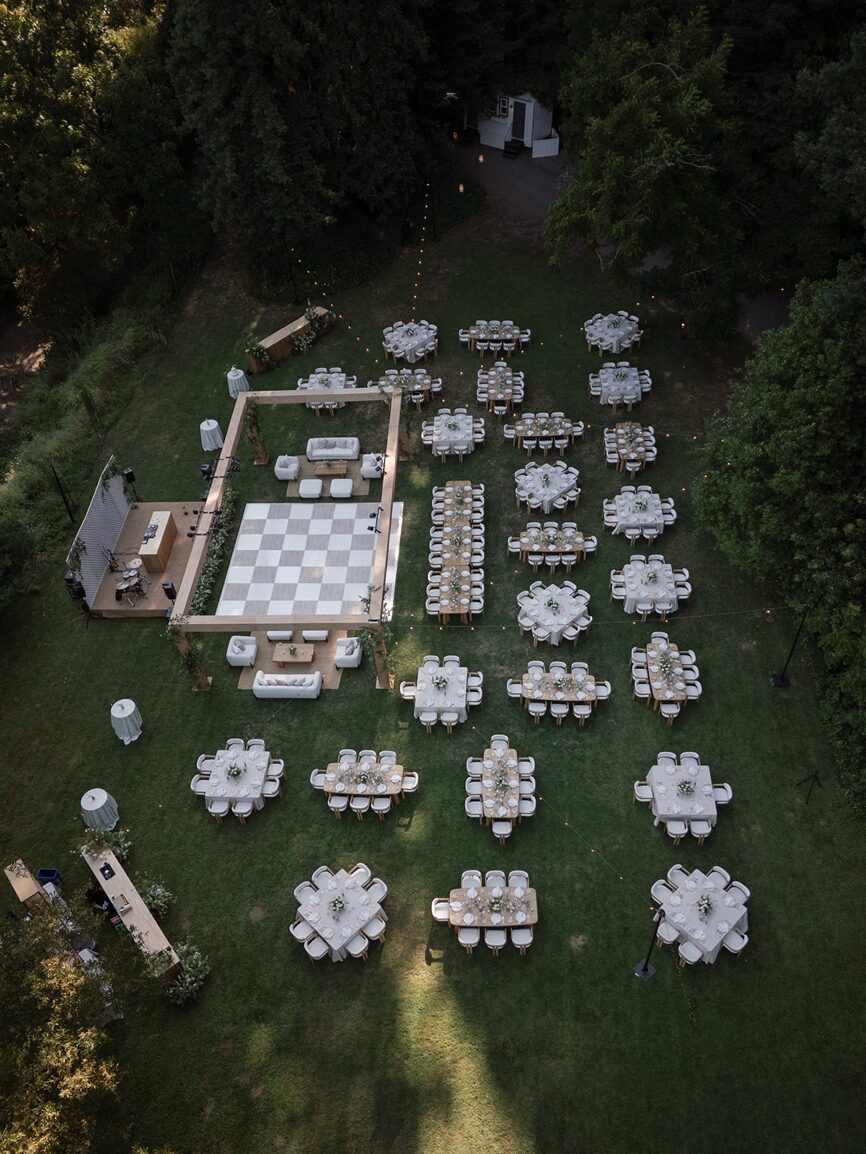
Before narrowing down specific floor plan concepts, it may help to consider what an effective layout accomplishes. Reception layouts are not simply seating maps; they influence movement, comfort, timing, and service. When reviewing wedding reception layout ideas, keep these foundational goals in mind:
- Smooth Circulation: Guests should be able to move between dining, lounge, bar, and conversation areas without congestion. Clear pathways keep the environment comfortable and prevent service delays.
- Visibility: Every guest should have reasonable visibility of toasts, dances, and other planned moments. Strategic table placement can reduce visual obstructions.
- Balanced Activity Zones: The energy of a reception shifts throughout the evening. A layout that positions social areas, bar access, and entertainment zones effectively can help maintain balanced engagement.
- Spatial Efficiency: Whether planning for 50 guests or 300, an intentional layout ensures no section feels overcrowded or underutilized.
Wedding planners and consultants for weddings in LA and full-service wedding planning services that serve Charlotte often emphasize the importance of aligning layout decisions with overall guest experience goals. An exclusive wedding planning service, like Emily Coyne Events, may provide guidance on how environmental factors like lighting, climate, or architectural focal points can shape the final plan.
For wedding planning experts, openness to flexible layouts may be especially helpful due to terrain, weather patterns, or unique site dimensions.
Ballroom Layout Ideas That Elevate the Experience
Ballrooms offer versatility, structured geometry, and predictable spatial boundaries. These characteristics make them ideal for numerous setup styles. Below are layout ideas that help you use square or rectangular ballrooms with intention and finesse.
1. Central Dance Floor with Perimeter Dining
This classic approach supports visibility and balanced energy. The dance floor anchors the room, while dining tables form a perimeter around it.
Why It Works:
- Guests have an unobstructed view of planned moments.
- Service teams can easily access tables without crossing the dance floor.
- The arrangement supports events with active entertainment segments such as live music.
Ideal For:
Couples who prefer a straightforward structure with predictable flow, often recommended by wedding planners, when planning large guest counts.
2. Clusters of Mixed Seating
Instead of rows of identical tables, mixed seating clusters incorporate round tables, long tables, and lounge groupings. This approach creates varied seating options and visually interesting zones.
Why It Works:
- Clusters encourage interaction among guests who prefer different seating styles.
- Lounge seating can support natural conversation before and after dinner service.
- Mixed formats break up the uniformity of a traditional ballroom layout.
Ideal For:
Events that prioritize social connection and flexibility. Full-service wedding planning services that serve Charlotte often use this approach for clients seeking a reception that feels dynamic without being informal.
3. Diagonal Layout
Angling tables diagonally can create a sense of openness and improved sightlines.
Why It Works:
- The room appears more expansive.
- Diagonal orientation naturally redirects movement and reduces bottlenecks.
- Works especially well with ballrooms featuring columns or architectural elements that need to be visually softened.
Ideal For:
Ballrooms with structural limitations or where maximum visibility is a priority—common for large guest counts supported by a wedding planning service that serves Austin, like Emily Coyne Events.
4. Stage-Forward Dining
Positioning the entertainment stage at the far end of the ballroom with dining arranged in forward-facing rows can be especially effective when speeches, live music, or presentations are central to the event.
Why It Works:
- Guests remain visually connected to the focal point.
- It mirrors the structure of a concert or formal gala, without feeling overly rigid.
- Service flow is easy to manage behind seating rows.
Ideal For:
Receptions where entertainment or formal presentations are a highlight.
Outdoor Venue Layouts That Embrace Natural Space
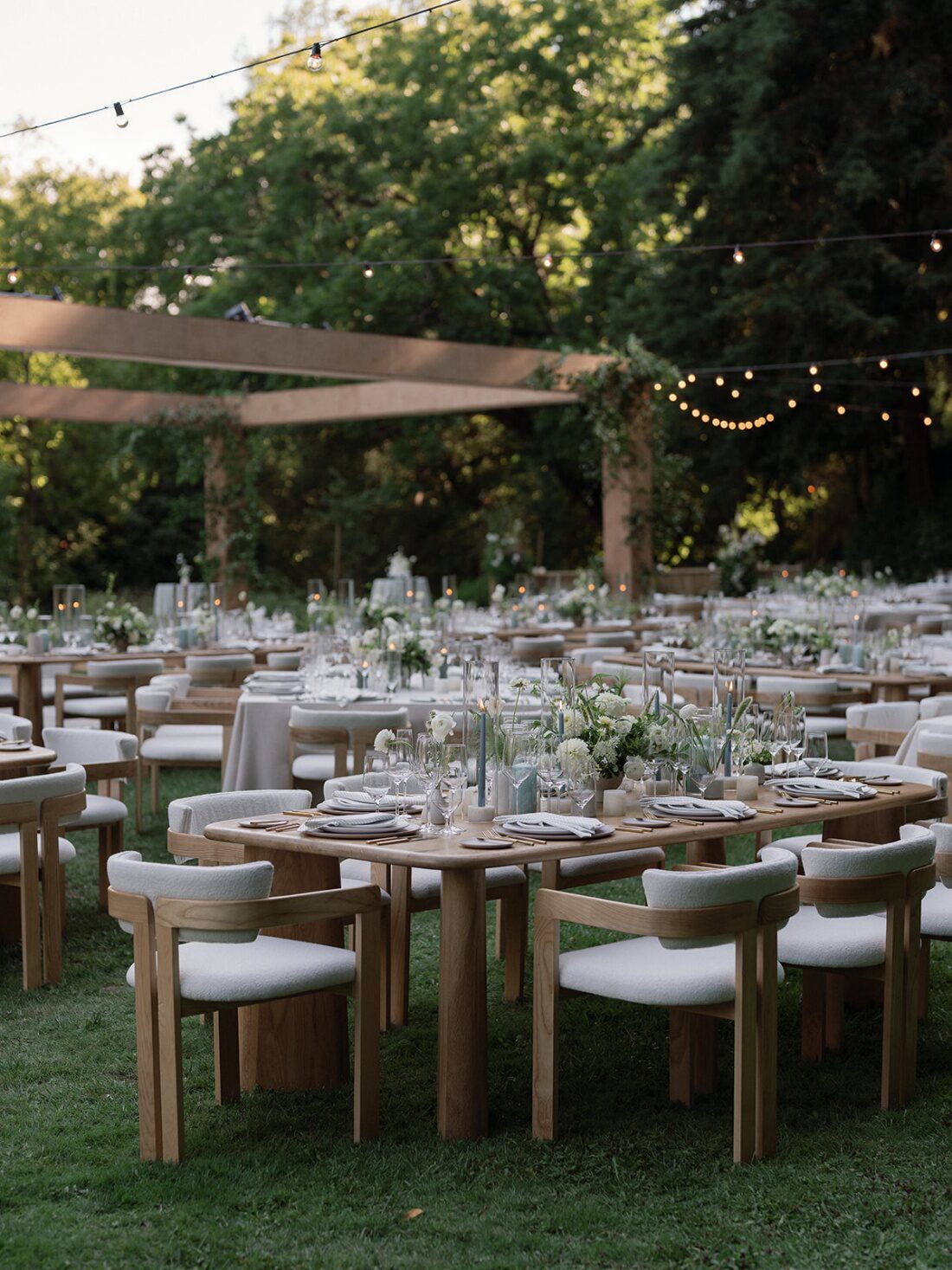
Outdoor venues allow greater freedom with shapes, orientation, and scale. However, they also require thoughtful planning due to wind, natural grade, and lighting needs. Destination wedding planning services that serve Puerto Vallarta often recommend adaptable solutions that account for environmental changes.
1. Zoned Reception Layout
Dividing the space into purposeful zones allows guests to engage comfortably throughout the evening.
Common Zones Include:
- Dining
- Bar
- Lounge
- Entertainment
- Optional beverage or dessert installations
Why It Works:
- Natural surroundings create the backdrop, reducing the need for heavy design.
- Zones help guests understand how the space functions.
- Allows easy repositioning if weather conditions require adjustments.
Ideal For:
Outdoor venues with significant square footage or multiple viewpoints.
2. U-Shaped or Horseshoe Dining Layout
This arrangement centers attention on a focal point—such as a stage, band, or presentation area—while maintaining open sightlines.
Why It Works:
- Creates intimacy even in large outdoor settings.
- Supports conversation by grouping guests in closer proximity.
- Allows for a centralized dance floor or performance space.
Ideal For:
Couples who want balanced visibility without creating rigid dining rows.
3. Scattered Lounge-Forward Layout
In this setup, the reception relies less on formal dining tables and more on distributed lounge vignettes paired with cocktail-height tables and a smaller dining footprint.
Why It Works:
- Encourages natural movement throughout the evening.
- Particularly effective for partial-dinner or chef-driven formats with roaming service.
- Works well in outdoor spaces with unique terrain or scenic overlooks.
Ideal For:
Destination settings supported by destination wedding services that serve Puerto Vallarta or outdoor celebrations guided by a wedding consultant serving Nashville.
4. Linear Dining with Open Ends
Ideal for long, narrow outdoor landscapes, linear dining setups utilize long banquet tables stretched along the length of the space.
Why It Works:
- Creates clean lines and efficient service paths.
- Works seamlessly with lighting installations such as overhead strands or structured lighting trusses.
- The linear orientation encourages guest interaction along both sides of the table.
Ideal For:
Outdoor courtyards, vineyards, rooftops, or waterfront spaces.
Tented Reception Layouts That Maximize Structure and Design
Tented celebrations provide the advantage of a controlled structure combined with creative freedom. Although tents can accommodate traditional formats, they particularly shine when used for multi-zone or sculpted layouts.
1. Multi-Tent Flow
Using separate tents for dining, dancing, and lounge areas creates a progressive experience. Guests naturally transition between environments throughout the evening.
Why It Works:
- Reduces noise spillover between activities.
- Allows distinct lighting and sound design in each tent.
- Encourages movement, keeping energy balanced.
Ideal For:
Events offering immersive experiences, often utilized by wedding planners and consultants for weddings in LA when managing large guest lists.
2. Central Dance Floor with Framed Perimeter
This layout uses symmetrical table groupings around a structured dance floor, often enhanced by lighting features or a raised platform.
Why It Works:
- Well-defined space supports orderly flow.
- Creates strong visual organization within the tent.
- Supports clean photography angles.
Ideal For:
Tents with high ceilings or clear-top structures where visual symmetry is a priority.
3. Long Table Configurations with Side Lounges
Pairing long banquet tables with lounge vignettes along the tent edges allows dining and social activity to blend seamlessly.
Why It Works:
- Side lounges support conversation before and after dinner.
- Banquet tables help maximize space in long tents.
- Visual balance helps prevent the tent from feeling empty at the edges.
Ideal For:
Tents on private estates, vineyards, or coastal properties.
4. Mixed-Use Reception Tent
Rather than separating dining and dancing areas entirely, this format integrates both into one cohesive space.
Why It Works:
- Promotes inclusivity since guests remain in the same environment.
- Works well with contemporary open-flow receptions.
- Allows for streamlined lighting and audio setups.
Ideal For:
Couples who prefer continual visibility and a unified environment.
Seating Strategies That Support Guest Interaction
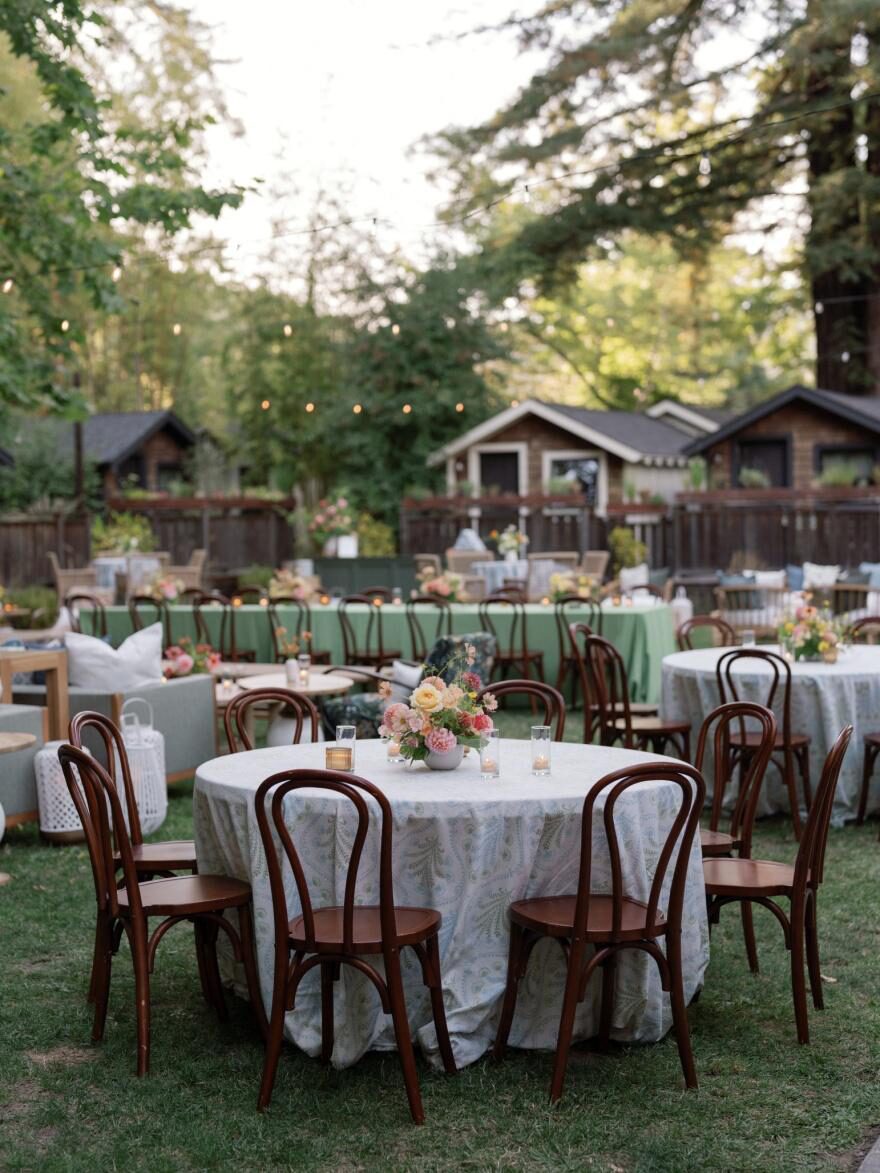
Even with an outstanding floor plan, the seating strategy will significantly influence the atmosphere. Wedding planners and consultants serving LA, Nashville, and Charlotte often review these considerations early in planning.
1. Prioritize Accessibility and Comfort
Each guest should feel accommodated and included. Consider:
- Adequate spacing between chairs for comfortable movement
- Easy access to restrooms, exits, and social zones
- Clear sightlines to focal points
2. Mix Table Shapes Thoughtfully
Round, square, and long tables can coexist harmoniously when placed strategically. Mixing shapes may help:
- Foster varied interaction styles
- Break up large seating areas
- Add dimension to photographs and installation design
3. Use Shorter Rows for Long Tables
Shorter table rows encourage more natural conversation across the table, preventing guests from feeling isolated at the ends.
4. Seat Guests Based on Interaction Preferences
Instead of seating guests solely by relationship, it may be useful to consider:
- Guests who prefer lively conversation
- Guests who value quieter areas
- Guests who may need easier mobility
A wedding planning service that serves Austin, like Emily Coyne Events, often reviews guest profiles to anticipate comfort levels and conversational preferences.
5. Avoid Overcrowding
Maximizing table space rarely enhances the experience. Allow space between tables for comfortable movement and smooth service.
How to Align Floor Plans With Your Venue Type
Choosing the best layout depends not only on the venue but also on guest count, entertainment choices, food service style, and logistical considerations.
For Ballrooms:
- Consider symmetrical layouts for consistency.
- Use lighting to define zones in larger rooms.
- Incorporate mixed seating clusters if you want a less uniform appearance.
For Outdoor Venues:
- Account for wind and terrain when placing lightweight seating or installations.
- Use zoning to break up expansive open spaces.
- Consider lighting early, as outdoor setups require structured illumination planning.
For Tents:
- Evaluate pole placement or support structures when deciding table shapes and orientations.
- Review flooring options that prevent movement issues.
- Consider the relationship between ceiling height and installation elements such as lighting trusses or décor pieces.
Wedding planners and consultants often create multiple layout drafts before presenting a final plan. This ensures all creative partners have clarity and alignment.
How Planning Professionals Support Layout Decisions
Receptions involve numerous details that benefit from expert oversight. A wedding planning service that serves Austin, like Emily Coyne Events, or a wedding consultant serving Nashville, will typically examine:
- Guest count versus venue capacity
- Service team movement
- Bar placement for balanced flow
- Dance floor scale relative to the crowd
- Entertainment requirements
- Seating strategies that minimize congestion
Professionals review layout designs from operational, visual, and experiential standpoints. This multi-layered evaluation is essential when aiming for a polished, cohesive reception.
Final Considerations When Choosing Your Layout
While aesthetic preferences matter, effective layout selection depends on practical, people-focused decisions. Before finalizing a design, evaluate:
- Guest demographics
- The pace of the evening
- How guests will transition between activities
- The number of creative partners who need a designated workspace
- Venue load-in and load-out restrictions
- How lighting, audio, and service teams will interact with the layout
Wedding planners and consultants serving LA and destination wedding services that serve Puerto Vallarta often recommend reviewing the layout alongside entertainment schedules and culinary service plans. These factors support a well-coordinated experience.
Selecting the right wedding reception layout requires intention, spatial awareness, and alignment with the venue’s characteristics. Whether the event is hosted in a ballroom, outdoor space, or tented structure, thoughtful placement of dining areas, social zones, and entertainment features can create a reception that feels comfortable, welcoming, and well-orchestrated.
If you are exploring layout concepts or want expert support in shaping a polished reception environment, Emily Coyne Events provides comprehensive wedding planning services designed to support exceptional experiences with clarity, precision, and tailored guidance. Connect with them today to get started.