The Roaring Twenties introduced an aesthetic that continues to influence design, fashion, and culture a century later. Its crisp geometry, structured silhouettes, metallic finishes, and architectural detail have evolved into elements that many couples still appreciate. When used thoughtfully, these influences can support a polished and cohesive wedding experience—one that feels intentional rather than theatrical.
This guide explores vintage wedding ideas rooted in 1920s design principles, jazz-era social culture, and historically influenced details. Couples can integrate these concepts with subtlety, so the celebration feels current while still carrying a sense of heritage. Throughout the process, collaboration with experienced professionals—such as wedding planners and consultants for weddings in Minneapolis, a wedding planning service that serves NYC like Emily Coyne Events, a wedding consultant serving Philadelphia, or full-service wedding planning services that serve Seattle—can help ensure the execution remains seamless and elevated.
A Modern Approach to Roaring Twenties Inspiration
Drawing inspiration from the 1920s does not require re-creating an old world or staging a nostalgic environment. Instead, the decade can influence elements of structure, materials, rhythm, and ambiance. The aim is to highlight key design moments—clean lines, symmetry, metallic accents, sculptural shapes—while keeping the overall direction anchored in contemporary sophistication.
The 1920s aesthetic is best used as a source of reference, not an overpowering visual statement. Incorporating it through textures, typography, floral selection, entertainment choices, and spatial planning encourages a balanced experience that feels polished from start to finish.
Art-Deco Influences in Ceremony and Reception Design
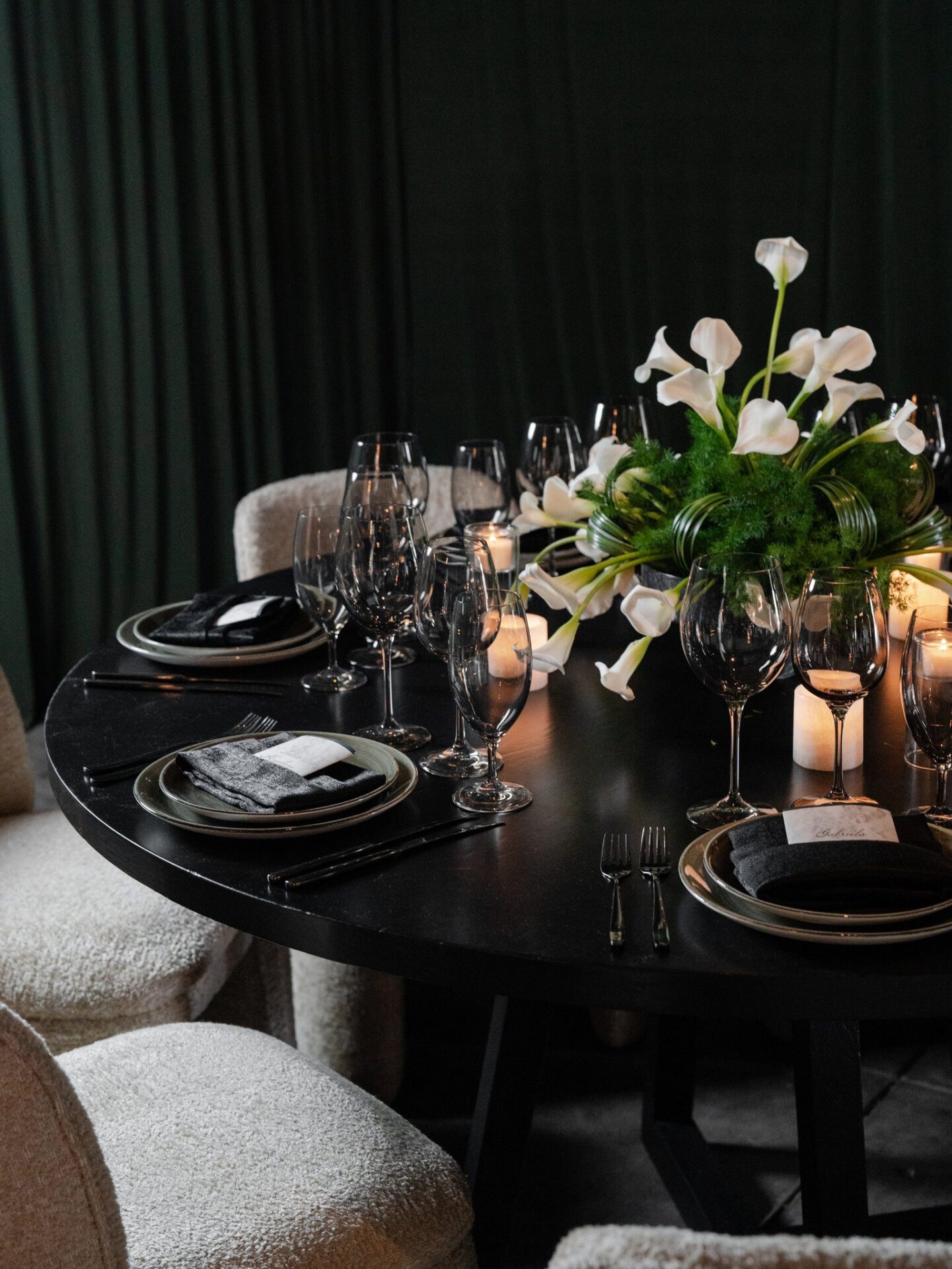
Art Deco design defined the early 20th century. Its geometry, balance, and intentionality translate well into modern celebrations. Below are ways couples can use these influences with subtlety and precision.
1. Geometric Ceremony Backdrops
A structured backdrop can add visual strength without overwhelming the atmosphere. Consider:
- Linear metalwork in brass, jet black, or muted gold tones
- Architectural shapes such as ovals, stepped outlines, or arches with crisp structural lines
- Frosted or smoked glass panels embedded with geometric patterns
These features allow the space to feel anchored, especially in venues with tall ceilings, industrial architecture, or contemporary interiors.
2. Streamlined Aisle Accents
Instead of lush aisle décor, a 1920s-inspired aesthetic benefits from intention and restraint. For example:
- Tall arrangements in monochromatic palettes placed at intervals
- Sleek lanterns or contained lighting features with structured silhouettes
- Deliberate spacing that creates visual rhythm rather than flourishes
This approach keeps the ceremony visually strong and supports the architectural qualities of the venue.
3. Deco-Inspired Reception Layout
Art Deco design values order and symmetry. A thoughtful floor plan can reflect this influence:
- Strategically placed seating pockets to create conversational flow
- Statement pieces—such as a structured bar, sculptural lighting fixture, or patterned dance floor—positioned in alignment
- Value placed on negative space to avoid an overcrowded environment
A well-planned layout requires professional oversight. Wedding planners and consultants for weddings in Minneapolis, a wedding planning service that serves NYC, like Emily Coyne Events, and full-service wedding planning services that serve Seattle can help shape these elements with precision.
Vintage Wedding Ideas for 1920s-Inspired Fashion
Fashion from the Roaring Twenties is instantly recognizable but can be interpreted in modern ways that feel fresh.
1. Contemporary Bridal Silhouettes with 1920s Influence
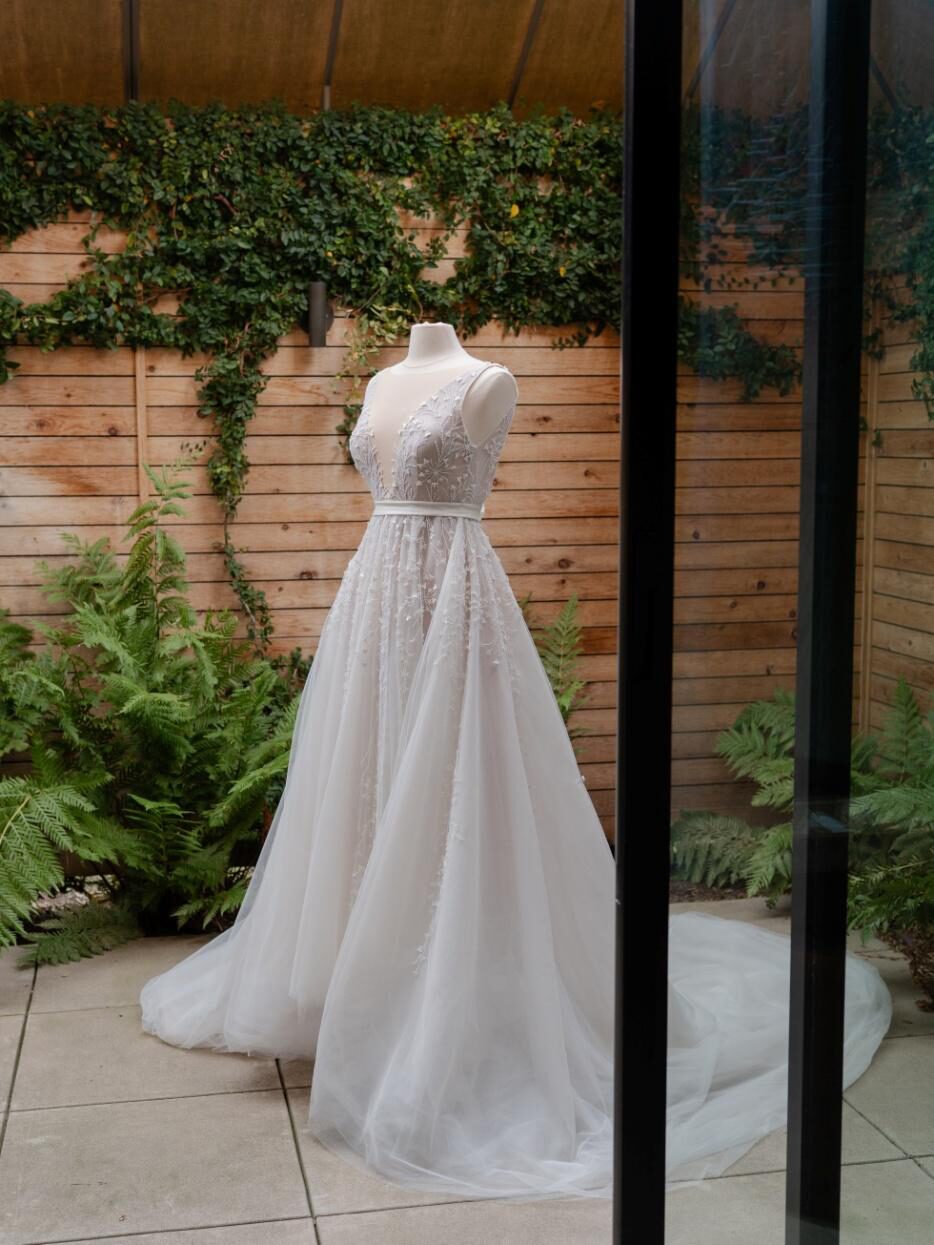
Bridal attire from the era often featured column silhouettes, subtle beading, and intricate craftsmanship. Today, couples may consider:
- Clean column gowns with minimal embellishment
- Structured slip dresses with architectural detailing
- Capelets or streamlined overskirts with geometric beadwork
- Subtle fringe used as a textural accent rather than a theatrical flourish
These pieces feel modern while nodding to the decade’s understated sophistication.
2. Groom and Attendant Looks Rooted in Classic Tailoring
Men’s fashion in the 1920s focused on sharp tailoring and intentional finishing. Consider:
- Peak-lapel tuxedos
- Double-breasted jackets
- Crisp boutonnières featuring single variety blooms
- Polished cufflinks and structured accessories
For attendants, variations in lapel style or fabric texture can create a cohesive but differentiated look.
3. Evening wear-Inspired Reception Attire
Some couples transition into reception attire influenced by vintage eveningwear. Examples include:
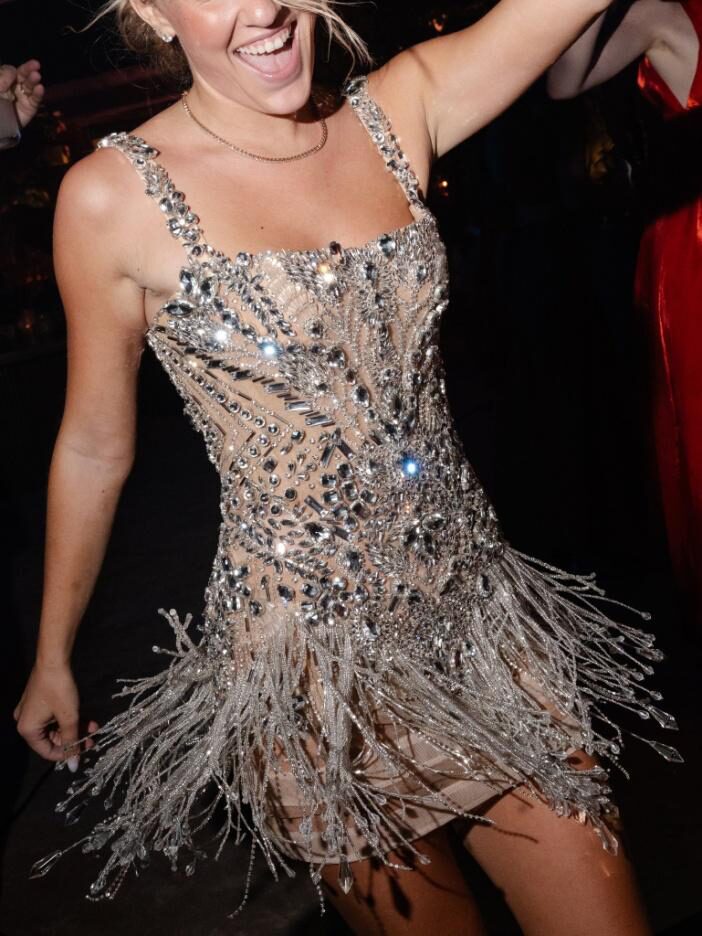
- Beaded gowns with sleek silhouettes
- Satin or velvet details
- Structured hair accessories inspired by the era’s sculptural aesthetics
These choices elevate the guest experience and support the tone of the reception environment.
Jazz-Era Entertainment and Atmosphere
Music and social culture were essential parts of the 1920s. Modern celebrations can incorporate these influences without feeling like a period performance.
1. Live Jazz Ensembles
Live music can introduce depth to the reception experience. A jazz ensemble for cocktail hour works particularly well because:
- It sets a structured, upbeat tone
- The sound is warm and adds dimension without overpowering conversation
- It aligns with the ambiance of the era while remaining appropriate for present-day gatherings
Professional planning teams—such as wedding planners and consultants for weddings in Minneapolis or a wedding planning service that serves NYC, like Emily Coyne Events—can help identify the right creative partners to support this direction.
2. Curated Entertainment Transitions
Rather than one continuous musical style, transitions can enhance the guest experience:
- Live jazz for arrivals or cocktail hour
- A curated DJ or band set for dinner
- A shift to more upbeat, modern selections for dancing
This approach mirrors the pace of 1920s social events without replicating them literally.
3. Subtle Nods Through Performance
If couples want a small theatrical element without overwhelming the experience, consider:
- A short instrumental interlude
- A vocalist performing a curated selection of standards
- A structured dance moment inspired by swing-era rhythm
These additions should be brief, intentional, and well integrated.
Vintage Wedding Ideas for Floral Design
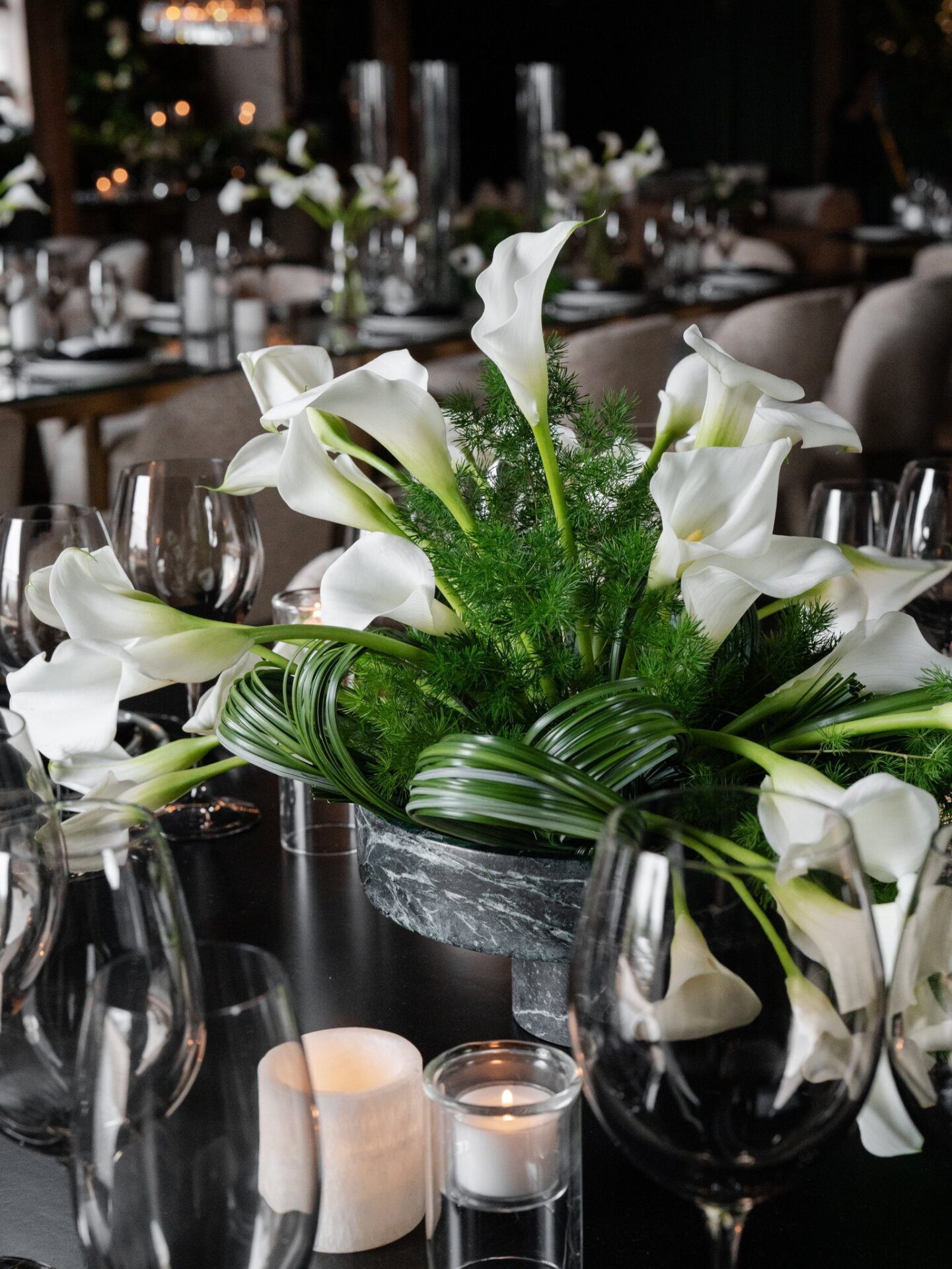
Floral design during the 1920s often featured sculptural arrangements, monochromatic palettes, and refined structure.
1. Monochromatic or Toned-Down Palettes
Single-hue arrangements can support a vintage direction without appearing dated.
Examples include:
- All-white blooms in sculptural shapes
- Deep jewel tones used in controlled compositions
- Greenery minimized to highlight the structure
This approach keeps the visual language cohesive and aligned with 1920s modernism.
2. Sculptural Shapes
Floral arrangements influenced by the decade often avoid overly loose structure. Consider:
- Tall, linear arrangements featuring calla lilies, orchids, or anthurium
- Compact bouquets with a clean, architectural silhouette
- Minimal cascading shapes inspired by early modern floral design
These compositions feel sophisticated and timeless.
3. Metallic and Textural Accents
Rather than overwhelming the design with metallics, couples can incorporate them in small, considered details:
- Subtle metal risers
- Textural vases or sculptural pedestals
- Frosted glass, smoked glass, or black metal accents
These touches pair well with streamlined floral shapes.
Tablescapes Inspired by the 1920s
Reception table design offers opportunities to reference the decade’s aesthetic in a balanced, thoughtful way.
1. Intentional Mix of Materials
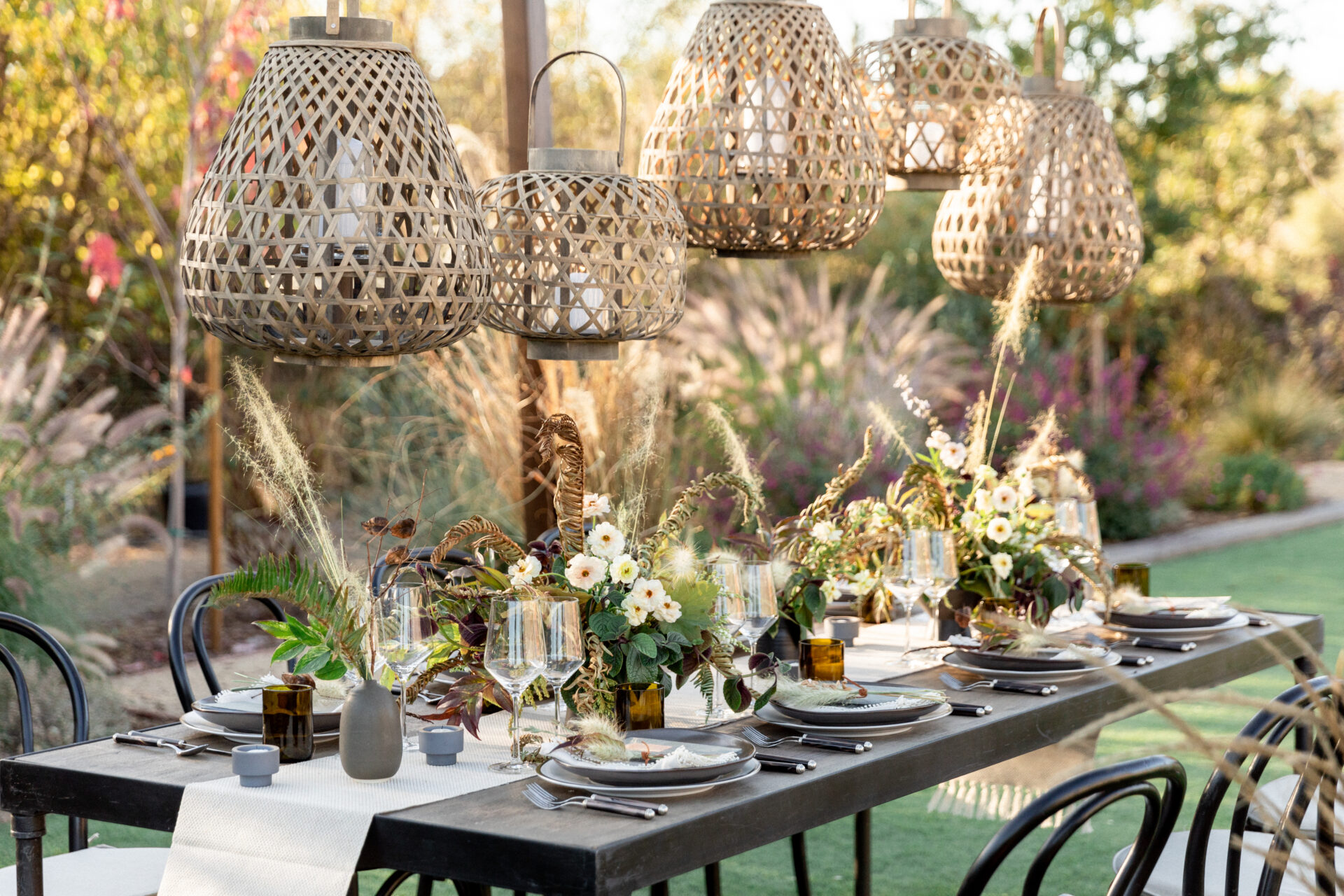
Materials used during the era—glass, metals, polished surfaces—translate well into modern environments. Couples may incorporate:
- Weighted glassware with sculptural shapes
- Chargers or dinnerware with subtle geometric patterns
- Metallic accents used sparingly
These pieces introduce dimension without overwhelming the arrangement.
2. Bold Yet Structured Linens
Textiles can add clarity to the design. Consider:
- Deep, monochromatic tones
- Subtle patterns inspired by Deco geometry
- Crisp, structured textures
This creates visual consistency and helps anchor the table.
3. Streamlined Place Settings
Place settings should remain neat, orderly, and aligned. Options include:
- Minimalist menus with Deco-influenced typography
- Metallic or black cutlery
- Layering that feels clean rather than ornate
This supports the era’s influence while still aligning with modern sensibilities.
Typography, Save the Dates, and Paper Elements
Typography played a major role in 1920s communication design. Couples can incorporate this influence through stationery without overusing Deco motifs.
1. Clean Typeface Selection
Instead of the heavily stylized Deco fonts often seen in historical posters, consider:
- Modern serif typefaces inspired by early 20th-century design
- Balanced sans-serif fonts with crisp angles
- Subtle geometric flourishes rather than full patterns
The result feels timeless and polished.
2. Structured Layouts
Layouts should emphasize alignment and spacing:
- Strong margins
- Clear hierarchy
- Minimalist blocks of text
This approach blends vintage inspiration with contemporary precision.
3. Materials and Finishing
Paper goods can incorporate:
- Foil stamping used sparingly
- Textured stock that enhances the tactile experience
- Subtle metallic edging
These elements complement geologic-inspired décor and floral design.
Venue Selection That Supports the Aesthetic
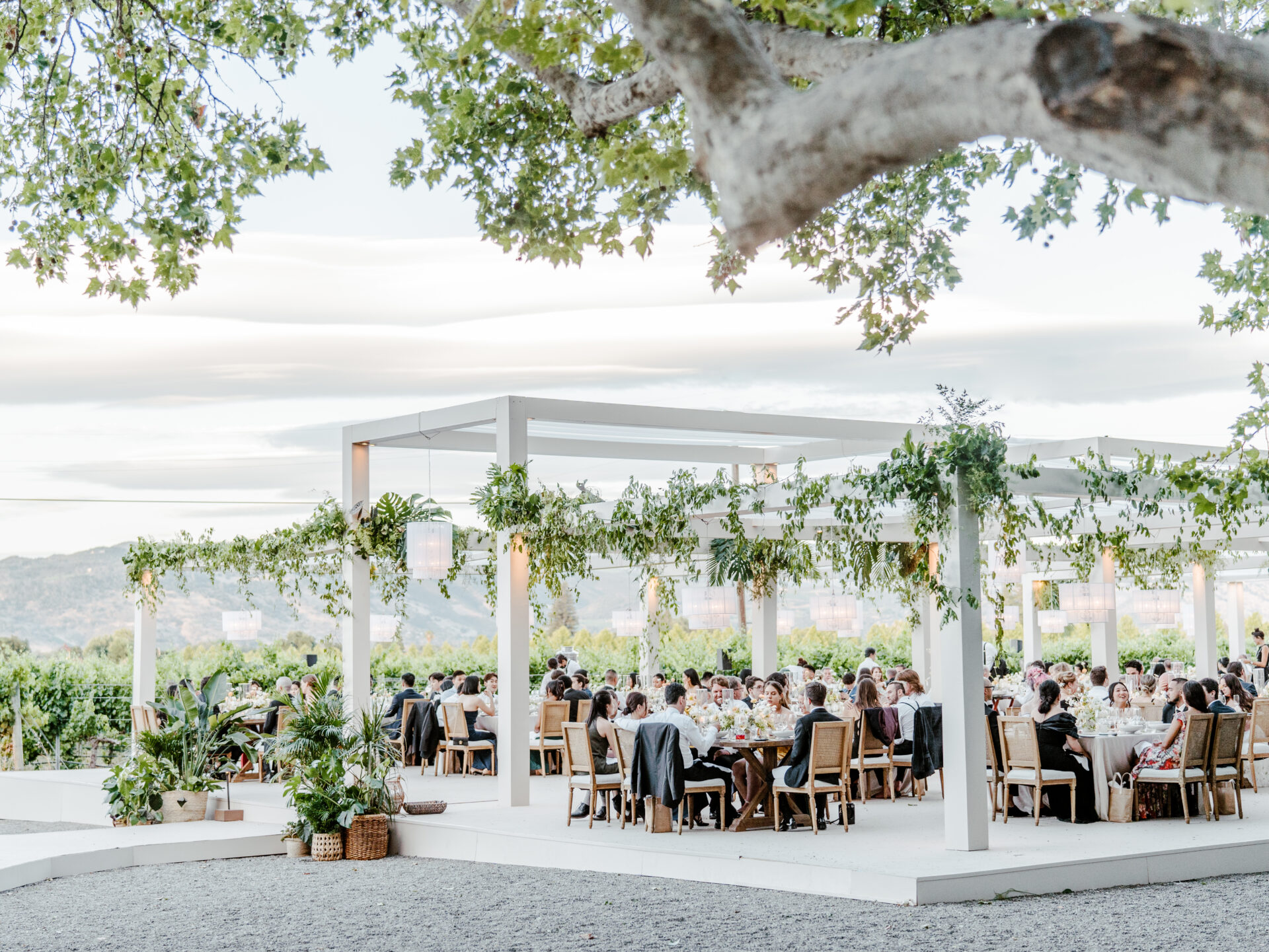
Couples do not need a historically significant building to introduce 1920s-inspired elements. The key is choosing a space with architectural clarity.
1. Industrial or Architectural Spaces
Spaces with tall ceilings, metalwork, or geometric windows can pair well with vintage wedding ideas. They allow structured décor to feel at home without overwhelming the environment.
2. Contemporary Galleries or Museums
Clean, open spaces balance well with 1920s-influenced design. They allow geometric patterns and metallic accents to become statement elements without creating visual clutter.
3. Historic Hotels and Buildings
Some historic hotels have preserved architectural features from the era. When paired with modern décor, these spaces create a sense of continuity rather than replication.
Professional guidance from a wedding planning service that serves NYC, like Emily Coyne Events, wedding planners and consultants for weddings in Minneapolis, a wedding consultant serving Philadelphia, or full-service wedding planning services that serve Seattle can help determine which environments have the right structural qualities.
Lighting Concepts Inspired by the Era
Lighting was a defining element of 1920s design. It can set the tone for both the ceremony and reception.
1. Layered Lighting
Consider a combination of:
- Pinspotting to highlight key architectural or floral elements
- Warm, diffused lighting to create depth
- Metallic or geometric fixtures that reference Deco shapes
This creates an inviting, structured atmosphere.
2. Statement Installations
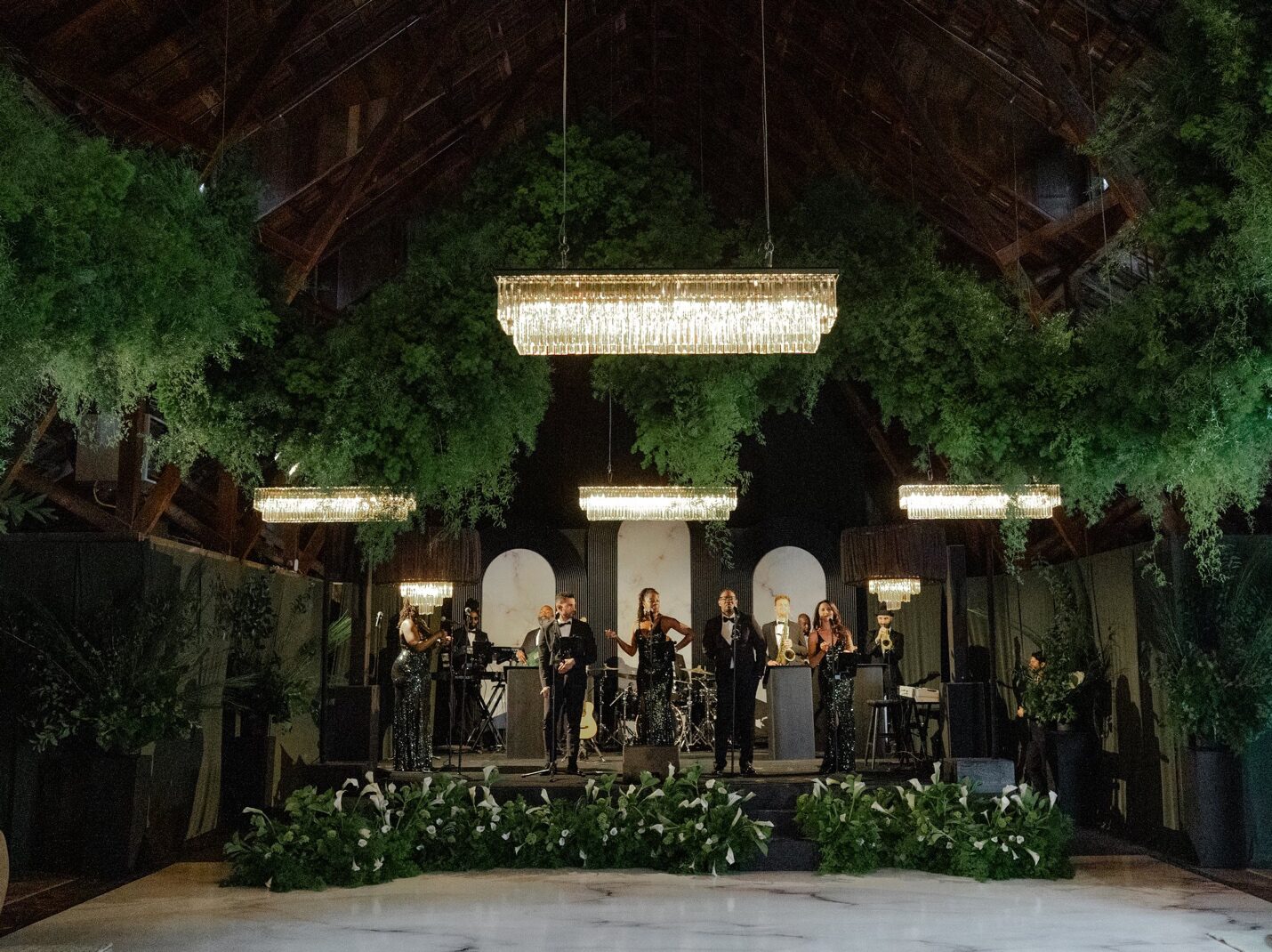
Sculptural chandeliers or geometric pendants can serve as focal points when used strategically.
3. Candlelight in Controlled Groupings
Rather than spreading candles across all tables, place them in structured clusters. This reflects the era’s preference for rhythm and repetition.
Beverage and Culinary Experiences with Historical Influence
Food and beverage service can subtly reference the 1920s without turning into themed presentations.
1. Signature Cocktails with Historical Roots
Classic cocktails from the era remain popular today. These might include:
- Old Fashioned variations
- Gin-based cocktails
- Champagne cocktails with minimal embellishment
Presentation should remain sleek and coordinated with the bar design.
2. Structured, Modern Plating
Culinary teams can create menus that feel contemporary but are influenced by historical technique. Structured plating and polished presentation align well with the design direction.
3. Champagne Service
A contemporary approach to Champagne—such as a modern tower with clean lines or structured pour moments—offers a nod to tradition without feeling theatrical.
Guest Experience Rooted in 1920s Social Culture
The Roaring Twenties emphasized socializing, movement, and interaction. Couples can bring aspects of this culture into their celebrations through intentional planning.
1. Conversation-Driven Layouts
Strategically placed lounges encourage guests to interact. Furniture with structured silhouettes—such as clean-lined sofas or velvet seating—can support this direction.
2. Thoughtful Pacing of the Event
The 1920s were known for social gatherings with dynamic pacing. Incorporate:
- A strong welcome moment
- Transition points anchored by entertainment
- A dining experience that supports conversation
Professional guidance ensures these transitions feel natural.
3. Subtle Period References
Small touches can offer nostalgia without slipping into theatricality, such as:
- Vintage-inspired photo backdrops with geometric patterns
- Curated playlists that balance jazz with contemporary selections
- Thoughtfully written signage using 1920s-influenced typography
Each element should contribute to the overall experience rather than stand alone.
Bringing It All Together with Professional Planning
Integrating 1920s influences requires careful balance. Too many literal references can feel staged, while too few may dilute the concept. This is where comprehensive planning becomes essential.
Working with wedding planners and consultants for weddings in Minneapolis, a wedding planning service that serves NYC, like Emily Coyne Events, a wedding consultant serving Philadelphia, or full-service wedding planning services that serve Seattle ensures that each detail aligns with the overall vision. These teams focus on full-service planning rather than coordination, enabling them to shape every element of the celebration with intention.
A professional planning team can help couples:
- Evaluate which vintage wedding ideas complement their overall direction
- Select creative partners who can execute historically influenced details with precision
- Maintain balance between 1920s inspiration and modern relevance
- Ensure that the guest experience feels cohesive and thoughtfully paced
- Oversee design, production, entertainment, and logistics from start to finish
With the right strategy, inspiration from the Roaring Twenties becomes a guide for structure, tone, and design—not a literal recreation of the past.
If you want to explore vintage wedding ideas with precision, depth, and a focus on alignment rather than replication, consider partnering with a planning team that approaches every decision with intention.
Emily Coyne Events provides comprehensive wedding planning services, ensuring that each element—from design to guest experience—is shaped with the highest level of care and expertise.