Planning a celebration that truly welcomes every guest requires intention, awareness, and thoughtful design. As conversations around accessibility continue to evolve, couples and their creative partners are placing greater emphasis on creating an environment where all attendees can move, participate, and connect with ease.
This shift has led many couples to explore inclusive wedding ideas that center on comfort, safety, and meaningful engagement for every individual in the room. A wedding planning service that serves Miami, like Emily Coyne Events, often helps couples navigate these considerations with clarity and care, ensuring each component of the celebration is both thoughtful and functional.
Accessible and inclusive planning is not simply a courtesy; it can shape the entire experience. From a guest using a mobility device to a family member with sensory sensitivities, a well-considered approach ensures that everyone feels acknowledged.
Whether a couple is working with wedding planners serving Charlotte, Nashville, New York, Los Angeles, San Diego, or beyond, accessibility remains a universal priority.
Below, we explore how couples can approach accessibility and inclusion as early planning pillars, and how intentional choices can transform a celebration into a welcoming, thoughtfully curated event.
Why Accessibility Matters in Modern Wedding Planning
As more couples look to align their celebrations with their values, accessibility has become a foundational topic, not a last-minute add-on. Weddings often bring together individuals across generations, backgrounds, and abilities. By making accessibility a guiding principle from the outset, couples foster a comfortable, dignified experience for all attendees.
Inclusive planning also alleviates stress for guests who might otherwise feel hesitant about navigating an unfamiliar venue. When guests can see that accommodations have been anticipated, whether through accessible pathways, quiet spaces, interpreters, or menu adjustments, they can participate more freely.
Celebrations today involve the collaboration of multiple creative partners, including professionals such as a wedding consultant serving Charlotte, Denver, Seattle, or beyond, all of whom can help couples incorporate inclusive practices into every stage of the event. The more aligned the team is, the more seamless the guest experience becomes.
Evaluating Venue Accessibility from the Start
Venue selection plays a central role in creating an accessible celebration. Early walkthroughs should include practical considerations that directly impact mobility and comfort. Couples may also lean on a wedding planner for luxury events to help assess whether a venue meets the needs of their guest list.
Key questions to consider include:
Are entrances and pathways wheelchair-friendly?
Look for unobstructed entries, ramps, and wide doorways. Paved paths or smooth surfaces can be beneficial for guests using wheelchairs, walkers, or strollers.
Is there step-free access to all major spaces?
Ceremony locations, cocktail hour areas, and reception rooms should ideally be connected without stairs or uneven flooring.
Are restrooms equipped for guests with mobility needs?
Accessible restrooms with handrails, open space for turning radius, and clearly marked signage can significantly improve usability.
Are parking and drop-off zones easy to reach?
Convenient, level parking areas and a safe passenger drop-off zone help ensure a smooth arrival experience for guests with mobility limitations.
If a couple is working with a wedding planner, they can help coordinate accommodations with venue management, confirm compliance details, and arrange enhancements where needed.
Considering Seating Arrangements with Accessibility in Mind
Seating is one of the most visible areas where inclusion can make an immediate impact. Couples can consider:
Flexible Seating Layouts
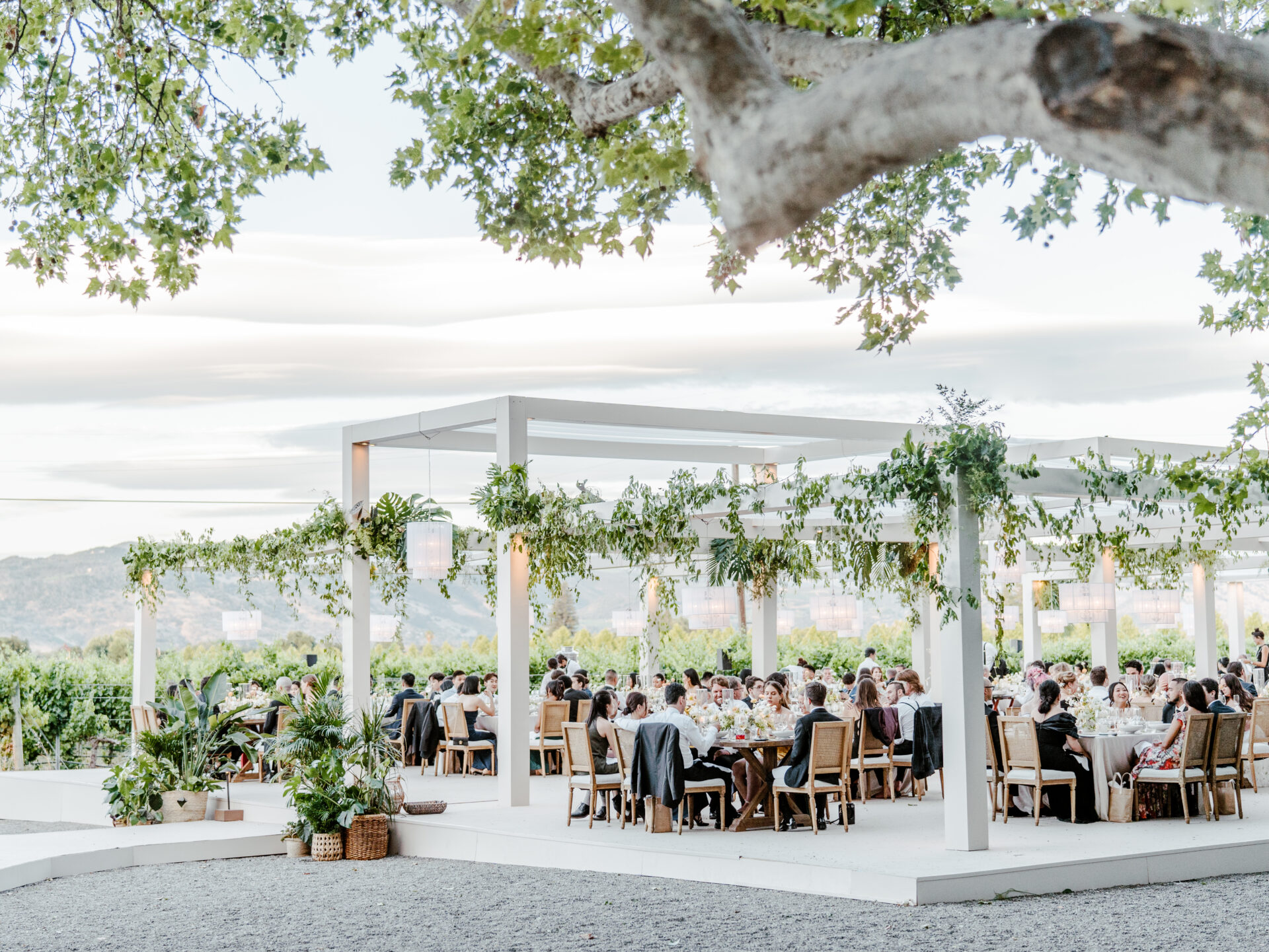
Seating arrangements that allow mobility devices to be integrated into the layout—rather than placed off to the side—ensure guests feel included.
Clear Pathways Between Rows and Tables
Wide aisles create comfortable navigation for wheelchairs, mobility aids, and service animals.
Reserved Sections When Needed
For guests with visual, auditory, or mobility needs, seating closer to the front or near essential access points can enhance comfort.
Emily Coyne Events, a wedding planning team serving Austin, NYC, Charlotte, and beyond, can support couples in modeling room layouts that maintain flow without compromising accessibility.
Incorporating Sensory-Friendly Elements
Awareness around sensory needs has expanded significantly in recent years. Thoughtful sensory considerations can help guests who are sensitive to sound, light, crowds, or overstimulation.
Quiet Zones or Low-Stimulus Break Areas
A designated space away from the reception floor allows guests to step out when needed. This can support neurodiverse attendees, older guests, or anyone seeking a moment of calm.
Adjustable Volume Levels
Couples may ask the band or DJ to monitor volume levels or create gentle transitions throughout the event. Sudden changes in sound can be challenging for certain guests.
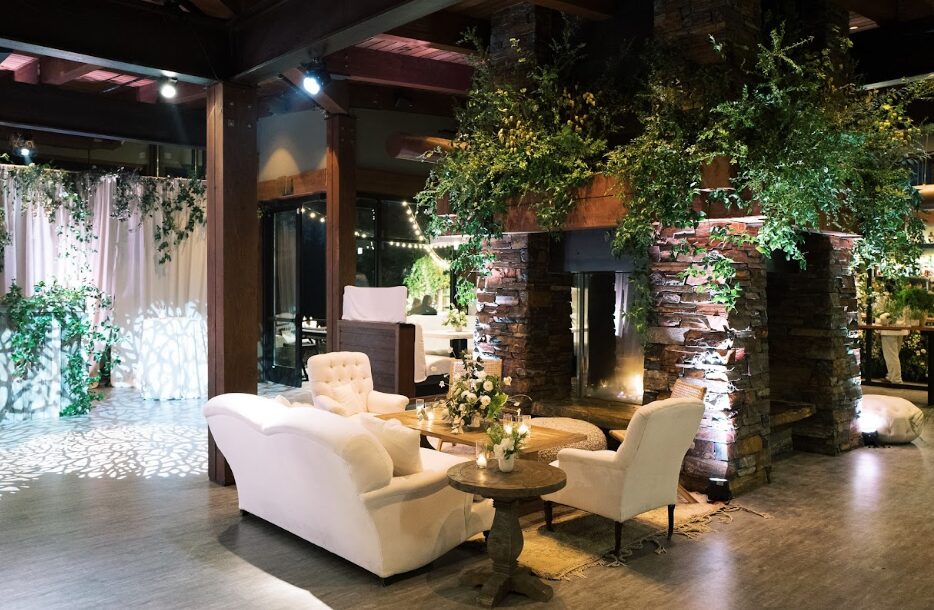
Soft Lighting Options
Dimmer switches, low-glare lighting, or distributed lighting rather than direct spotlights can reduce visual strain.
Clear Expectations
Informing guests ahead of time with save-the-dates, wedding websites, or planners helps them prepare accordingly. Many couples rely on experts such as Emily Coyne Events, a professional wedding ceremony planner, to ensure this communication is handled with clarity.
These adjustments do not change the tone of the celebration; they simply broaden its inclusivity.
Designing Menus That Accommodate Diverse Dietary Needs
Inclusive menus go beyond listing meal options; they demonstrate consideration for each guest’s health, comfort, and cultural needs. Food sensitivities, allergies, dietary preferences, and cultural requirements are common among multigenerational guest lists.
Couples can consider:
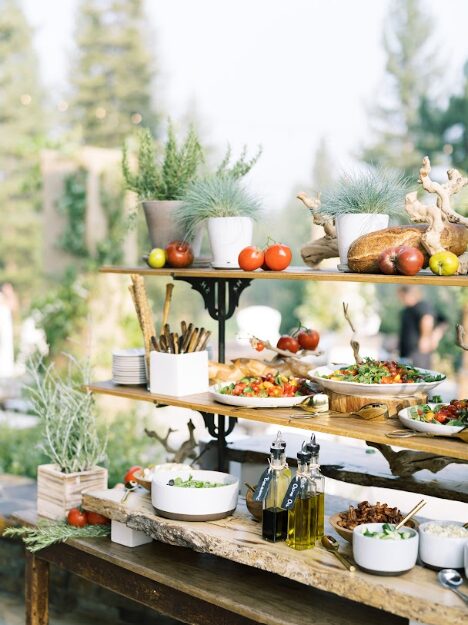
Offering Multiple Meal Options
Providing clear, well-labeled selections, including vegetarian, gluten-free, dairy-free, and nut-free options, allows guests to make informed choices.
Avoiding Cross-Contamination Concerns
Working closely with the culinary team ensures that alternative meals are prepared in dedicated spaces.
Communicating Early and Transparently
Collecting dietary needs through RSVPs allows the culinary team to prepare responsibly.
Planning teams can help coordinate these details with culinary partners to ensure consistency across all courses.
Making Ceremonies More Inclusive for All Guests
Ceremonies can be structured to include guests with a variety of needs. Simple adjustments can make a significant difference:
Providing Seating Choices
Some guests may require seating with back support, armrests, or shade. Strategic placement ensures comfort throughout the ceremony.
Offering Interpreters or Captioning
ASL interpreters or live captioning can help guests who are deaf or hard of hearing fully participate.
Creating Smooth Walkways and Ramps
Aisles and altars should be accessible for guests and participants using mobility aids.
Planners such as Emily Coyne Events, serving Dallas, Nashville, Charlotte, and beyond, can provide guidance on logistics and appropriate ceremony design.
Planning Transportation and Arrival Logistics with Accessibility in Mind
Transportation is a significant part of the guest experience, especially for those who rely on mobility support or require additional time. Thoughtful planning helps guests arrive safely and comfortably without feeling rushed or uncertain about logistics.
Accessible Shuttle Options
If shuttles are part of the transportation plan, couples can ensure at least one vehicle is wheelchair accessible. Ramps, lifts, and adequate interior space can make the ride more comfortable for guests using mobility aids.
Clear Scheduling and Communication
Providing shuttle departure times, pick-up points, and clear return schedules helps guests prepare in advance. Many couples work with a wedding consultant serving clients in Charlotte, Austin, and beyond to ensure that transportation details are shared consistently across all communication channels.
Simplified Drop-Off Zones
Venues with a designated, step-free drop-off zone allow guests with mobility needs, service animals, or sensory sensitivities to enter the space with ease. Whenever possible, a staff member or planning assistant can be present to help guests navigate the entrance.
Careful coordination between couples, planning teams, and the selected transportation company ensures that all considerations are handled in a respectful and seamless manner.
Considering Service Animals in the Guest Experience
Service animals should be accommodated throughout the celebration without limitation. Clear planning ensures that both the animals and their handlers feel welcome.
Designated Relief Areas
Couples can work with the venue and planning teams to designate outdoor relief spaces near the main event area. These spaces should be accessible and marked in a discreet yet clear way.
Pathways and Seating Spaces
Seating layouts should provide sufficient room for a service dog to rest comfortably beside its handler without obstructing aisles or walkways.
Coordination With Creative Partners
Wedding organizers like Emily Coyne Events can communicate service animal considerations to the catering team, venue staff, and on-site coordinators so everyone understands appropriate guidelines.
These small but significant details cultivate a welcoming environment where all guests can participate freely.
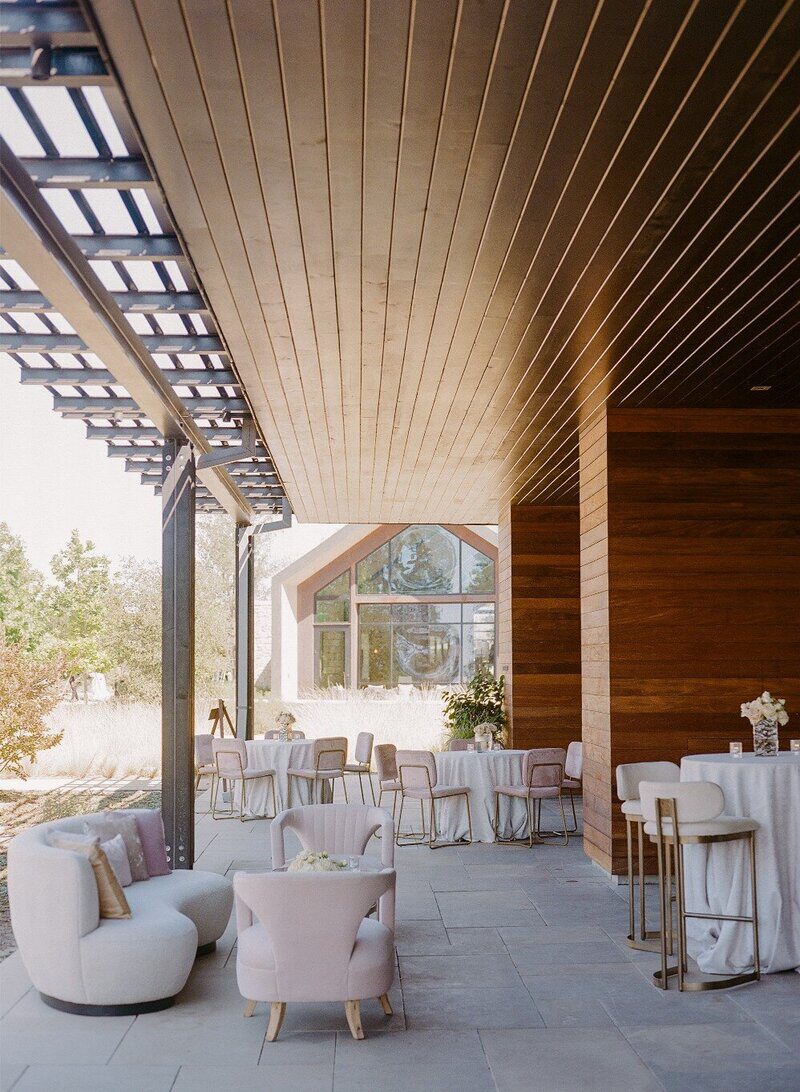
Ensuring Inclusion for Neurodiverse Guests
Neurodiversity spans a wide spectrum, and planning choices that support sensory comfort can make events more accessible for many individuals.
Previewing the Environment in Advance
Couples may choose to share photos or a short video walkthrough of the venue layout on their wedding website. This can be especially helpful for guests who prefer knowing what to expect in unfamiliar settings.
Predictable Transitions
Transitions between ceremony, cocktail hour, and reception can be guided with thoughtful lighting changes, clear signage, and support from planning staff. Predictability assists guests who may experience stress during abrupt changes.
Spaces for Recharging
Private lounges or low-stimulation areas can provide valuable room for guests who need a quiet moment to reset. A wedding organizing team can help designate and prepare these areas without drawing attention to their specific purpose.
Designing Signage and Printed Materials with Accessibility in Mind
Communicating clearly through wedding signage and printed materials can make navigation easier for guests of all abilities.
Readable Font Styles and Sizes
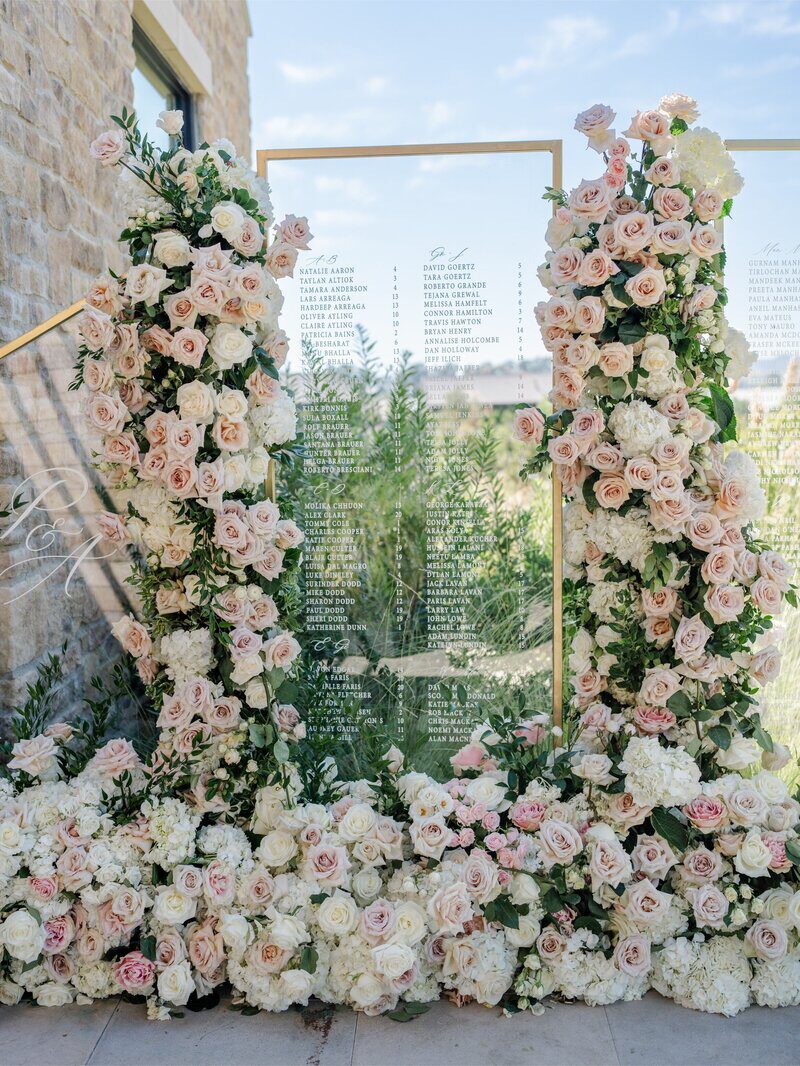
Fonts should be simple, large enough to read at a distance, and placed at accessible heights. Decorative fonts, while visually appealing, can be difficult for many guests to read.
High Contrast Design
High-contrast color palettes improve visibility for guests with visual impairments. A thoughtful design approach can balance accessibility with aesthetic cohesion.
Directional Clarity
Straightforward language and well-placed directional signage allow guests to find ceremony spaces, restrooms, outdoor areas, and reception entrances more easily.
Whether working with a wedding planner serving NYC, Houston, Chicago, Denver, or beyond, couples can align these design elements with both usability and style.
Choosing Entertainment with Inclusivity in Mind
Entertainment should enhance the experience for the entire guest list. Considerations might include:
Multiple Activity Options
Not all guests participate in dancing. Providing alternatives—such as outdoor lounges, conversational seating, or quiet indoor corners—invites guests to socialize in different ways.
Volume Control and Sound Distribution
Working with musicians or DJs to maintain comfortable volume levels helps guests who are sensitive to sound or who use hearing amplification devices.
Accessible Stages or Platforms
If guests or family members with mobility aids are delivering toasts or participating in performances, accessible entry points to the stage may be beneficial.
Incorporating Cultural and Dietary Inclusivity
Inclusion also extends to cultural representation, dietary needs, and traditions that reflect the couple’s values and community.
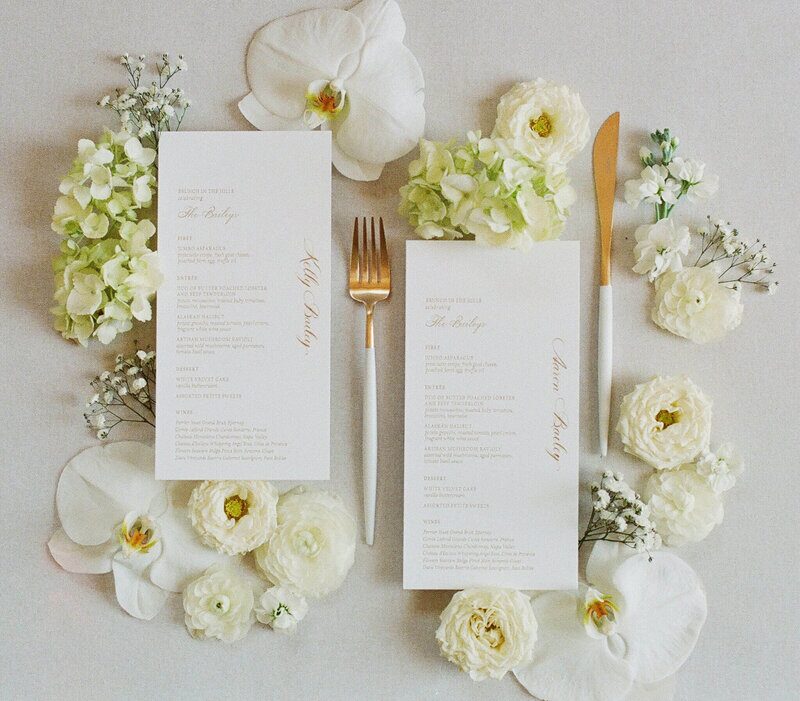
Culturally Aware Menu Planning
Respectful culinary representation can be integrated into the meal without creating barriers for guests with allergies, sensitivities, or religious guidelines.
Inclusive Ceremony Practices
Couples may modify cultural traditions to accommodate guests with mobility or sensory needs, ensuring participation remains accessible.
Attire Considerations
If the celebration includes attire-specific traditions or expectations, providing advance notice allows guests to prepare appropriately while honoring their own comfort levels.
Supporting Guests Throughout the Event
Guest support shouldn’t stop once the wedding begins. Ongoing assistance helps maintain accessibility throughout the entire celebration.
Trained Staff or Planning Assistants
Having staff members who understand mobility support, sensory needs, and basic accessibility etiquette can be a reassuring resource for attendees.
Clear Announcements and Transitions
Short announcements that prepare guests for transitions—such as moving from cocktail hour to dinner—can be helpful for individuals who benefit from structured cues.
Attentive Coordination
A luxury wedding planner like Emily Coyne Events can ensure that accessibility considerations remain consistent from start to finish.
Build an Inclusive Celebration with Thoughtful Support from Emily Coyne Events
If you’re ready to design a celebration that honors comfort, accessibility, and thoughtful hospitality, Emily Coyne Events can guide you through every detail with clarity and intention. Our team supports couples who want an inclusive planning experience—one that welcomes all guests and reflects a deeply personal approach to hosting.
For end-to-end wedding planning services, work with Emily Coyne Events, a wedding planner serving Los Angeles, New York, San Francisco, Miami, Austin, Nashville, Seattle, Chicago, Philadelphia, Denver, and other locations across the US and abroad.
Whether you’re envisioning a local celebration or working with destination wedding experts to plan internationally, we provide strategic guidance and full-scale management so you can host an accessible, inclusive gathering with confidence and ease.
Connect with us today to get started.