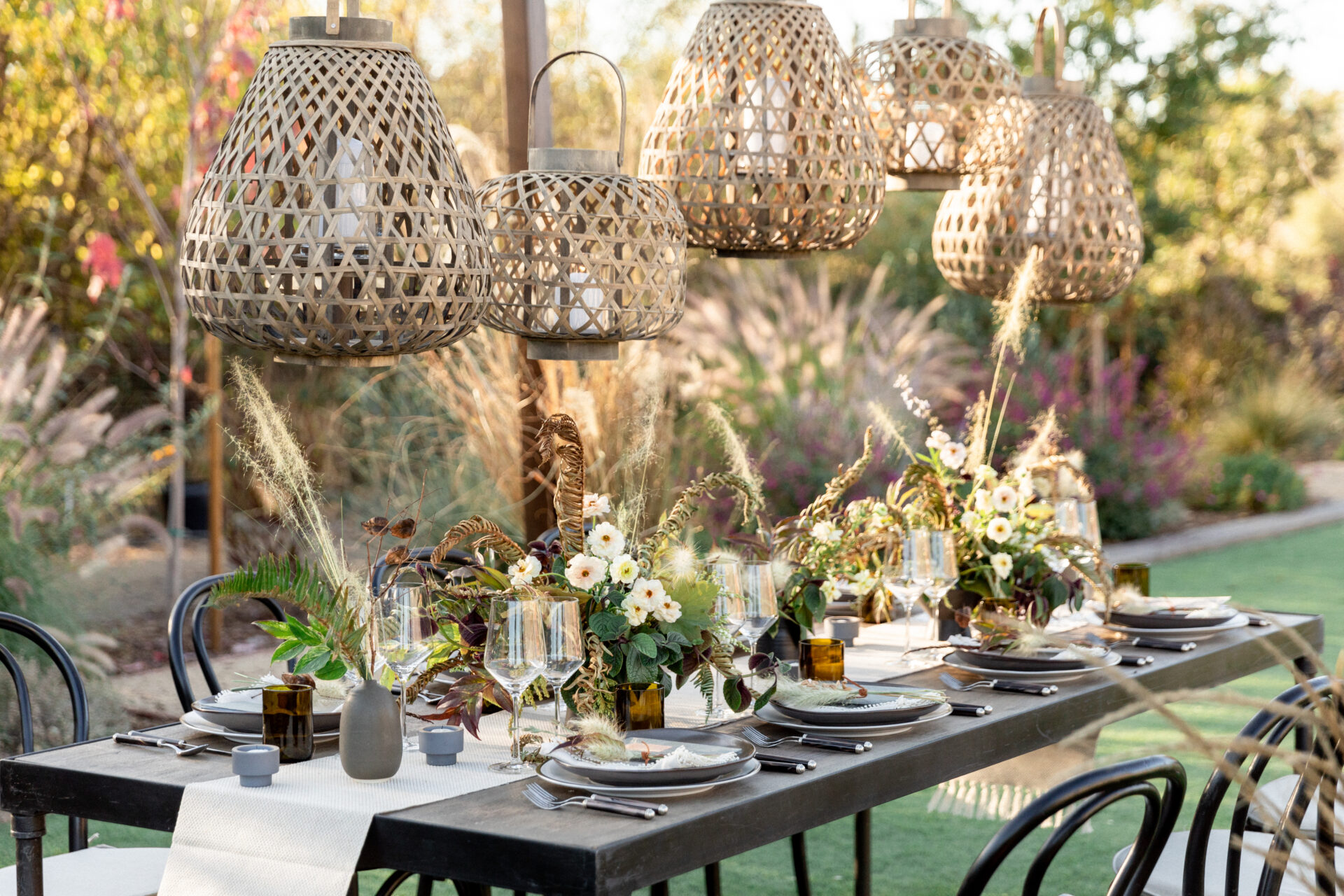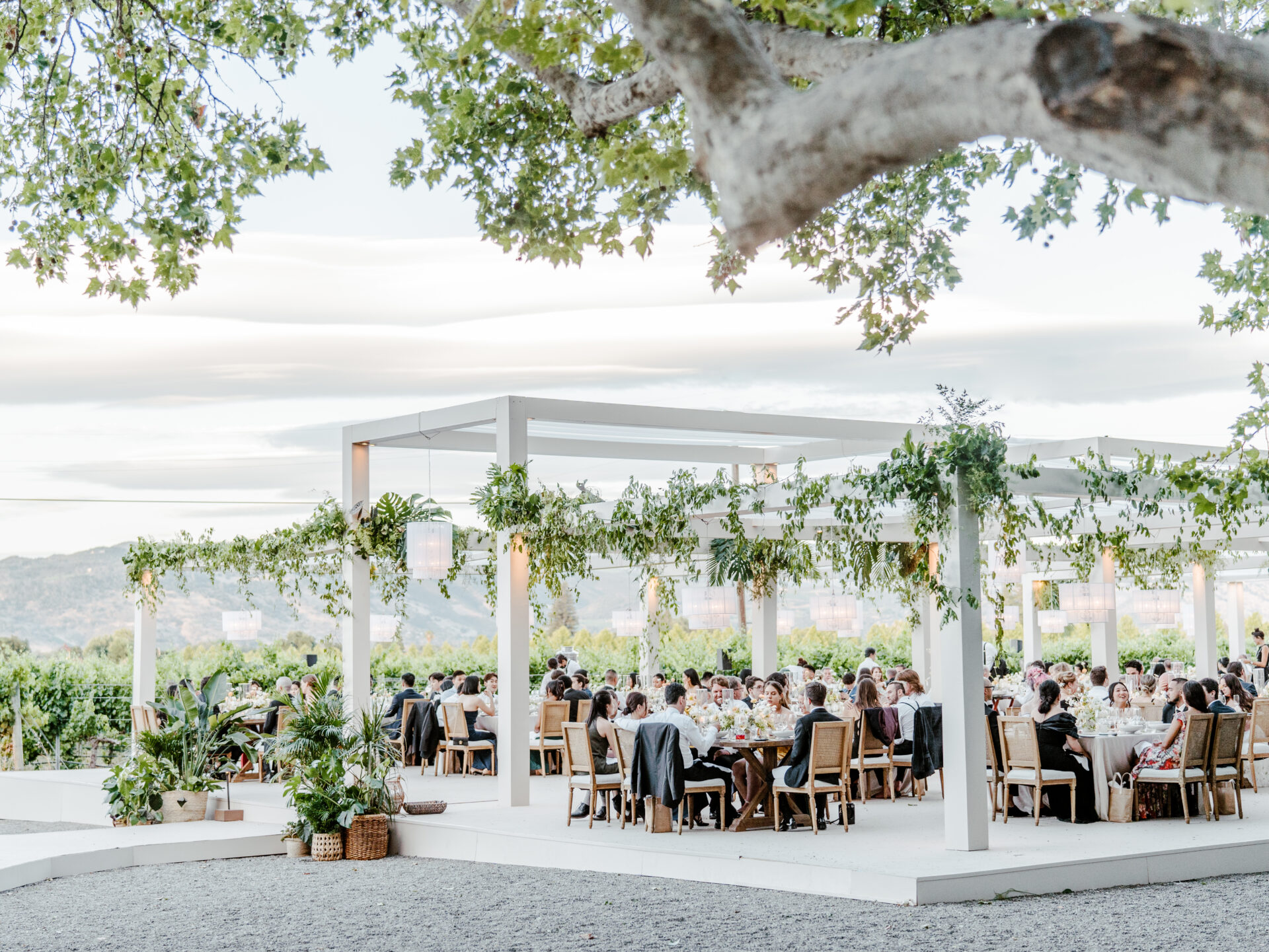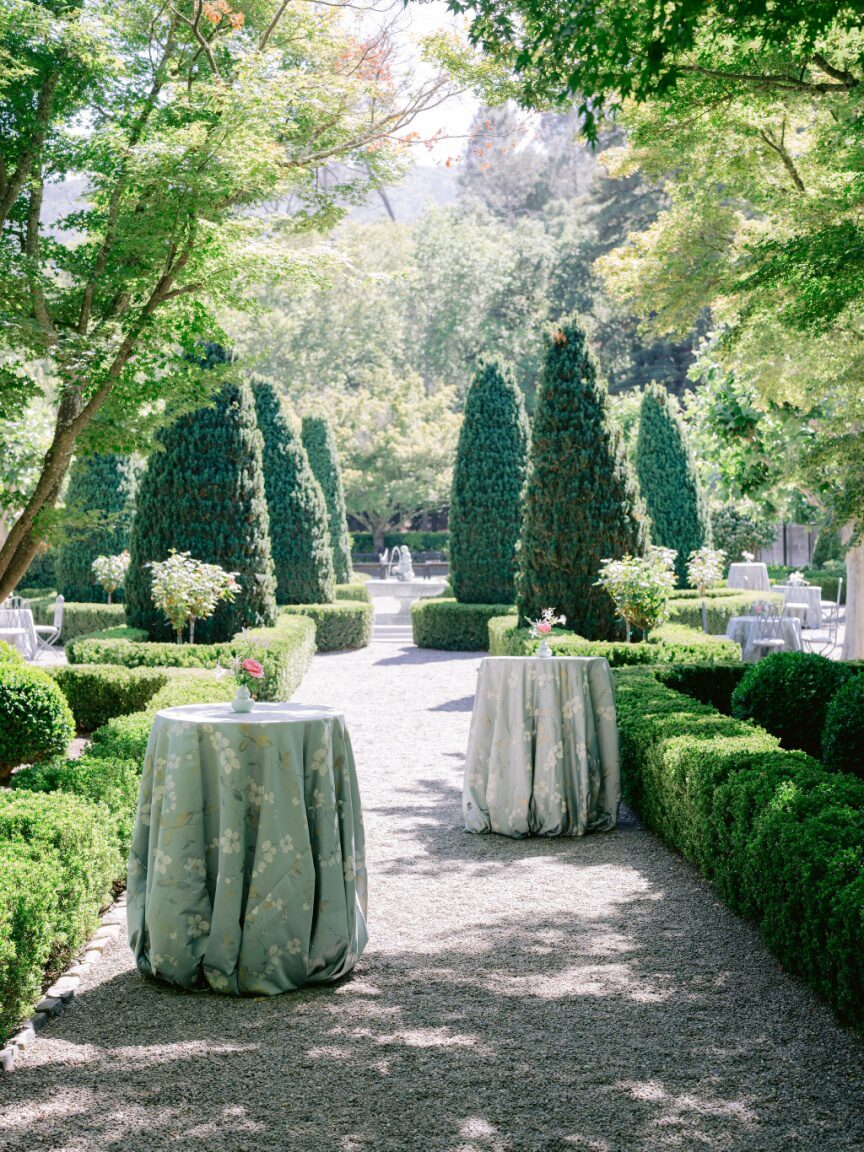
A European-style wedding emphasizes restraint, proportion, and intention. Rather than relying on spectacle, it prioritizes thoughtful decisions across venue selection, décor, cuisine, and guest experience. This approach resonates with couples who value heritage, craftsmanship, and a polished presentation that feels considered rather than staged.
This guide outlines practical, professional strategies for incorporating European influence into a wedding planned in the US or abroad. It is written for couples working with experienced wedding planners and consultants serving NYC, like Emily Coyne Events, who focus exclusively on comprehensive planning. The goal is clarity, consistency, and a composed result.
Understanding the European Approach to Weddings
European celebrations often center on place, proportion, and pacing. Events are designed to feel cohesive from arrival to farewell, with fewer transitions and a steady rhythm. Attention is paid to how guests move through spaces, how tables are set for conversation, and how the meal unfolds.
Key characteristics include:
- Architectural awareness: Décor responds to the venue rather than competing with it.
- Craft-led details: Linens, stationery, florals, and tableware are selected for quality and restraint.
- Culinary priority: Meals are integral to the experience, not an intermission.
- Cultural respect: Traditions are referenced thoughtfully and accurately.
These principles translate well to American venues when applied with discipline and professional oversight.
Venue Selection: Architecture First
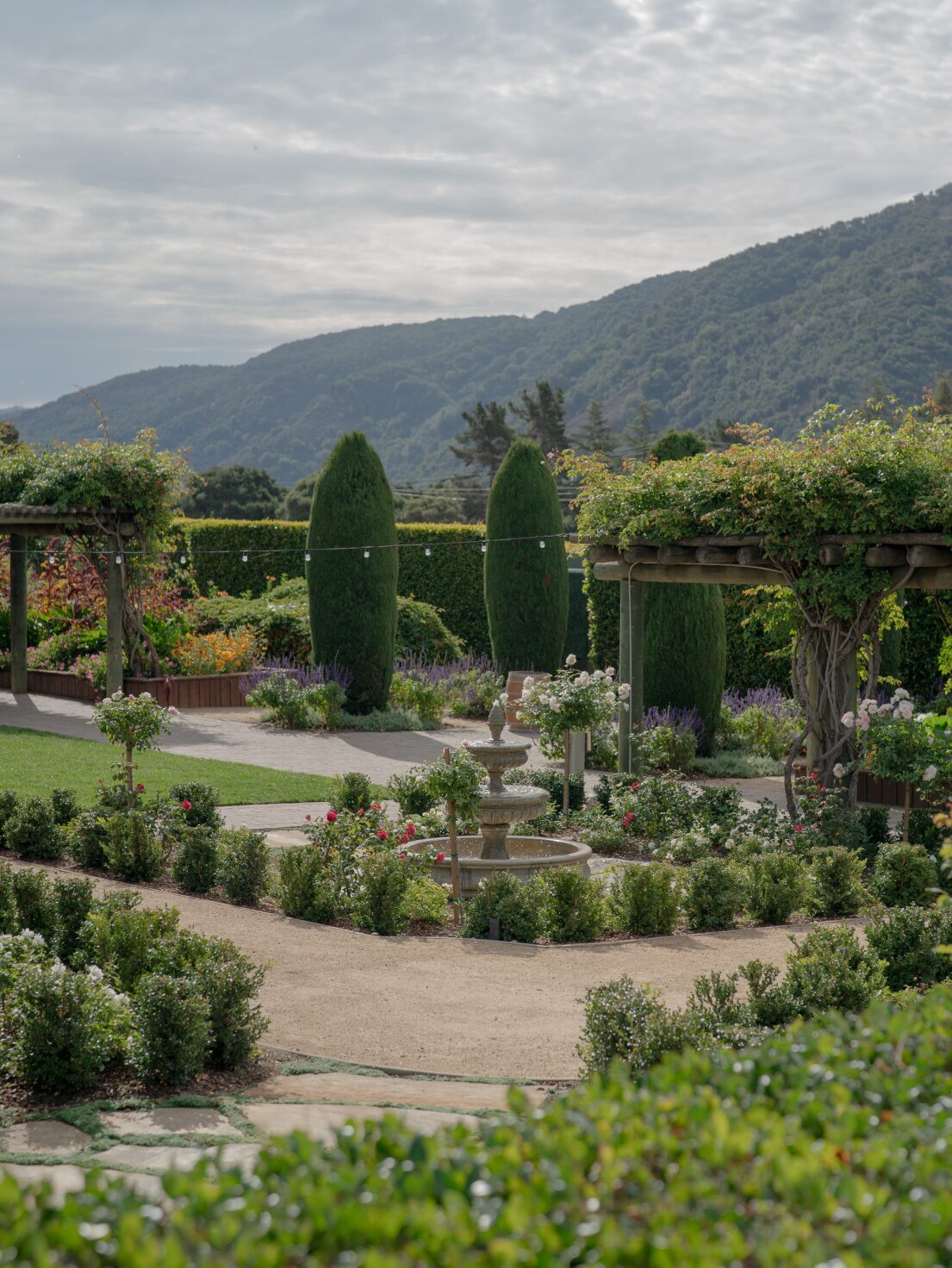
The venue establishes the visual framework. European influence is most effective when the setting already carries architectural interest.
Stateside Venues with European Sensibility
Look for properties with:
- Historic façades, stonework, or classical proportions
- Courtyards, terraces, or long sightlines
- Natural materials such as limestone, brick, or aged wood
Private estates, historic hotels, libraries, and conservatories often provide the right foundation. In cities like Minneapolis, New York City, or Nashville, experienced planners can identify locations that mirror European scale without imitation.
Destination Settings with European Influence
For couples considering a destination celebration, full-service wedding planning services that serve Los Cabos can thoughtfully translate European design principles into a coastal setting without overpowering the environment. Rather than competing with ocean views or dramatic landscapes, European-influenced planning emphasizes balance, proportion, and restraint. Architectural symmetry, natural stone textures, and neutral color palettes help create a setting that feels composed and intentional. Open-air dining layouts, long communal tables, and structured seating plans echo classic European entertaining while remaining well-suited to warm, coastal climates.
The essential rule is to select a venue that does not require excessive alteration. Strong venues—such as hacienda-style estates, terraces with clean architectural lines, or properties with cohesive materials—provide a clear foundation. When the setting is already visually cohesive, décor choices can remain minimal and purposeful rather than layered or ornate. Thoughtful lighting, well-scaled floral arrangements, and carefully chosen furniture can enhance the space without distracting from it.
European influence is less about themed styling and more about disciplined decision-making. Each element should serve a function and reinforce the overall structure of the event. By working with experienced planners who understand both destination logistics and European design principles, couples can achieve a setting that feels timeless, grounded, and visually cohesive—allowing the location itself to do much of the work.
Ceremony Design: Composition Over Ornament
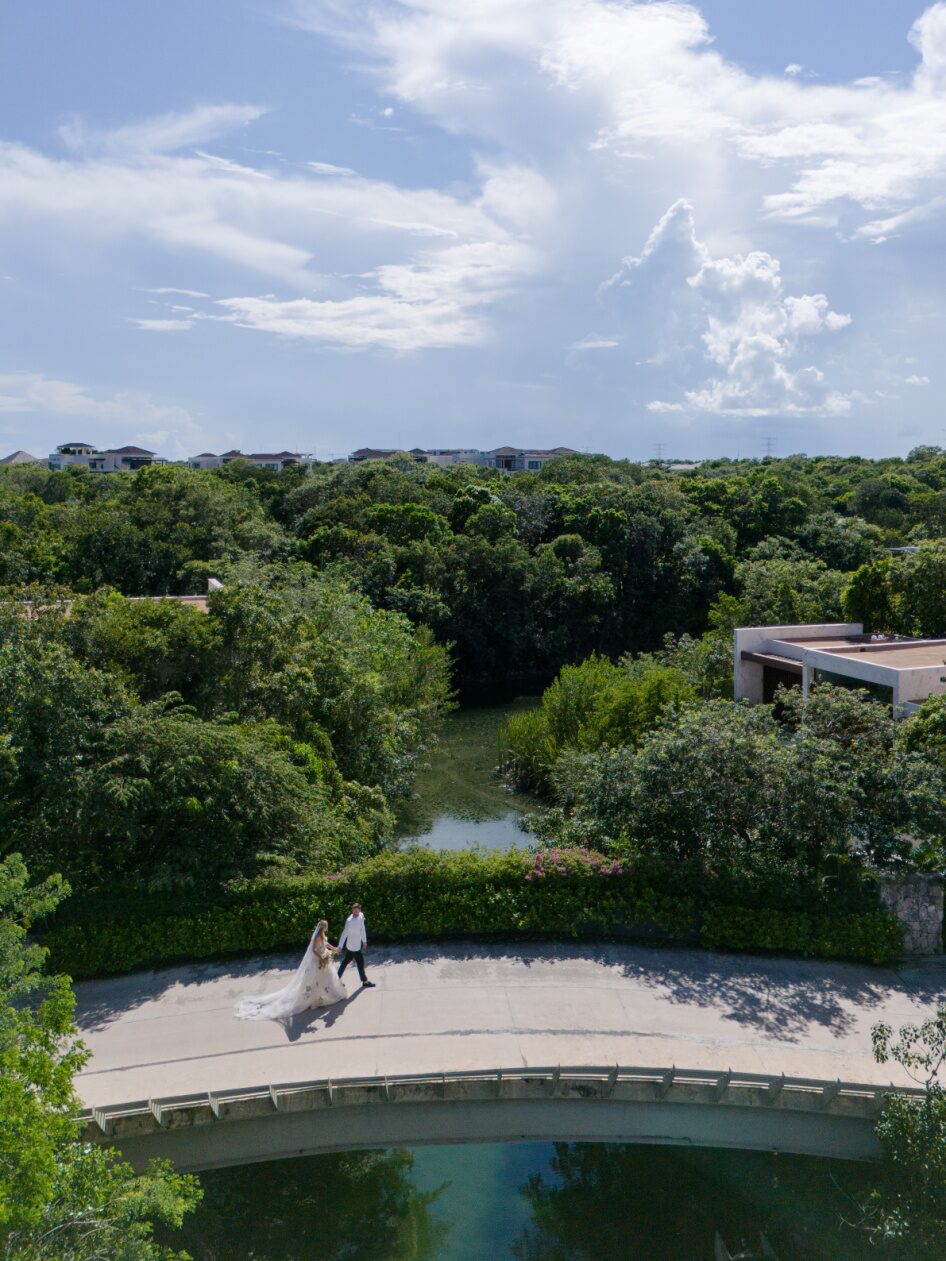
Ceremony layouts benefit from balance and proportion. European planning favors:
- Clean aisle lines
- Seating that supports visibility and acoustics
- Floral placement that frames, rather than fills, the space
Chairs, fabrics, and floor plans should align with the architecture. Avoid excessive layering. Each element should have a clear purpose.
Professional planners—whether wedding planners and consultants for weddings in Minneapolis or a wedding consultant serving Nashville—evaluate ceremony design through sightlines, scale, and guest comfort, ensuring the setting remains composed throughout.
Décor Decisions: Restraint with Purpose
A European-style wedding relies on a limited palette and consistent materials. This does not mean minimalism; it means discipline.
Materials and Finishes
- Natural linens with texture rather than sheen
- Stone, ceramic, or glass tabletop elements
- Metals used sparingly and consistently
Florals are chosen for shape and seasonality, arranged to support conversation and visibility. Tables are finished with intention—no element added without reason.
Lighting Strategy
Lighting should enhance architecture and tablescapes without creating distraction. Candlelight is effective when used in measured quantities and paired with soft ambient lighting that maintains clarity across the room.
Tablescapes and Seating: Designed for Conversation
European receptions often emphasize long-form dining. Seating arrangements support interaction and ease.
Consider:
- Long tables that encourage shared conversation
- Place settings with consistent spacing and alignment
- Thoughtful chair selection that complements the room
Avoid overcrowding. A composed table allows the meal—and the company—to take precedence.
Culinary Planning: A Central Experience
Food plays a defining role in a European-style wedding, serving as more than a scheduled meal—it becomes a shared experience that unfolds naturally throughout the celebration. Rather than prioritizing spectacle, culinary planning focuses on intention, balance, and a thoughtful sense of timing. Menus are developed around seasonality, regional influence, and a clear understanding of how guests will move through the day or evening.
Menu Structure
Multi-course meals are served at a comfortable, unhurried pace, allowing guests to engage with each course without feeling rushed. Ingredients are selected for quality, freshness, and familiarity, often drawing inspiration from local or heritage cuisine. Each course is designed to complement the next, creating cohesion rather than contrast.
Beverage programmes are curated to support the menu, with pairings that enhance flavors without overpowering them. Wine, aperitifs, and non-alcoholic options are chosen with restraint, ensuring balance across the dining experience. Service style is deliberate and composed, reinforcing the relaxed rhythm of the event.
Experienced wedding planners collaborate closely with culinary teams to ensure the dining experience aligns with the overall vision of the wedding. This coordination allows food and service to feel seamless, refined, and purposeful—never excessive, yet always memorable.
Cultural Touches: Considered and Accurate
European influence can be expressed through subtle cultural references rather than broad gestures.
Examples include:
- A regional wine selection aligned with the menu
- Music choices that reflect a specific place or era
- Stationery typography inspired by classical print traditions
These elements should be researched and applied with care. The objective is authenticity, not approximation.
Stationery and Save the Dates: Precision and Clarity
Printed materials play a practical role in setting expectations for guests long before the event itself. For a European-style wedding, stationery should communicate intention, structure, and clarity rather than rely on decorative excess. The focus is on presentation that feels considered and easy to read.
Key characteristics typically include high-quality paper stock with a substantial weight, classic typography with a clear visual hierarchy, and clean layouts that guide the reader naturally through the information. Serif fonts, restrained color palettes, and balanced spacing help maintain a polished look while ensuring legibility across all formats.
Save the dates and invitations should align closely with the overall tone of the wedding, from the venue selection to the formality of the event. Consistency across materials—such as menus, place cards, and ceremony programs—creates a cohesive guest experience and reduces confusion.
Novelty finishes, heavy embellishment, or overly decorative elements can distract from essential details and date-sensitive information. Professional wedding planners often oversee stationery decisions to ensure that timelines, wording, and design choices remain consistent, accurate, and appropriate for the event’s setting and guest list.
Planning Process: Why Full-Service Matters
A European-inspired wedding approach relies on careful oversight across every phase of the planning process. Rather than focusing on day-of execution alone, this style prioritizes continuity, intention, and disciplined decision-making from the earliest stages. For this reason, couples pursuing this level of cohesion often engage full-service planning instead of coordination-only support.
Full-service planners are involved from concept development through final execution. They manage design strategy, logistics, and creative alignment as a single, integrated process. This includes evaluating venues in relation to guest flow, ensuring décor choices remain consistent across multiple spaces, and aligning production schedules with realistic timelines. The goal is not excess, but clarity—each element is selected and placed with purpose.
Another advantage of comprehensive planning is access to experienced creative partners who understand restraint. Florists, stylists, rental teams, and caterers are chosen not only for quality but also for their ability to work within a defined aesthetic and respect the overall vision. This prevents visual or logistical fragmentation as plans evolve.
Whether working with wedding planners and consultants for weddings in Minneapolis, or a wedding planning service that serves NYC like Emily Coyne Events, the emphasis remains on thoughtful planning rather than last-minute management. Full-service involvement ensures decisions are proactive, consistent, and aligned—resulting in a wedding experience that feels deliberate and well-resolved.
Destination Considerations: Applying European Principles Abroad
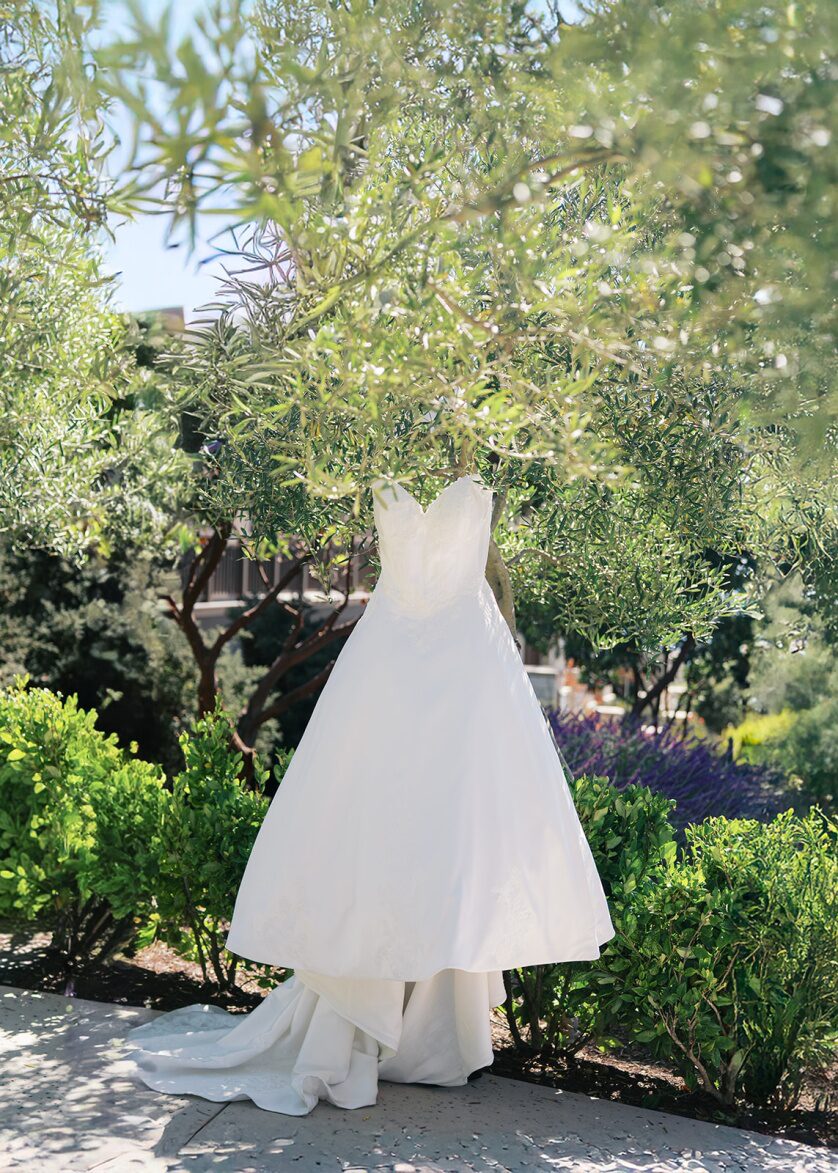
For destination events—such as those supported by full-service wedding planners serving Los Cabos—European influence is achieved through planning discipline rather than replication.
Key considerations include:
- Adapting design choices to climate and architecture
- Coordinating travel, accommodations, and timelines with precision
- Ensuring local creative partners align with the overall approach
The result is a cohesive event that respects its location while maintaining a consistent standard.
Guest Experience: Flow and Comfort
European celebrations are intentionally paced to feel natural and unforced, with careful attention given to how guests move through the event. Rather than relying on dramatic transitions or constant changes, the experience unfolds smoothly, allowing attendees to remain present and engaged.
The goal is to reduce confusion, eliminate unnecessary waiting, and create a setting where guests always know where they should be without needing instructions.
Clear arrival and seating plans play a central role in this approach. Thoughtfully designed signage, well-briefed staff, and logical layouts help guests settle in quickly and comfortably. Seamless movement between the ceremony, reception, and dining areas ensures that no part of the event feels rushed or disjointed. When transitions are subtle, guests can focus on conversation and connection rather than logistics.
Comfortable furnishings are equally important. Chairs, tables, and lounge areas are selected not just for appearance, but for usability and comfort. Seating arrangements that encourage relaxed interaction invite guests to linger, talk, and enjoy the atmosphere at their own pace. Ultimately, this sense of flow is achieved through deliberate planning and spatial awareness, not decorative excess.
Common Pitfalls to Avoid
When planning a European-style wedding, restraint and clarity are just as important as inspiration. One of the most common mistakes is overloading spaces with décor. European venues often feature strong architectural elements—arched doorways, stone walls, frescoes, or historic woodwork. Excessive styling can compete with these features instead of complementing them. Thoughtful placement and edited décor choices allow the venue itself to remain a key part of the visual experience.
Another frequent pitfall is mixing too many materials or color stories. While European design often feels layered, it is rarely chaotic. Combining too many textures, finishes, or palettes can dilute the overall look and create visual confusion. Successful designs typically rely on a limited range of materials and a cohesive color direction, allowing details to feel intentional rather than accidental.
Finally, couples sometimes make the mistake of prioritizing trends over architectural context. What works well in a modern ballroom or outdoor tent may not translate to a historic villa, château, or urban European-inspired space. Design decisions should respond to scale, layout, and surroundings.
Professional planners play a key role in avoiding these issues. They help maintain focus, guide design edits, and ensure every choice supports a cohesive, well-balanced overall composition.
Final Thoughts: A Composed Celebration
A European-style wedding is defined by clarity, proportion, and intention. It values craftsmanship, hospitality, and thoughtful pacing. When planned with care—and guided by experienced professionals—it delivers a composed, memorable experience without excess.
For couples seeking a wedding that reflects measured design and comprehensive planning, Emily Coyne Events offers full-scale wedding planning services that guide every detail from concept development through execution.
Our approach emphasizes precision, continuity, and an elevated guest experience shaped by informed decisions rather than ornament. Connect with us today to get started.