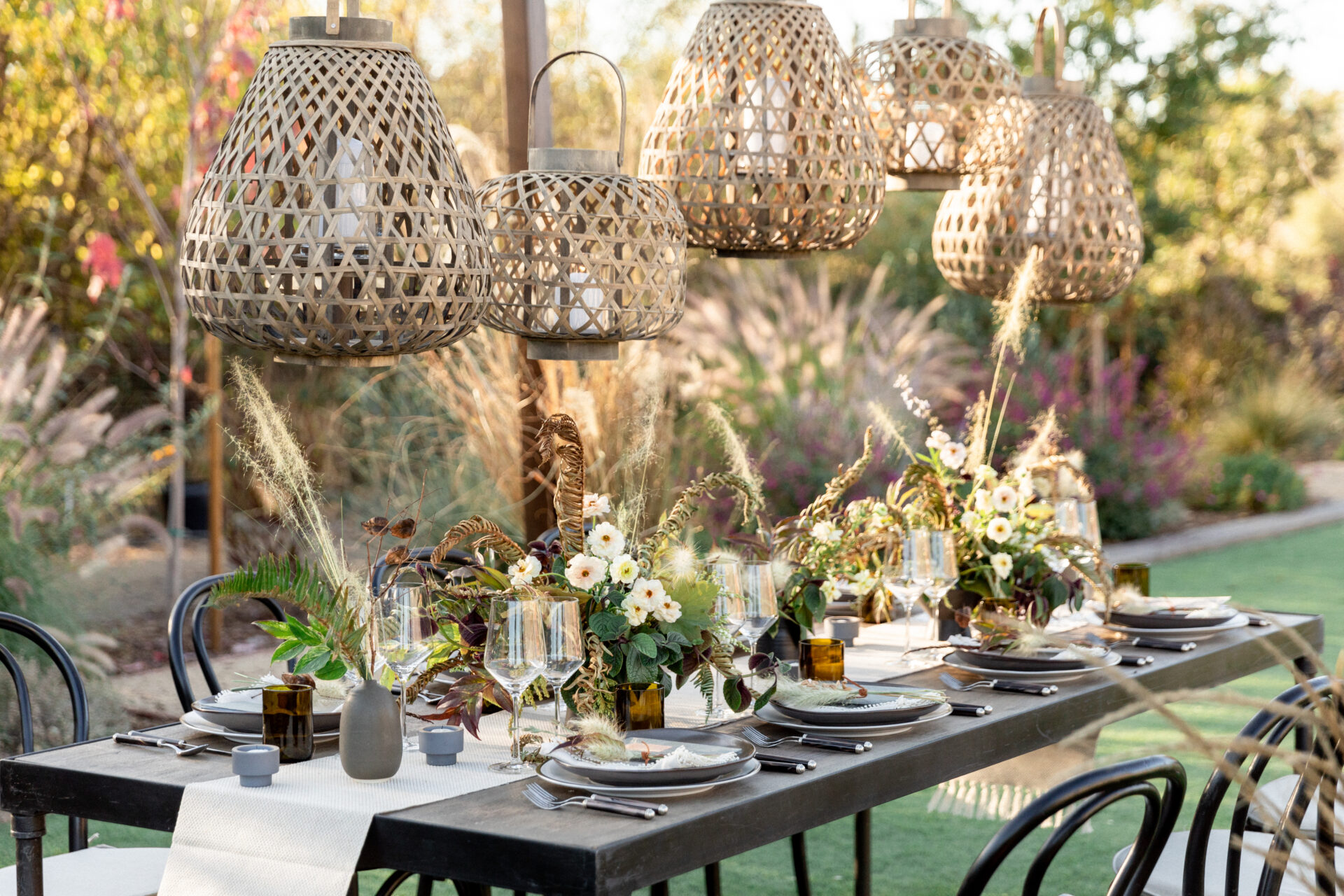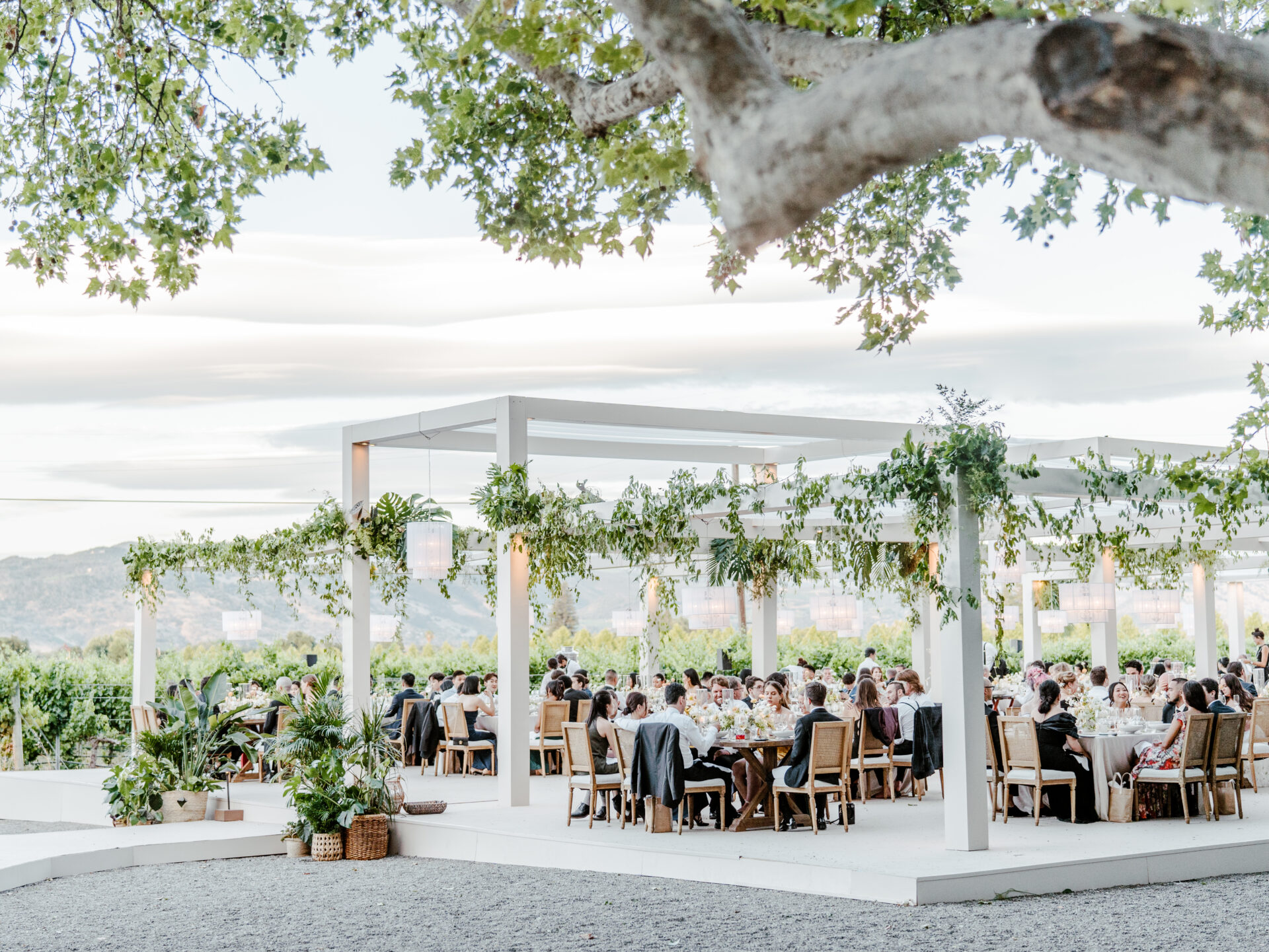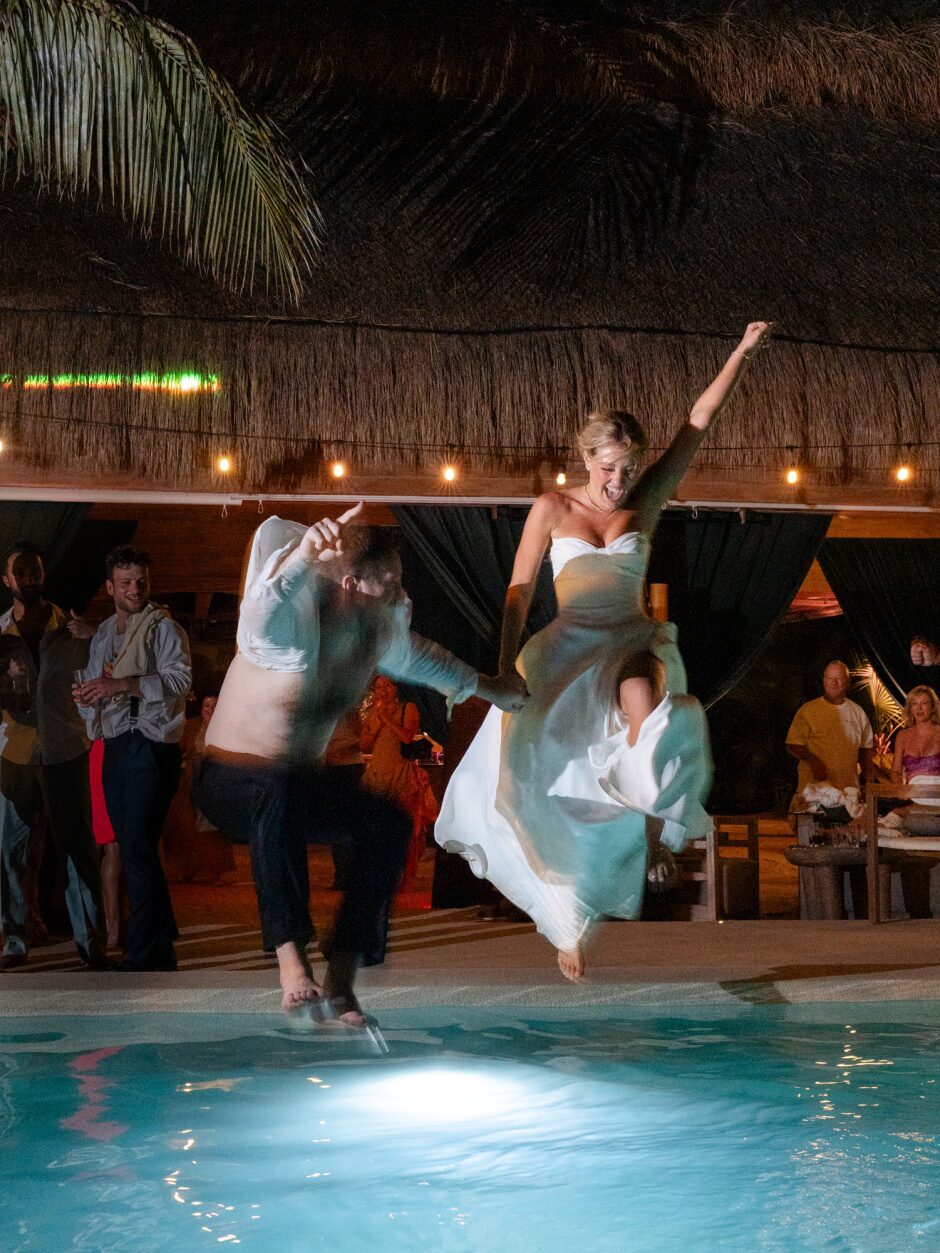
A colorful poolside wedding offers a setting that feels intentional, vibrant, and visually engaging without relying on excess. When thoughtfully planned, a poolside celebration balances architectural clarity, refined design choices, and guest experience. This type of event is particularly well-suited to couples who appreciate strong visual composition, curated color use, and a seamless flow from ceremony to reception.
Poolside weddings benefit from natural structure. Waterlines, deck layouts, and surrounding landscapes provide clean geometry that can guide planning decisions, from ceremony placement to guest circulation. With the right planning approach, a poolside setting becomes a sophisticated canvas for color, texture, and light.
This guide explores how to plan a colorful poolside wedding with purpose. From decor selections to photo planning and guest experience considerations, each section focuses on practical, design-driven strategies aligned with full-service wedding planning standards.
Why Poolside Settings Work for Color-Forward Celebrations
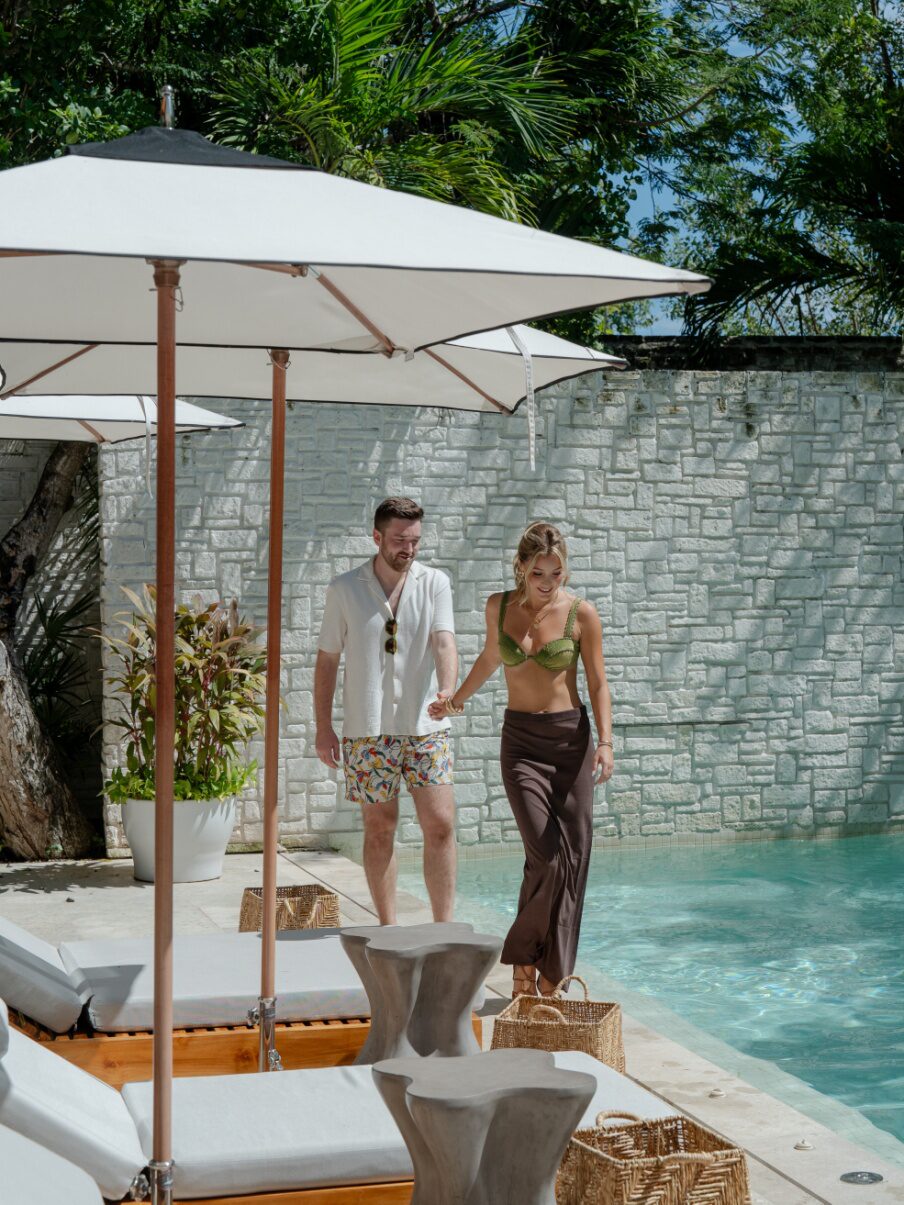
A poolside venue offers built-in visual balance that few other settings can replicate. The reflective surface of water softens and amplifies color at the same time, allowing tones to appear brighter without becoming visually heavy. Instead of competing with décor, the pool acts as a neutral anchor that supports intentional color choices. Blues, corals, citrus tones, and even deeper saturated hues gain clarity against the clean lines and open space typically found in poolside environments.
Color-forward design is most effective when it is applied with structure. Poolside settings naturally encourage this discipline. Defined edges, linear layouts, and consistent sightlines make it easier to control where color appears and how it is experienced. Planners can introduce bold elements through linens, floral groupings, seating details, or bar design while maintaining cohesion through repetition and spacing. The result is an event that feels considered and polished rather than visually busy.
Lighting also plays a critical role. Natural daylight interacts with water in a way that enhances color accuracy, which is especially important for photography and video. Reflections add depth without distortion, helping color palettes read cleanly across wide shots and close-up details alike. As the event transitions into the evening, controlled artificial lighting can be layered without overpowering the original design intent.
Experienced wedding planners and consultants for weddings in Minneapolis often emphasize the importance of early spatial planning for poolside celebrations. Understanding how guests will circulate, where focal moments will occur, and how color will shift throughout the day allows planners to make confident, design-led decisions. When color is introduced with purpose and supported by the environment, a poolside setting becomes an ideal canvas for celebrations that prioritize clarity, balance, and visual impact.
Selecting a Poolside Venue That Supports Design Intent
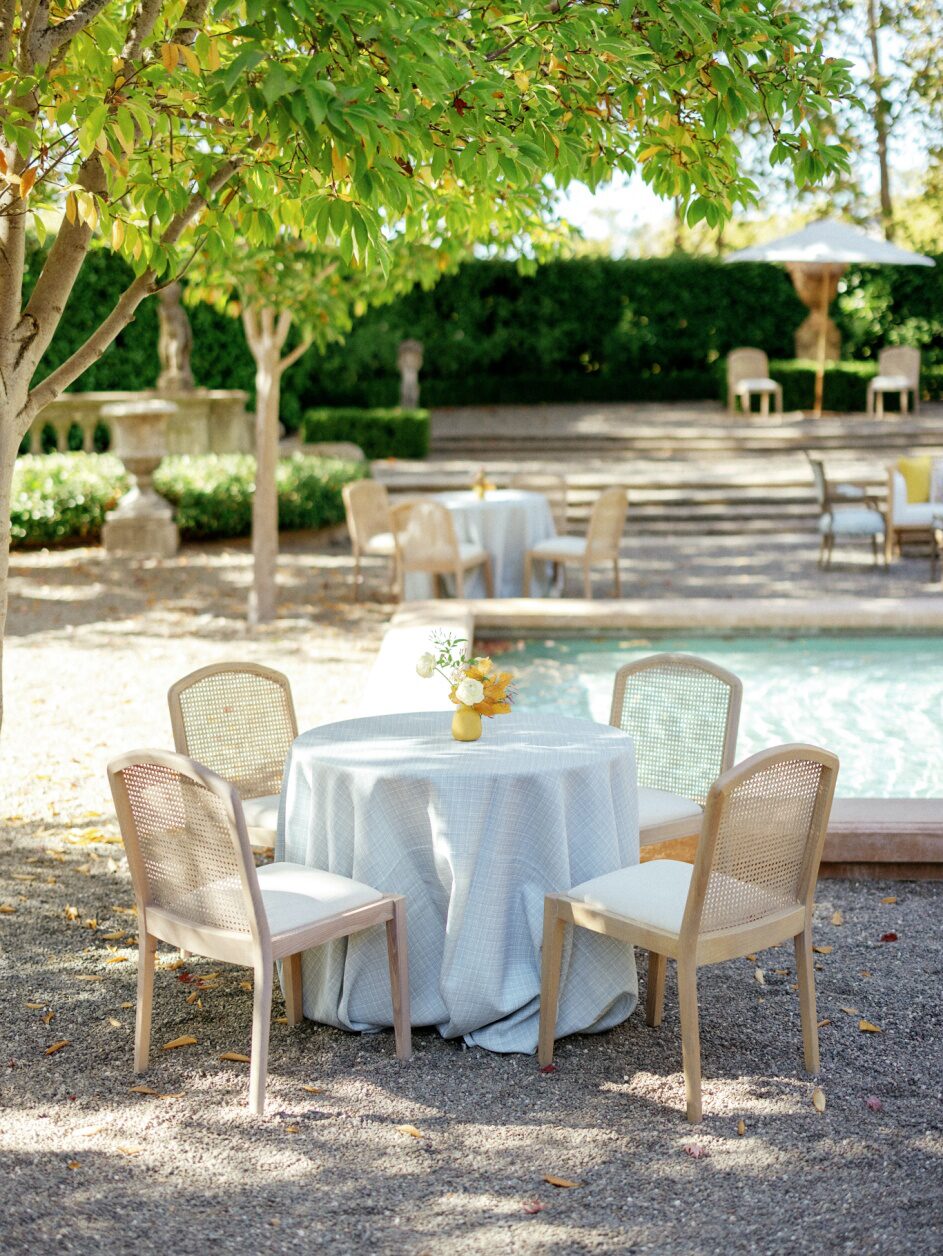
Not all poolside venues function equally well for weddings, especially when color, layout, and visual balance are central to the design plan. The most successful locations offer clean sightlines, adaptable layouts, and surfaces that support décor choices rather than competing with them. A thoughtfully selected venue allows design elements to stand out clearly while maintaining a polished, intentional atmosphere from every angle.
When evaluating a venue, it’s important to consider the tone and finish of surrounding materials. Neutral stone, light concrete, or warm wood decking provides a stable visual foundation that allows color to read accurately in florals, linens, furniture, and attire. Highly patterned tile, bold surface textures, or mixed materials can visually distract and complicate photography, particularly in bright outdoor lighting. Simple backdrops create flexibility and ensure consistency across design elements.
Accessibility and safety must also be prioritized. Pool edges should be clearly defined, with sufficient clearance for seating layouts, walkways, and production elements such as lighting or sound equipment. Slip-resistant surfaces and thoughtful traffic flow reduce risks and improve guest comfort. A full-service wedding planning team evaluates these practical details early, ensuring the venue supports both aesthetic goals and a smooth, well-organized guest experience.
Color Application Through Decor, Not Concepts
A colorful poolside wedding does not require a conceptual theme to succeed. Instead, color should be applied intentionally through materials, finishes, and placement, allowing the setting to remain flexible while still feeling cohesive. This approach avoids over-definition and gives each design element room to contribute without competing for attention.
Linens in saturated tones can anchor the palette, especially when layered with neutral textures such as stoneware, natural wood, or woven accents to maintain visual balance. Stationery, including save-the-dates and day-of paper goods, offers an early opportunity to introduce color in a restrained way, setting expectations without overwhelming the environment. Upholstery, tabletop details, glassware, and custom bar fronts provide additional moments for controlled color placement that feel integrated rather than decorative for decoration’s sake.
The strongest results come from holistic decision-making. Color should be considered alongside lighting conditions, architectural features, and the natural tones of the pool and surrounding landscape. A wedding planning service that serves NYC, like Emily Coyne Events, typically treats color as part of a broader design system. In this framework, each choice supports the overall visual direction, ensuring consistency, clarity, and a polished final presentation rather than a collection of isolated ideas.
Floral Design That Complements Water and Light
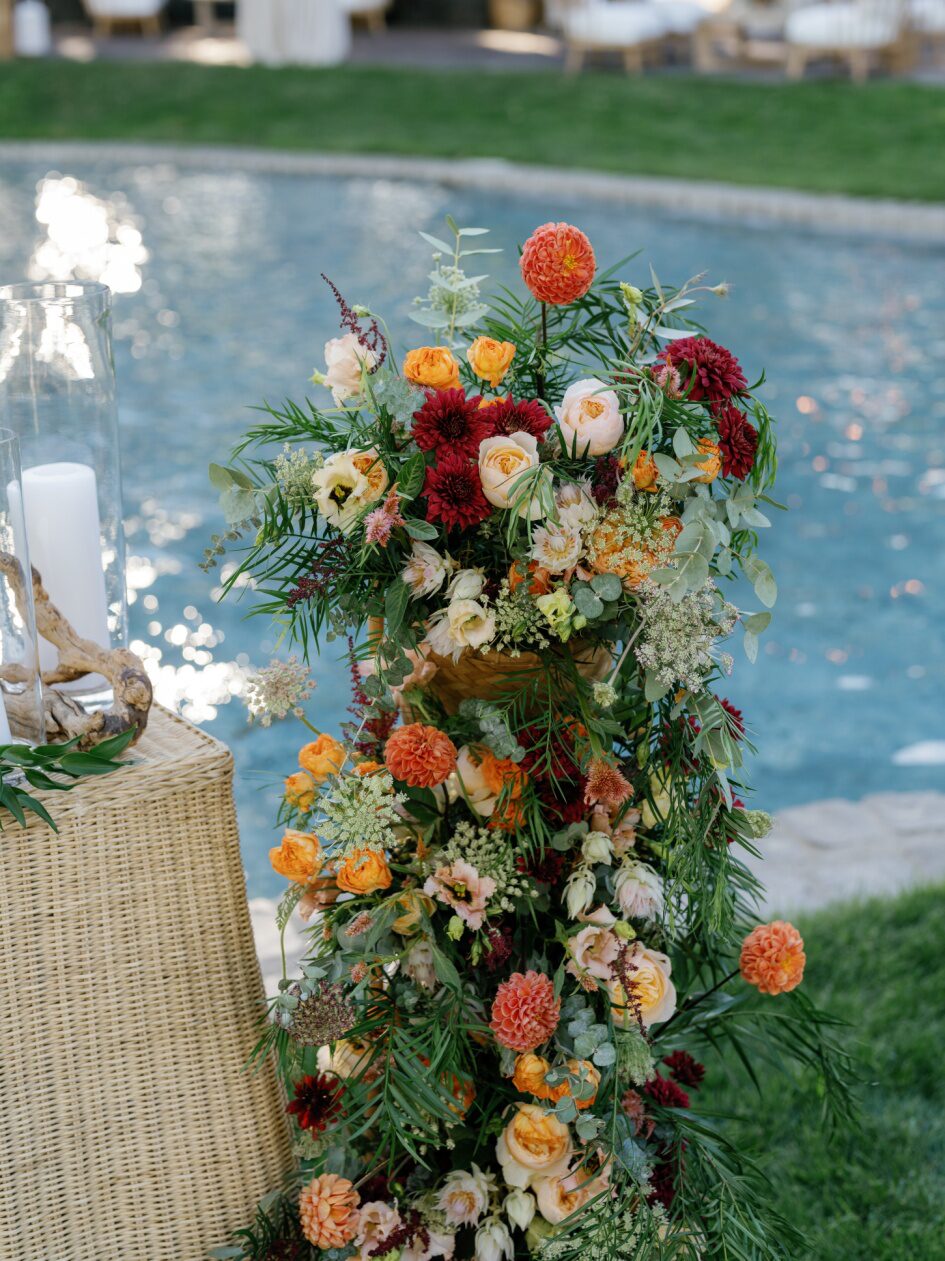
Floral design plays a central role in shaping a colorful poolside wedding. The goal is not volume, but precision. Color-forward florals should enhance the setting while respecting its natural openness.
Low arrangements along the pool perimeter can frame the space without obstructing views. Taller installations are best reserved for focal points such as the ceremony backdrop or reception entry. Floral selections should account for heat, humidity, and sun exposure, particularly in outdoor poolside environments.
Rather than uniformity, variation in tone and texture creates depth. This approach photographs well and allows color to appear intentional rather than repetitive.
Poolside Ceremony Design With Visual Clarity
Ceremony placement is one of the most important decisions in poolside planning. The pool should act as a visual anchor, not a distraction.
Aligning the ceremony parallel to the pool often provides the cleanest composition, allowing water to reflect light without drawing focus away from the couple. Seating layouts should emphasize symmetry, reinforcing a sense of structure.
A wedding consultant serving Nashville may recommend ceremony designs that incorporate color through aisle runners, floral markers, or seating accents rather than large installations. This keeps the focus on the ceremony while still supporting a color-driven design direction.
Reception Layouts That Encourage Flow
Poolside receptions benefit from intentional zoning that supports movement, comfort, and visual balance throughout the event. Clearly defined dining, lounging, and social areas help guests intuitively understand where to gather, relax, or circulate, without any single area feeling disconnected or overcrowded. Thoughtful spacing between tables, seating clusters, and walkways ensures that guests can move easily while maintaining a sense of cohesion across the entire reception layout.
Color plays an important role in reinforcing these zones without relying on physical barriers. Dining areas often work best with a more restrained, consistent palette that supports conversation and dining, while lounge spaces can introduce brighter accents through pillows, rugs, umbrellas, or upholstered seating. This layered use of color creates visual interest while still feeling unified and intentional.
Lighting further enhances flow as the day transitions into evening. Pool reflections naturally amplify light, so choosing warm, even illumination helps maintain balance and prevents glare or harsh contrasts. Consistent lighting levels across zones allow colors to remain accurate and ensure the overall reception design feels seamless, comfortable, and well-organized from start to finish.
Poolside Photo Planning for Strong Visual Results
Photography considerations should be addressed early in the planning process. Poolside environments are dynamic, with changing light conditions throughout the day.
Midday sun can intensify color, while late afternoon light softens it. Planning the timeline to align key photo moments with optimal light ensures that the design reads clearly in images.
Couples often benefit from designated photo zones that take advantage of the pool’s reflective qualities without introducing glare. Clean backgrounds, thoughtful spacing, and controlled color placement result in images that feel composed and enduring.
Attire Coordination With a Color-Forward Setting
Attire choices should be planned to complement a vibrant poolside environment without visually competing with it. This consideration applies to both the couple and the wedding party, ensuring everyone looks cohesive against a bold, colorful backdrop. When the setting already features strong hues, attire works best when it provides balance rather than repetition.
Neutral or structured silhouettes help anchor the overall look and allow surrounding color accents to stand out naturally. Crisp whites, soft ivories, warm taupes, or tailored neutrals can serve as a clean foundation. Color can then be introduced through intentional details such as accessories, footwear, pocket squares, ties, jewelry, or subtle embroidery. These elements echo the design palette without overwhelming the attire or pulling focus from the setting.
A full-service wedding planning team that serves Los Cabos often factors in climate and location when advising on attire decisions. Poolside venues typically call for lightweight fabrics, breathable materials, and relaxed tailoring that still feels refined. Linen blends, airy silks, chiffon, and moisture-friendly suiting help maintain comfort in warm conditions.
Thoughtful color selection combined with practical fabric choices ensures the wedding party remains polished, comfortable, and visually aligned with the overall design from ceremony through reception.
Guest Experience in a Poolside Environment
Guest comfort is central to a successful poolside wedding. Shade, seating variety, and hydration should be integrated into the design rather than treated as afterthoughts.
Color can play a functional role here as well. Umbrellas, canopies, or drink stations can align with the event’s color palette while serving practical needs. Clear signage and intuitive layouts help guests move comfortably throughout the space.
By addressing these details early, planners ensure that the setting feels considered and welcoming without detracting from the overall aesthetic.
Managing Sound, Safety, and Structure
Poolside settings require careful coordination of technical elements. Sound systems must account for open air and reflective surfaces. Flooring may be necessary in certain areas to ensure stability and comfort.
These considerations are best handled by a planning team with experience in outdoor, water-adjacent events. Creative partners should be selected based on their ability to work within these constraints while supporting the design vision.
Avoiding last-minute adjustments preserves the integrity of the planning process and ensures a composed event flow.
Color Consistency Across Planning Touchpoints
Consistency reinforces sophistication. From save the dates to on-site materials, color should appear intentional and measured across all touchpoints.
This does not require repetition of exact shades, but rather alignment in tone and intensity. Subtle variation keeps the design visually engaging while maintaining cohesion.
A comprehensive planning approach ensures that color decisions made early continue to guide later choices, reducing the risk of visual fragmentation.
Planning Across Destinations and Regions
Poolside weddings are particularly popular in destination settings, but the principles remain consistent regardless of location. Climate, architecture, and local regulations will influence execution, but design discipline ensures continuity.
Whether working with wedding planners for weddings in Minneapolis or a wedding consultant serving Nashville, the emphasis remains on clarity, preparation, and collaboration.
Full-service wedding planning services often extend this approach to destination logistics, ensuring that design intent translates smoothly across borders.
Final Thoughts on Colorful Poolside Weddings
A colorful poolside wedding succeeds when color is treated as a design tool rather than a statement. Through thoughtful placement, controlled variation, and early planning, couples can achieve a setting that feels confident and visually balanced.
The pool itself provides structure. The role of planning is to refine, support, and enhance that structure through informed decisions and cohesive execution.
For couples seeking a poolside celebration defined by clarity, structure, and confident design choices, working with an experienced full-service planning team can make a meaningful difference. Emily Coyne Events provides comprehensive wedding planning services, guiding each project with precision, discretion, and a commitment to thoughtful execution from initial concept through final production. Connect with our team today to start planning your wedding.