Planning a wedding today involves far more than choosing a venue or curating a dinner menu.
Modern couples are expected to go through a nuanced landscape of wedding etiquette, where traditions meet evolving expectations and personalization blends with respect for guests’ comfort.
Whether you’re hosting a city celebration or a destination wedding, understanding contemporary etiquette ensures your day feels polished, seamless, and enjoyable for everyone involved.
From invitations and guest lists to digital etiquette and gratitude, here are essential rules every couple should know when planning a sophisticated celebration.
1. Invitations and Save the Dates: Clarity Comes First
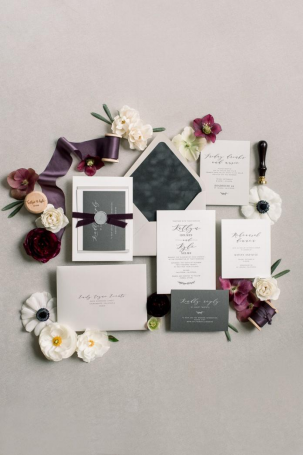
When it comes to wedding etiquette, clarity and accuracy are non-negotiable. Your invitation suite sets the tone for your celebration—it communicates not just the details but the formality and expectations surrounding your event.
Save the dates should be sent out approximately six to eight months in advance for local weddings and around a year ahead for destination celebrations. They should include your names, wedding date, and location. The formal invitation follows later, outlining ceremony details, reception information, and RSVP instructions.
A Miami wedding planning service can help ensure your invitation language remains consistent with your event’s tone. Whether your celebration is traditional or modern, use proper titles (Mr., Mrs., Dr.) when appropriate, spell out dates and addresses, and avoid abbreviations.
Avoid including registry information directly on your invitations. Instead, link it discreetly through your wedding website. This maintains decorum while providing guests with easy access to the details they need.
2. The Guest List: Balancing Relationships with Respect
Curating your guest list can be one of the most delicate aspects of planning. The process often requires diplomacy, empathy, and a clear sense of priorities.
In modern etiquette, it’s perfectly acceptable for couples to make guest list decisions based on space, logistics, or personal connection. However, transparency helps avoid misunderstandings. If you must limit attendees, communicate early and kindly.
Be mindful of your parents’ wishes if they’re contributing to the celebration, but remember—the final say should align with what feels right for you as a couple.
Working with experienced wedding planners can help you go through this process with discretion, ensuring every guest feels considered, even when not invited.
3. Plus-Ones: A Modern Guide to Inclusion
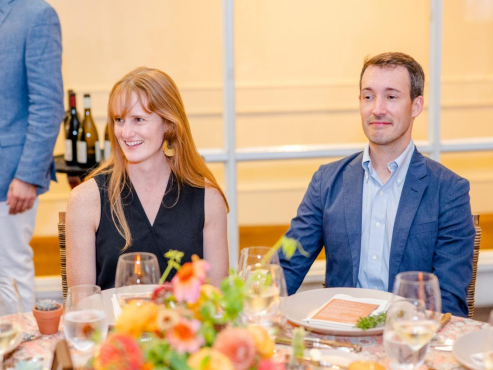
Deciding who receives a plus-one can be complicated, but wedding etiquette provides helpful boundaries. Generally, anyone married, engaged, or in a long-term relationship should receive a plus-one. For other guests, especially those who may not know others attending, offering the option can make them feel more comfortable.
If space or cost is a factor, it’s perfectly acceptable to limit plus-ones. However, consistency is key. Avoid granting exceptions that might appear unfair.
A full-service wedding planning team can manage invitation details, ensuring that your guest list remains balanced, inclusive, and aligned with your event’s flow.
4. RSVP Etiquette: Clear Deadlines and Communication
RSVPs can quickly become one of the most stressful aspects of wedding coordination, but clear communication minimizes complications.
Set an RSVP deadline at least four to six weeks before your celebration. This allows your wedding planners ample time to finalize seating charts, meal selections, and vendor confirmations.
If guests haven’t responded by the deadline, a polite reminder, either via email or text, is entirely appropriate. It’s better to follow up than to make last-minute assumptions.
Include RSVP details that are simple and easy to access. Many modern couples use digital RSVP systems connected to their wedding website. These are convenient and environmentally friendly, but should still maintain a formal tone.
5. Wedding Websites: Informative, Not Overwhelming
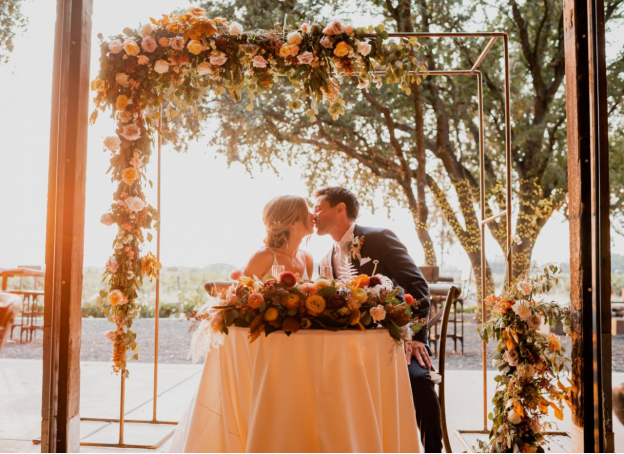
Wedding websites have become a standard part of modern wedding etiquette. They provide guests with helpful details such as venue addresses, attire suggestions, travel information, and accommodation options.
However, keep your tone professional and avoid overloading the site with unnecessary details or overly personal stories. A Miami wedding planning service can guide you in creating a cohesive online presentation that aligns with your event’s tone and aesthetic.
If you’re hosting multiple events, such as a rehearsal dinner or post-wedding brunch, include separate sections for each to prevent confusion. Also, provide clear directions and timing to ensure smooth transitions throughout your celebration weekend.
6. Social Media Boundaries: Modern Manners in the Digital Age
Wedding etiquette extends to how guests interact online.
Establishing social media boundaries helps protect the intimacy of your celebration and maintains an air of sophistication.
You might choose to host an unplugged ceremony, requesting guests to refrain from taking photos or videos during the ceremony itself. This allows everyone to stay present and ensures your professional photographer captures every important moment without distraction.
If you prefer guests to share images from the reception, create a simple, branded hashtag to make it easy for everyone to follow along. Communicate your preferences through signage or a brief note on your wedding website.
Wedding planners often recommend assigning a point person to monitor social media throughout the event, ensuring your wishes are respected while keeping everything running smoothly.
7. Attire Guidance: Be Specific and Considerate
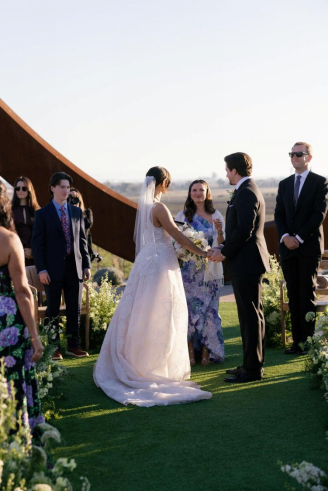
Ambiguity around dress codes can lead to confusion, so clarity is essential. When setting attire expectations, use recognizable terms such as “Black Tie,” “Formal,” or “Cocktail Attire.”
You can add a brief note on your wedding website describing what each category means if you believe your guests might be unsure. This helps everyone arrive appropriately dressed and aligned with the event’s tone.
Avoid overly restrictive dress requests unless necessary for a specific reason (such as religious guidelines or venue regulations). Modern wedding etiquette emphasizes consideration—your guests should feel informed, not pressured.
8. Ceremony Manners: Respect and Inclusion
A thoughtfully organized ceremony reflects respect for both tradition and guests’ comfort.
Begin with clear seating guidance. Ushers or signage should indicate where family members, friends, and colleagues should sit. Guests appreciate direction, especially in large or unfamiliar venues.
If your ceremony includes cultural or religious traditions, consider adding a brief explanation in the program. This fosters understanding and inclusivity among guests unfamiliar with certain rituals.
Lastly, start on time. While a few minutes’ delay is understandable, keeping guests waiting for long periods reflects poorly on organization. A full-service wedding planning team can manage timing seamlessly, ensuring transitions flow effortlessly.
9. Reception Etiquette: Polished Hosting and Flow
Once the formalities conclude, attention turns to hospitality. Reception etiquette revolves around gracious hosting, ensuring guests feel comfortable and appreciated throughout the evening.
Coordinate a smooth transition between cocktail hour, dinner, and dancing. Guests should always know where to go next. Working with experienced wedding planners ensures each phase feels natural, not rushed.
During dinner, ensure seating arrangements foster conversation. Avoid isolating guests who may not know others. If you’re having a plated meal, consider dietary restrictions in advance. This shows respect and attentiveness to guests’ needs.
10. Toasts and Speeches: Keep It Brief and Thoughtful
Toasts are among the most memorable moments of any wedding celebration, but they must be handled thoughtfully.
Traditionally, the host (often a parent) begins the toasts, followed by the couple and their chosen speakers. Modern etiquette allows for flexibility, but organization remains essential.
Encourage speakers to keep remarks concise, ideally under five minutes, and focused on positive, meaningful reflections.
Your Miami wedding planning service can coordinate timing and microphone logistics, ensuring each speech feels seamless and respectful of the evening’s flow.
11. Seating Arrangements: Comfort and Strategy
Thoughtful seating arrangements are a hallmark of strong hosting. Whether you’re having a small dinner or a large reception, strategic placement helps foster engaging conversation and comfort.
Mixing friend groups or placing outgoing guests near quieter ones can encourage a balanced atmosphere. Avoid seating individuals who may not get along or who share unresolved personal conflicts.
Provide a clear seating chart or place cards at the entrance to the dining area to minimize confusion. When managed well, guests will naturally feel connected and welcome.
12. Children at Weddings: Communicate Clearly
The question of whether to invite children is entirely personal. What matters most is clarity.
If you decide to host an adults-only event, communicate this respectfully on your invitation and wedding website. Phrases such as “We kindly request an adults-only celebration” work well.
If children are included, ensure there are thoughtful accommodations, such as kid-friendly meals or entertainment options, to keep them comfortable and engaged.
Modern wedding etiquette emphasizes clear communication, ensuring no one feels surprised or excluded at the last minute.
13. Handling Gifts and Registries: Grace and Discretion
Registries are a helpful guide for guests, but how you present them matters.
As mentioned earlier, avoid including registry links directly on invitations. Instead, feature them on your wedding website, where guests can easily find and choose items at their convenience.
If guests choose to give cash or a non-registry gift, receive it with equal gratitude. Never make assumptions about what guests should give; generosity should always be met with appreciation.
A professional Miami wedding planning service can help organize your gift logistics and ensure items are stored and transported safely after your event.
14. Social Dynamics: Navigating Family and Friends
Family dynamics often require delicate handling during the wedding planning process. Open communication and sensitivity go a long way toward maintaining harmony.
When divorced parents, stepparents, or blended families are involved, clarity around seating arrangements and introductions prevents discomfort. A full-service wedding planning team can mediate and organize these details tactfully, ensuring every family member feels valued.
For friends and guests, balance is equally important. Make time to greet as many people as possible during the reception. A brief, genuine exchange often leaves a lasting impression.
15. Timing and Transitions: Keeping the Celebration Flowing
Timing defines the rhythm of a well-executed celebration. Each transition, from ceremony to cocktail hour to reception, should feel intentional and effortless.
Ensure guests aren’t left waiting between activities without clear direction. If photographs take time after the ceremony, provide refreshments or light entertainment to keep guests comfortable.
Your wedding planners can orchestrate these transitions seamlessly, coordinating with creative partners and managing timing so that you can remain fully present.
16. Managing Unexpected Situations Gracefully
Even the most well-planned weddings may encounter minor challenges—unexpected weather changes, last-minute cancellations, or technical issues. The hallmark of modern wedding etiquette is composure.
When unforeseen issues arise, stay calm and trust your full-service wedding planning team to handle logistics discreetly. Experienced wedding planners are adept at resolving complications while maintaining your event’s poise.
Remember, guests take their cues from you. If you remain composed, your celebration will continue to feel effortless and enjoyable, no matter what happens behind the scenes.
17. Post-Wedding Etiquette: Thank-You Notes and Follow-Ups
Gratitude is an essential part of wedding etiquette. Send handwritten thank-you notes within three months of your celebration.
Personalize each message to acknowledge the guest’s specific gift and presence. Avoid pre-printed templates; sincerity leaves a lasting impression.
If you hosted a destination celebration, consider sending follow-up emails with photographs or a short message of appreciation. Small gestures of acknowledgment reinforce the gracious tone you’ve maintained throughout your wedding planning journey.
18. Destination Weddings: Etiquette for Guests and Hosts
Destination celebrations, particularly in places like Miami, require additional consideration. Guests often invest time and resources to attend, so providing ample information and thoughtful assistance demonstrates true hospitality.
Offer travel details, transportation options, and accommodation recommendations well in advance. Upon arrival, a small welcome package with local treats or essentials is a thoughtful touch.
A Miami wedding planning service can manage these logistics with precision, ensuring guests feel cared for from arrival to departure.
Remember, while the experience is memorable for you, it should also feel seamless and enjoyable for everyone attending.
19. Honoring Traditions While Embracing Modernity
Contemporary weddings often balance respect for tradition with individuality. When blending cultural, religious, or family customs, communicate openly with those involved.
If certain traditions hold deep meaning for one partner’s family, consider how to incorporate them respectfully. Conversely, it’s also acceptable to adapt or omit customs that no longer resonate with your values.
Your wedding planners can help design a celebration that honors heritage while feeling distinctly modern, reflecting who you are today as a couple.
20. The Role of Professional Wedding Planning in Upholding Etiquette
One of the most valuable aspects of working with a full-service wedding planning team is the assurance that every detail aligns with proper etiquette. From managing RSVPs to timing cues and hospitality standards, professional wedding planners bring structure, discretion, and finesse.
They also act as a buffer, allowing you to focus on your experience while they coordinate creative partners, manage communications, and ensure every moment unfolds seamlessly.
A wedding planning service that serves Miami, like Emily Coyne Events, provides this level of attentiveness, ensuring your celebration reflects precision, warmth, and understated sophistication.
Final Thoughts: The Essence of Modern Wedding Etiquette
Modern wedding etiquette isn’t about rigid formality—it’s about creating an environment of respect, clarity, and consideration. It ensures that your celebration flows with intention, where every guest feels welcomed, every moment feels effortless, and every detail contributes to a sense of harmony.
The etiquette rules may evolve, but their purpose remains timeless: to help you host with grace and gratitude.
For couples seeking an impeccably organized and polished celebration, Emily Coyne Events offers exceptional wedding planning services designed to uphold the highest standards of sophistication and service.
From invitations to thank-you notes, our team ensures every aspect of your event reflects refined coordination and genuine hospitality.
To learn how Emily Coyne Events can help you plan your flawless celebration, explore our full-service wedding planning options, or connect with our expert wedding planners that serve Miami today.