In contemporary wedding styling, accessories are no longer considered small additions to an ensemble. They now function as integral components that complete and define a look. As bridal accessory trends 2026 continue to evolve, brides are embracing accessories that communicate individuality, craftsmanship, and intentional design.
For couples working with a Miami wedding planning service, Austin wedding planners, international wedding planners, or a high-profile wedding planner, every accessory choice, whether a statement veil, heirloom jewelry, gloves, or embellished shoes, becomes an essential part of the overall aesthetic strategy.
A full-service wedding planning approach ensures that these accessories are not chosen in isolation but thoughtfully integrated into the overall design plan.
The following sections explore the leading accessory trends shaping 2026 bridal fashion, along with guidance for planning professionals who wish to bring these elements to life with refinement and precision.
1. Statement Veils and Modern Headpieces
The Shift in Perspective
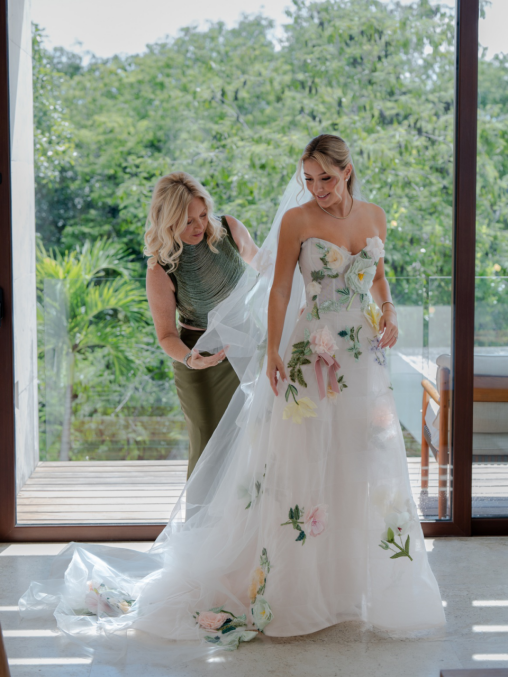
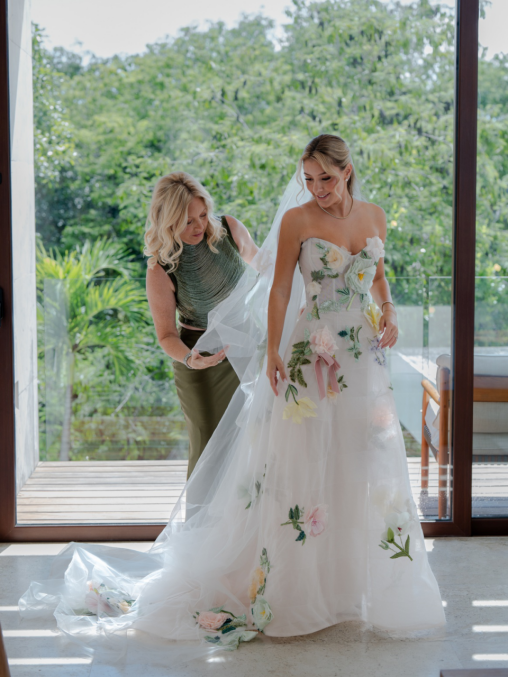
In recent seasons, veils have moved from traditional symbols of ceremony to expressions of artistry. Instead of serving as simple accents, they anchor the silhouette and frame the bride’s movement. A veil can redefine proportion, highlight craftsmanship, and transform the visual rhythm of the ceremony.
This evolution aligns with what many high-end wedding planners emphasize: the importance of coherence between the gown, the accessories, and the broader design environment. The veil, in this view, is both fashion and architecture.
Defining Trends for 2026
- Architectural silhouettes: Structured veils featuring layered tulle, sharp lines, or scalloped edges are gaining prominence. Brides are drawn to pieces that frame their features without overshadowing the gown.
- Hooded veils: A subtle shift from the traditional drape, hooded veils bring a contemporary, almost sculptural quality.
- Veils with embroidery or texture: Fine stitching, beading, or appliqué work elevates what once was a simple piece of tulle into a conversation piece.
- Convertible veils: Brides increasingly seek versatility. Detachable or transformable veils allow a ceremony look that can evolve seamlessly into the reception.
Professional Considerations
Wedding planners, especially those offering full-service wedding planning, should integrate veil decisions early in the process. Veils often require custom fabrication timelines, and coordination with gown fittings is essential. Additionally, planners must consider photography—veils behave differently in natural light, and their transparency and movement affect how images are composed.
A Miami wedding planning service might also account for outdoor conditions like coastal humidity or wind when choosing materials and veil lengths. Austin wedding planners managing events in diverse climates may prioritize lightweight, breathable fabrics that maintain structure without weighing the bride down.
2. Gloves and Hand-Accentuating Details
The Return of Elegance
Gloves are re-emerging as key components of bridal fashion. Once considered traditional, they have become symbols of quiet sophistication. Whether sheer, lace, or satin, gloves add polish and distinction to bridal attire.
Brides today are not interested in nostalgia; they want reinterpretation. Gloves now serve as subtle design tools—expressions of formality balanced with comfort and versatility.
Defining Trends for 2026
- Opera-length gloves: Long, graceful gloves complement sleeveless or off-shoulder gowns, elongating the arm and enhancing posture.
- Tulle and lace gloves: Delicate transparency keeps the look light while introducing tactile contrast.
- Pearl-embellished or beaded gloves: Intricate detailing transforms gloves into jewelry for the hands, making them an extension of other accessories.
- Convertible options: Brides may prefer gloves that can be detached or re-styled mid-event, adapting their attire from ceremony to reception.
Professional Considerations
When advising clients, wedding planners should ensure gloves are measured correctly and tested for comfort. For events involving dining or toasts, gloves may need to be removed temporarily. Full-service wedding planning teams often coordinate storage solutions so that gloves remain pristine throughout transitions.
Additionally, consider the interaction between gloves and jewelry—particularly rings or bracelets.
A high-profile wedding planner should ensure that accessories align seamlessly so no element feels visually disconnected.
3. Heirloom and Reimagined Jewelry
Personal Narratives in Adornment
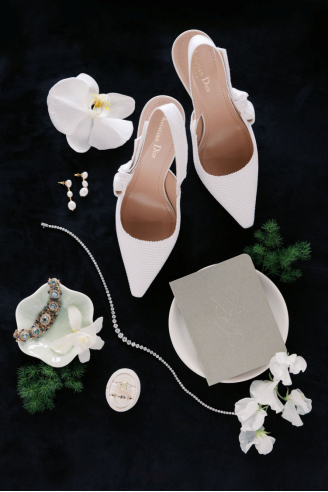
Jewelry in 2026 celebrates individuality, sentiment, and craftsmanship. Brides are turning toward pieces with emotional value, whether inherited or custom-designed. The emphasis is on meaning and continuity rather than trend-driven excess.
This perspective fits within the ethos of luxury wedding design: every item must have intent. For planners overseeing multi-day or international events, jewelry choices can also influence cultural expression and personal storytelling.
Defining Trends for 2026
- Pearls with personality: Irregular, baroque pearls and unexpected placements are redefining how pearls are worn.
- Mixed metals: Gold, platinum, and silver combinations bring depth and dimension to modern bridal jewelry.
- Vintage revival: Filigree patterns and Art Deco inspiration are being modernized through clean lines and contemporary craftsmanship.
- Heirloom redesigns: Family pieces are being reinterpreted to suit current aesthetics, blending generational sentiment with present-day relevance.
Professional Considerations
Jewelry must align with neckline, sleeve design, and hair styling. It should never compete with these elements but complement them. A Miami wedding planning service may coordinate with jewelers early to ensure fabrication and delivery align with the dress schedule.
Insurance, valuation, and safekeeping are also vital. Full-service wedding planning includes ensuring heirloom pieces are properly documented, cleaned, and transported securely. These details reflect professionalism and prevent last-minute complications.
Finally, consider how lighting influences metallic tones and gemstone brilliance. Austin wedding planners managing outdoor or evening ceremonies should factor in lighting plans that enhance rather than dull the jewelry’s visual presence.
4. Embellished and Decorative Bridal Shoes
The Rise of Statement Footwear
Footwear now holds a greater role in bridal styling than ever before. Brides recognize that their shoes will feature prominently in photos, during the walk down the aisle, and at the reception. The shoes serve not only as fashion statements but as practical design solutions for mobility, comfort, and continuity.
Defining Trends for 2026
- Material experimentation: Satin remains popular, but velvet, silk, and metallic leather are gaining traction for their depth and durability.
- Embellishments: Crystal accents, pearls, beaded lace overlays, or laser-cut patterns enhance visual interest.
- Subtle personalization: Some brides incorporate initials, meaningful dates, or motifs on the soles—details seen only upon close inspection.
- Comfort-focused design: Cushioned insoles, block heels, or adjustable straps combine visual refinement with wearability.
Professional Considerations
Shoe height affects gown hemline and posture. Full-service wedding planning teams should schedule final dress fittings with the chosen footwear to avoid hemline inconsistencies.
For outdoor venues, heel protectors or wedge alternatives might be necessary. A Miami wedding planning service may advise on shoes suitable for sandy or oceanfront ceremonies, while Austin wedding planners might prioritize breathable materials for warm-weather receptions.
Encouraging brides to have a secondary pair of shoes, either flats or low heels, for later portions of the event helps maintain comfort without compromising style.
These adjustments demonstrate foresight and professionalism in planning execution.
5. Hairpieces and Head Details
Functional Design Meets Aesthetic Purpose
Hair accessories hold the power to unify a bridal look. Whether it’s a minimalist comb or a sculptural headband, these pieces frame the face and bring balance to the overall silhouette.
For planners managing international weddings, hairpieces also help ensure continuity across multiple events or cultural attire changes.
Defining Trends for 2026
- Sculptural combs and bun covers: Clean, architectural shapes that secure the hairstyle while contributing to visual balance.
- Decorative pins and clips: Bold placements replace understated accents, creating intentional asymmetry.
- Metallic and pearl combinations: Repetition of jewelry materials ensures harmony across accessories.
- Convertible designs: Hairpieces that can transition seamlessly from ceremony to reception allow a cohesive yet adaptable look.
Professional Considerations
Hairpieces should be tested during the hairstyle trial, particularly in relation to veils and microphones. A high-end wedding planner ensures that coordination between the hair stylist and wedding planning team is seamless.
Environmental conditions—wind, humidity, or outdoor elements—should influence the choice of fastening methods. Miami wedding planning services dealing with coastal settings must prepare for potential shifts in weather and movement.
The planner’s attention to such micro-details ensures that accessories stay secure, functional, and visually aligned with the event design.
6. Beyond the Core: Supporting Accessories
While veils, gloves, jewelry, shoes, and hairpieces remain focal points, additional accessories can reinforce refinement and functionality.
Handbags and Clutches
Compact bridal handbags are gaining recognition for their practicality. Brides are opting for structured clutches with metallic finishes, pearl embellishments, or minimalist shapes. These pieces serve as subtle design continuations and often carry essentials like touch-up cosmetics or keepsakes.
Belts and Waist Details
Modern gowns sometimes benefit from belts or sashes that define the waistline or introduce visual separation. Thin metallic or crystal-accented belts offer proportion without distraction.
Capes and Shoulder Details
As bridal design evolves, capes and removable overlays are becoming alternatives to veils. These pieces bring sophistication and drama while allowing comfort and flexibility.
Earrings and Ear Cuffs
Brides increasingly prefer earrings that frame the face or add movement. From cascading drops to architectural ear cuffs, jewelry near the face remains one of the most photographed elements—particularly in portrait sessions.
Full-service wedding planning professionals should help coordinate how each of these accessories interacts with lighting, posture, and photography composition.
7. Integrating Accessories into the Wedding Planning Process
Timing and Strategy
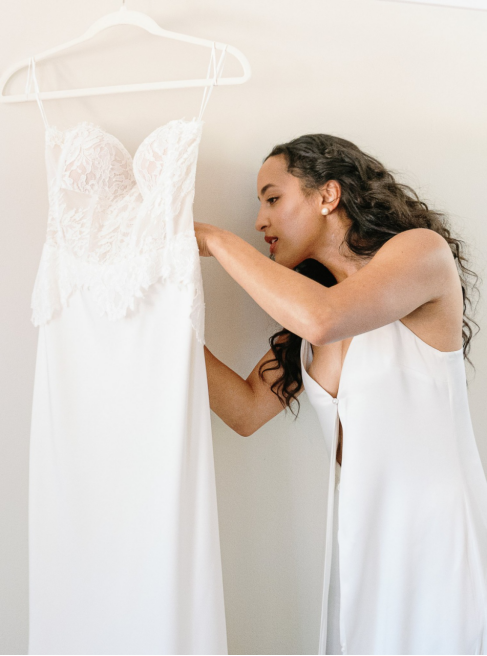
Accessories deserve the same attention as gowns or venues. Discuss them at the earliest design meetings to align with the gown, hair, makeup, and event setting. High-profile wedding planners recognize that accessory strategy influences the entire visual composition of the event.
Accessories often have long production or delivery timelines, especially custom pieces. By introducing these discussions early, the wedding planning team ensures there’s time for sourcing, fitting, and contingency arrangements.
Collaboration Across Teams
The most cohesive results emerge when Miami wedding planning service professionals or Austin wedding planners collaborate closely with stylists, jewelers, and photographers. Accessories affect posing, lighting, and comfort, so coordination among creative partners ensures consistency.
Logistical Considerations
Accessories require dedicated transport and safekeeping, especially for destination events. International wedding planners handle customs declarations, climate control, and local storage facilities to protect delicate materials.
A comprehensive accessory checklist should include packaging instructions, emergency repair kits, and cleaning materials. Attention to such details reinforces the professionalism that defines luxury wedding execution.
8. Photography, Lighting, and Presentation
Accessories must photograph well. The interplay of fabric, metal, and gemstones responds differently under various lighting conditions. Full-service wedding planning teams should schedule test photos during fittings to ensure reflective surfaces appear balanced and natural.
Lighting designers and photographers should be briefed on key accessory highlights, such as an embroidered veil or intricate headpiece. Positioning during portraits can enhance these details.
In both Miami’s natural light and Austin’s golden-hour backdrops, the right accessory placement can turn a simple pose into a memorable image.
9. Sustainable and Ethical Considerations
As sustainability continues to influence bridal accessory trends 2026, ethical production and material sourcing are increasingly important to couples.
Brides now seek suppliers who prioritize responsible practices: recycled metals, lab-grown stones, ethically sourced pearls, and biodegradable fabrics. High-end wedding planners are taking note, ensuring that accessories align not only with visual standards but with ethical expectations.
A Miami wedding planning service or international wedding planners managing global sourcing must verify supply-chain transparency. Doing so reinforces credibility while supporting clients who value responsible craftsmanship.
10. The Role of the Planner in Defining Accessory Cohesion
Every accessory decision carries logistical and aesthetic implications. A full-service wedding planning team ensures cohesion across every touchpoint: the gown, ceremony design, floral palette, and reception décor.
Coordination Essentials
- Scheduling: Align fitting dates and delivery windows with other milestones.
- Communication: Keep all creative partners—stylists, designers, photographers—informed of accessory selections.
- Documentation: Maintain an inventory of items, including serial numbers or appraisals for insurance coverage.
- Transition Management: Plan when and how accessories are changed, stored, or reintroduced throughout the event.
By taking this structured approach, planners enable their clients to experience a seamless, curated process while maintaining the highest standards of execution.
Bridal accessories are no longer minor embellishments; they are design statements that frame a bride’s entire aesthetic. From the precision of a sculptural veil to the modern edge of mixed-metal jewelry, these elements express both individuality and cohesion.
For those going over bridal accessory trends 2026, the message is clear: accessories should not merely adorn—they should align, integrate, and elevate. Their selection requires foresight, technical understanding, and collaboration between all creative partners.
Whether you’re working with Austin wedding planners, international wedding planners, a Miami wedding planning service, or a high-profile wedding planner, the path to a truly cohesive bridal presentation begins with deliberate planning.
If your goal is to ensure every accessory is chosen with purpose and precision, Emily Coyne Events provides exceptional wedding planning services rooted in expertise, discretion, and refinement. Our full-service wedding planning approach guarantees each accessory—from heirloom jewelry to the final hairpiece—is curated to complement your vision seamlessly.
Contact Emily Coyne Events to begin crafting a wedding experience where every detail is intentional, every element is aligned, and every accessory completes the design with understated sophistication.