A bridal bouquet can do more than complete an outfit. It can define how you appear in photographs, set visual balance against architecture and attire, and communicate confidence through form, color, and proportion. When designed with intention, a bouquet becomes a focal element that carries through portraits, ceremony imagery, and editorial-style moments throughout the day.
This guide breaks down how to approach bridal bouquet ideas with clarity and purpose. You will learn how to select statement florals, build disciplined color palettes, and apply styling decisions that translate cleanly on camera. The focus is on precision and visual impact, not ornamentation for its own sake.
Understanding “Main Character Energy” in Floral Design
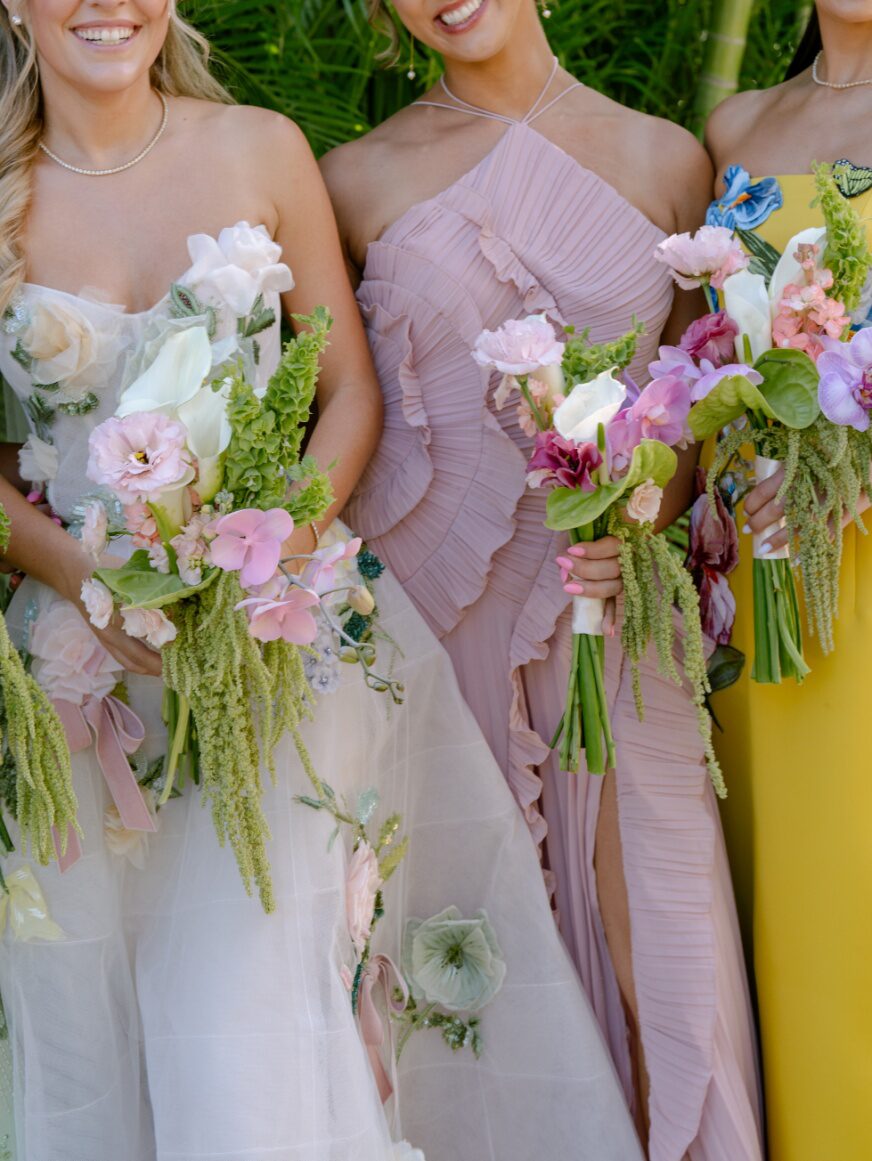
“Main character energy” refers to presence, not excess or theatrics. In floral design, presence is created through intentional choices around scale, structure, and visual balance. A bouquet that truly commands attention is not simply large or colorful; it is proportioned to the person carrying it and designed to complement the overall direction of the wedding aesthetic. When florals feel purposeful, they naturally draw the eye without overwhelming the scene.
This approach relies on clarity rather than abundance. A single sculptural bouquet with a defined shape and controlled color placement often delivers more impact than a dense arrangement lacking hierarchy. Strategic restraint allows key elements—such as texture, form, or a dominant hue—to stand out clearly in photographs and in person. Each stem has a role, and nothing feels accidental.
Experienced professionals understand this balance well.
When couples collaborate with wedding planners serving Minneapolis or work with a wedding consultant serving Nashville, the conversation often centers on cohesion.
Florals are evaluated alongside attire, venue architecture, lighting, and seasonality. The goal is to ensure the bouquet feels intentional within the broader design plan and maintains visual authority in every setting, from the ceremony space to close-up photography.
Starting With Proportion and Silhouette
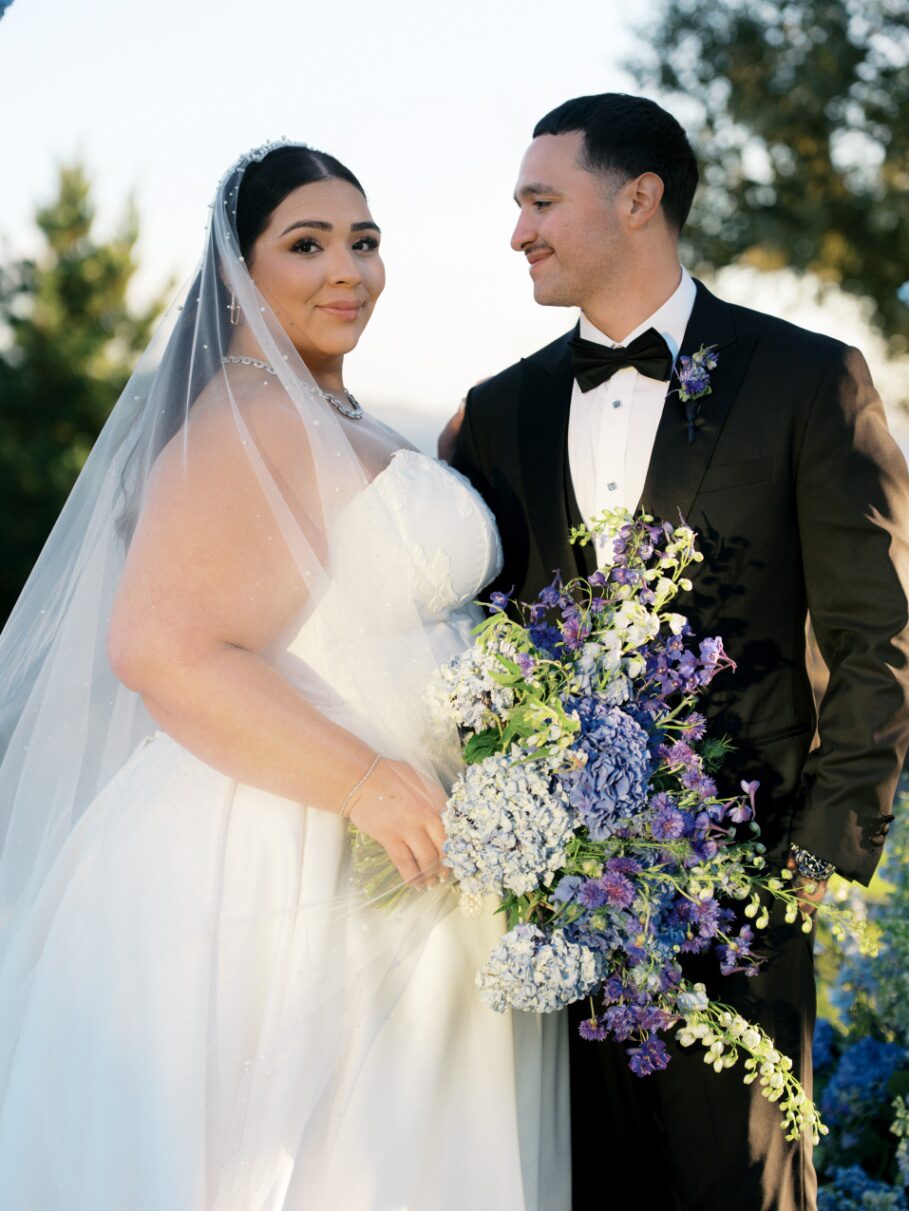
Before selecting flowers or color palettes, it is important to evaluate the silhouette. Bouquet shape directly affects how the arrangement appears in photographs, how it complements the wearer’s frame, and how it interacts with attire and surroundings. A well-chosen silhouette ensures the bouquet supports the overall visual composition rather than competing with it.
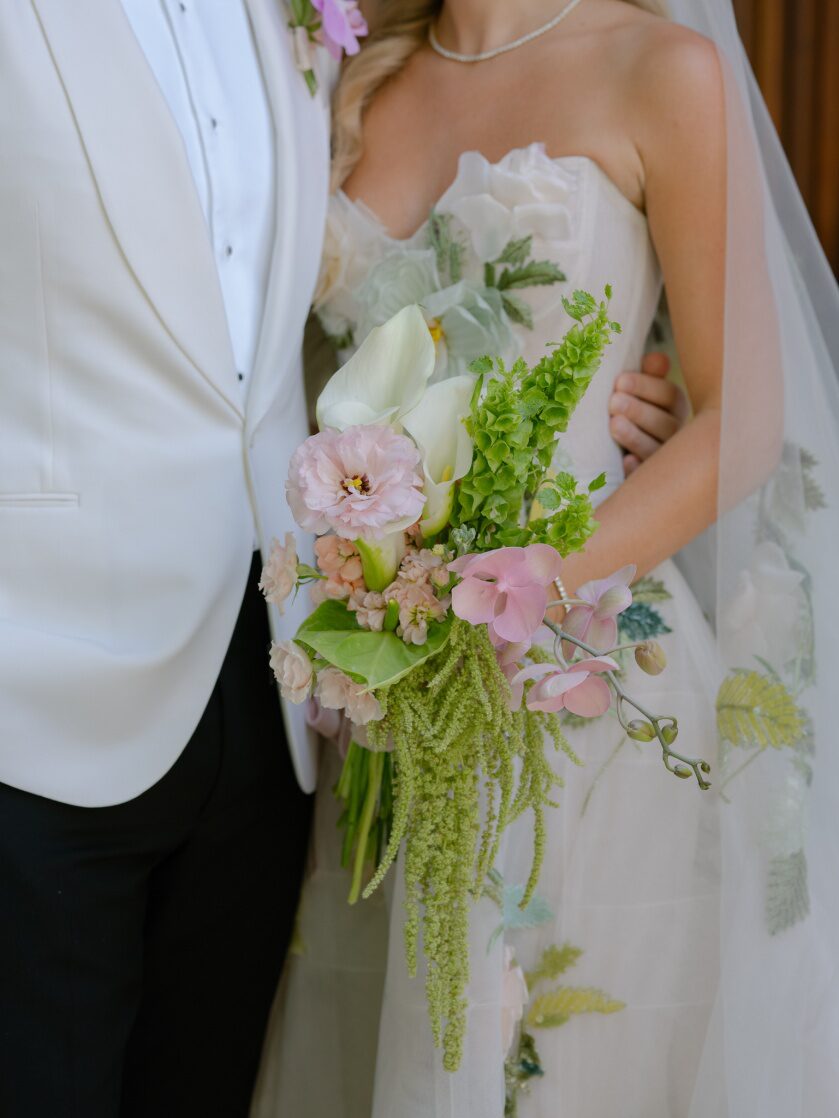
Round and compact silhouettes feel controlled and intentional. These designs pair well with tailored gowns, clean lines, and architectural venues where structure and balance are already present. Their symmetry translates clearly in close-up portraits and formal ceremony shots. Asymmetrical or sculptural silhouettes introduce movement and visual interest. They can soften structured garments, add dimension to minimalist styling, and create a more organic look without appearing unplanned. Elongated or cascading forms create vertical lines that photograph especially well in outdoor, coastal, or destination settings, helping guide the eye naturally through the frame.
Proportion plays an equally critical role. A smaller-framed individual may benefit from a bouquet that incorporates negative space rather than dense mass, preventing the arrangement from overpowering the wearer. Taller individuals often carry scale more comfortably, allowing for larger or more dramatic forms. Full-service wedding planners serving Los Cabos often factor in wind, lighting conditions, and open-air environments when advising on bouquet silhouette, ensuring the design remains visually strong throughout the day.
Selecting Statement Florals With Purpose
Statement florals are not defined by rarity alone. They are defined by how clearly they read within the overall design. A statement flower should have visual authority without overwhelming the arrangement or distracting from the couple. The goal is clarity, not excess.
Choose flowers that maintain their structure throughout the day and photograph consistently under varied lighting conditions, from natural daylight to evening interiors. Florals with strong petal definition, balanced proportions, and distinct profiles tend to perform best in both close-up photography and wider venue shots. These characteristics help arrangements remain legible in different settings, whether viewed in person or through a camera lens.
When selecting statement flowers, it is important to be intentional:
- Prioritize durability and color stability so arrangements hold their shape and tone from ceremony to reception.
- Limit the number of focal varieties to avoid visual noise and competing shapes.
- Use secondary florals to provide support, texture, and depth rather than drawing attention away from the main elements.
A wedding planning service that serves NYC, like Emily Coyne Events, often guides couples toward focused floral selections that align with the scale of the venue and the overall design direction. This approach ensures the florals support the event’s visual framework rather than chasing trends that may not translate consistently across different spaces or photography styles.
Building a Controlled Color Palette
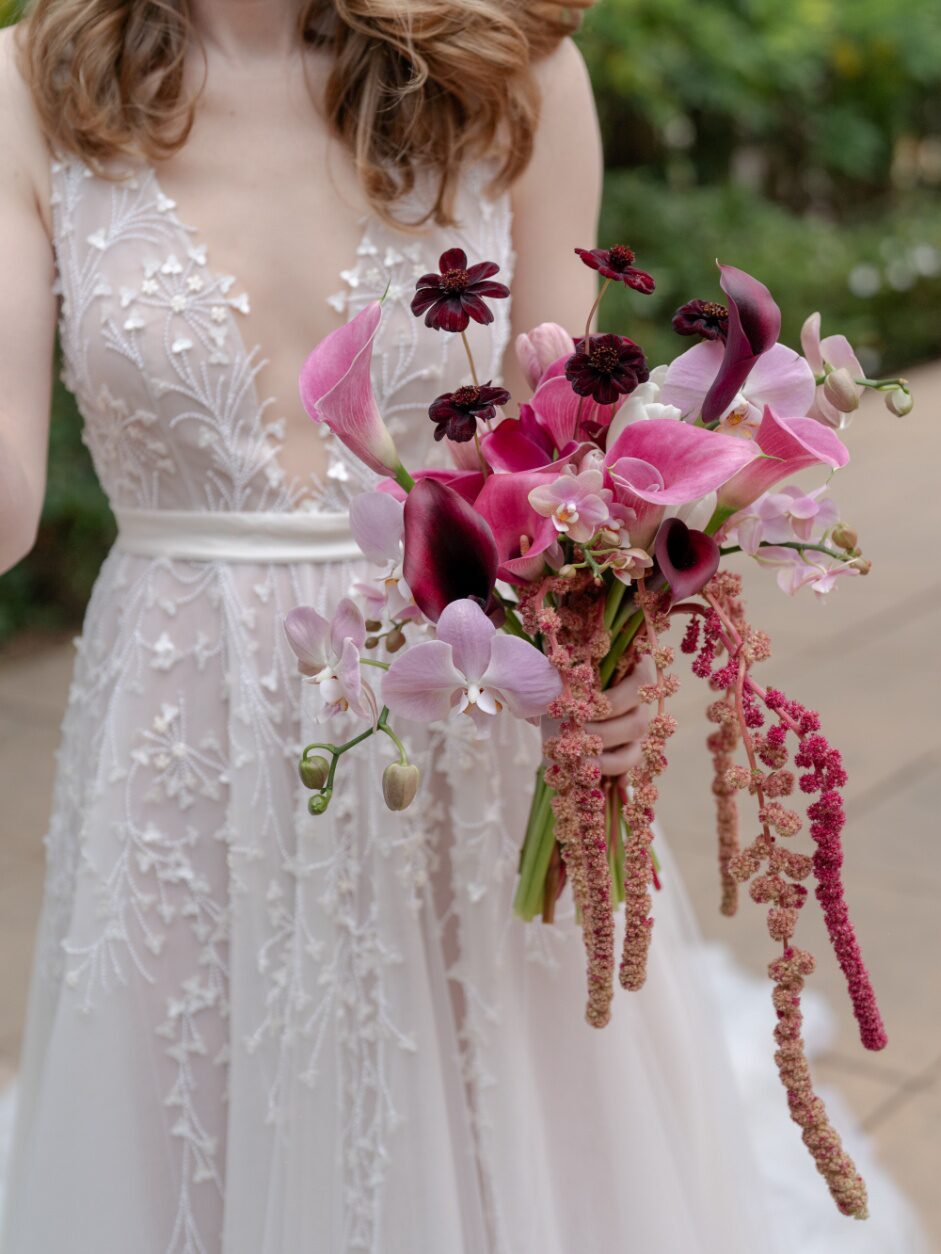
Color is one of the most powerful tools in bouquet design. A disciplined palette ensures the bouquet stands out without overpowering the overall visual composition.
Start with two to three core tones. Additional shades should act as connectors, not focal points. High-contrast palettes can be effective, but only when the contrast is intentional and balanced.
Consider the following when building your palette:
- How colors interact with attire and skin tones.
- How hues will appear in natural light versus indoor lighting.
- Whether the bouquet should contrast or complement the surrounding environment.
Professional wedding planners and consultants for weddings in Minneapolis often account for seasonal light variations when advising on color, ensuring that tones remain consistent across ceremony and reception photography.
Texture as a Design Tool, Not Decoration
Texture plays a critical role in bouquet design because it adds visual depth and structure without depending on color alone. Thoughtful texture choices help a bouquet photograph clearly, read well from a distance, and maintain interest across different lighting conditions. By combining matte and glossy finishes or pairing firm, architectural stems with softer, more fluid elements, designers can create arrangements that feel intentional rather than ornamental.
Effective texture combinations are carefully controlled. Structured florals paired with restrained foliage establish a strong foundation. A minimal use of unexpected materials—such as seed pods, berries, or dried accents—can introduce contrast without overwhelming the design. Repetition of similar textures throughout the bouquet also supports cohesion, ensuring the arrangement feels unified instead of scattered.
Restraint is essential. Overcrowding with too many textures can dilute the overall impact and make the bouquet appear visually noisy. Texture should clarify the design, not complicate it. A wedding consultant serving Nashville may recommend simplifying texture when venues already feature strong architectural details or natural surroundings. In these settings, a refined, well-edited bouquet remains legible in photographs and complements the environment rather than competing with it.
Considering the Setting Without Competing With It
A bouquet should hold presence against its surroundings, not mirror them too closely. If the setting is expansive or visually complex, the bouquet can benefit from stronger contrast or cleaner lines.
For destination events, particularly those supported by full-service wedding planning services that serve Los Cabos, environmental factors like sun intensity, wind, and landscape colors play a role in bouquet decisions. Florals that wash out in bright light or lose structure outdoors may underperform visually.
The goal is balance. The bouquet should be distinct enough to stand apart while still feeling connected to the overall setting.
Designing for Photography From the Start
Photography should influence bouquet design decisions from the earliest planning stages, not as a final styling detail. Bouquets are in constant motion throughout the day—during entrances, portraits, ceremony transitions, and candid moments—so their structure and color balance must perform well on camera from multiple angles.
Certain shapes, proportions, and color contrasts photograph more clearly than others, particularly in varied lighting conditions.
Key design considerations for photography include ensuring the bouquet has a defined front and back so it reads intentionally in posed and candid shots. Overly fragile elements that bruise or wilt quickly can lose their shape before photography is complete, especially during outdoor ceremonies or extended timelines.
Designers also focus on creating a strong silhouette that remains visually clear from a distance, allowing the bouquet to stand out without overpowering the overall look.
Texture and depth matter as much as color. Layered elements help prevent the bouquet from appearing flat in images, while intentional spacing allows individual flowers to remain distinct in close-up shots. Scale is also important—bouquets that are too small can disappear in wide frames, while oversized arrangements may distract from the subject.
Professional planners, including a wedding planning service that serves NYC like Emily Coyne Events, frequently collaborate with photographers and florists early in the process. This coordination ensures floral choices align with shot lists, lighting plans, and the overall visual narrative of the event.
Coordinating With Attire and Accessories
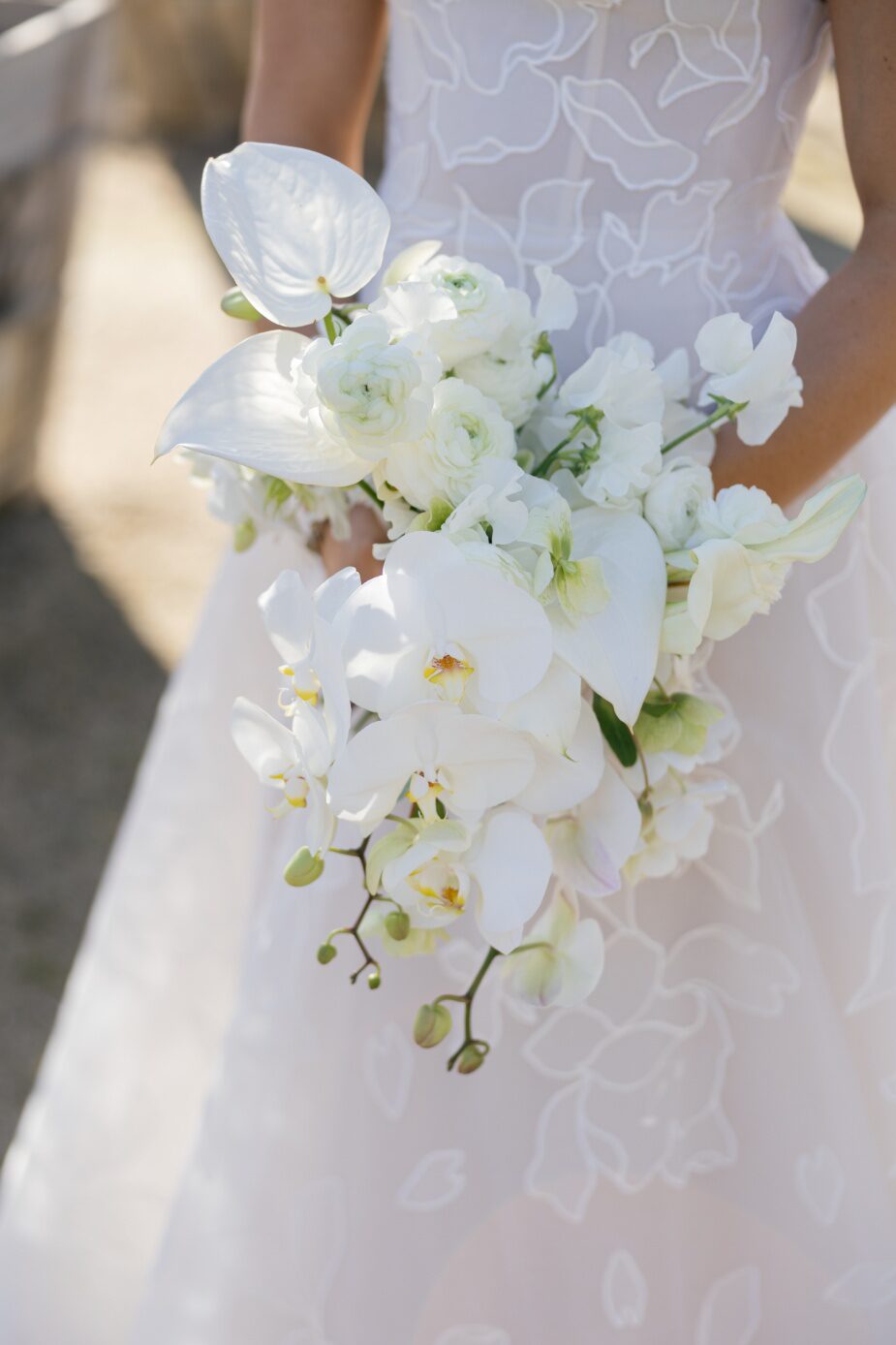
The bouquet should complement the attire without duplicating it. If the attire features texture or detailing, the bouquet can be cleaner. If attire is minimal, the bouquet can introduce more visual interest.
Accessories also matter. Metallic details, footwear, and jewelry can influence floral color choices. The objective is cohesion, not repetition.
Wedding planners and consultants for weddings in Minneapolis frequently advise clients to view the bouquet as part of a broader visual system that includes attire, accessories, and setting.
Seasonal Awareness Without Restriction
Seasonality can guide floral selection, but it should not limit design intent. Many florals are available year-round, and creative partners can source alternatives that maintain the desired look and performance.
Seasonal awareness is most useful when considering durability and color saturation. Florals that thrive in cooler climates may behave differently in warmer destinations.
Full-service wedding planning services that serve Los Cabos often account for seasonal weather patterns when finalizing floral selections, ensuring reliability throughout the event.
Avoiding Common Bouquet Design Pitfalls
Several issues can diminish the impact of an otherwise well-conceived bouquet:
- Overloading the arrangement with too many focal flowers.
- Using colors that blend too closely with attire.
- Ignoring how the bouquet will be held and carried.
Clear communication with your creative partners helps prevent these issues. A wedding consultant serving Nashville may recommend mock-ups or sample palettes to confirm direction before finalizing designs.
Personal Expression Through Structure, Not Excess
Personal expression does not require novelty. It requires alignment with your preferences and confidence in the choices made.
Your bouquet can reflect your perspective through:
- A distinctive silhouette.
- A controlled but expressive color palette.
- A deliberate approach to scale and texture.
When couples work with a wedding planning service that serves NYC like Emily Coyne Events, the emphasis is often on translating personal preferences into cohesive design decisions that feel intentional and composed.
Integrating the Bouquet Into the Broader Floral Plan
While this guide focuses on bridal bouquet ideas, the bouquet should still relate to other floral elements without matching them exactly. Repeating a single color or floral variety can create continuity without redundancy.
This approach allows the bouquet to remain the focal piece while other arrangements provide context. Wedding planners and consultants for weddings in Minneapolis often use this method to maintain visual clarity across large or multi-space events.
Longevity and Practical Considerations
A bouquet should maintain its structure from the ceremony through the reception. This requires attention to stem support, hydration methods, and flower selection.
Practical considerations include:
- Weight and comfort when carrying.
- How the bouquet will be stored between moments.
- Whether adjustments may be needed as the day progresses.
Full-service wedding planning services that serve Los Cabos typically plan for these logistics in advance, particularly for outdoor or destination settings.
Final Thoughts on Designing With Intention
A bridal bouquet designed with intention carries presence without excess. It complements attire, holds its own in photography, and reinforces the overall design direction of the wedding.
By focusing on proportion, color discipline, texture, and setting, couples can select bridal bouquet ideas that feel confident and composed. Collaboration with experienced professionals, whether a wedding consultant serving Nashville or a wedding planning service that serves NYC like Emily Coyne Events, supports these decisions with clarity and foresight.
If you value a design process rooted in precision, collaboration, and thoughtful execution, consider working with Emily Coyne Events.
Our team provides comprehensive wedding planning services, guiding couples through informed design decisions that prioritize clarity, presence, and cohesion from the first consultation through the final details. Connect with us today.